Well-X-Trol vs Flexcon vs Water Worker: Which Well Pressure Tank Brand Should You Buy?
This article may contain affiliate links, and we may earn a commission from purchases made through those links. For more information, please refer to our disclosure.
Ask ten well contractors which pressure tank brand they trust and you will hear three names over and over: Well-X-Trol, Flexcon and Water Worker. All three use a butyl diaphragm, all three are built for potable water, and all three will hold pressure in a typical home. The differences show up in warranty length, shell material, how the diaphragm is anchored and, above all, price.
We have spent more than a decade drilling boreholes and commissioning pump systems, and the pressure tank is the component we see blamed most often for problems it did not cause. This guide compares the three brands head to head so you can buy once and stop worrying about short cycling. If you want our full ranked list of individual tanks, see our best well pressure tanks guide.

Why Your Pressure Tank Brand Matters More Than You Think
Private wells are not a niche. The EPA estimates that more than 23 million US households rely on a private well, roughly 43 million people. That number has climbed sharply; an EPA research dataset found 15.1 million households relied on wells in 1990, an increase of over 50 percent since.

Every one of those homes depends on a pressure tank to protect the pump. The tank stores a cushion of water under air pressure so the pump does not start every time someone rinses a glass. When the diaphragm fails or the air charge leaks away, the pump starts and stops rapidly, which is called short cycling and is one of the fastest ways to burn out a motor.
That is why brand matters. A tank that loses its precharge in three years will cost you far more in pump wear than you saved at the register. If your pump is already acting up, our guide to the signs your well pump is going bad will help you tell a tank problem from a pump problem.
Meet the Three Brands
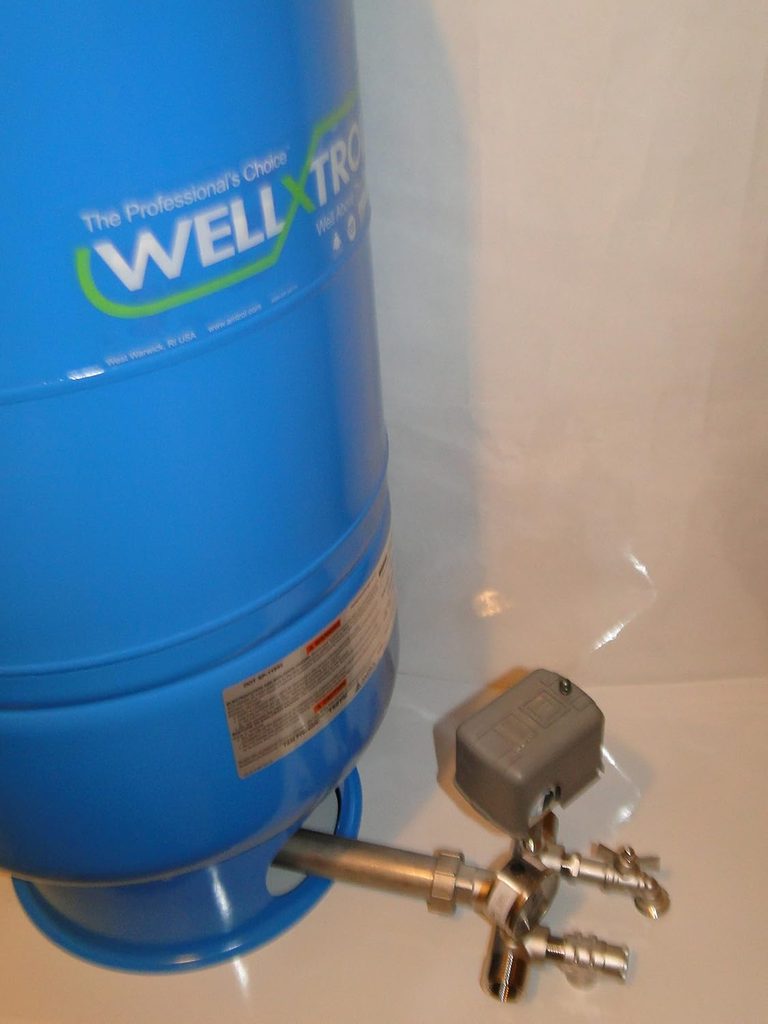
Amtrol Well-X-Trol: The Industry Benchmark
Amtrol invented the prepressurized well tank in 1963, and Well-X-Trol is still the name plumbers say when they mean “a well tank.” In 2010 the company launched its Next Generation line and extended the warranty to 7 years, which remains the longest standard warranty among these three brands.
The engineering detail that sets it apart is the positive hoop ring seal. A steel ring locks the diaphragm and polypropylene liner into a groove in the shell, so water never touches the steel. Amtrol also welds the air valve rather than threading it, which removes one of the most common slow air leak points.
Recent stand models carry a 150 PSI working pressure and a 200°F temperature rating, and every wetted part is listed to NSF/ANSI Standard 61 for drinking water. You can check current specs on the Amtrol website.
Flexcon: The Engineer’s Choice
Flexcon Industries, part of the Swan Group, builds both steel tanks (the Flex2Pro H2P series) and composite tanks (the Flex-Lite and Flex2Pro Lite series). Its signature feature is the CAD-2 Controlled Action Diaphragm, a 100% butyl upper diaphragm paired with a molded polypropylene lower water chamber.
Because the water chamber is independent of the tank walls, Flexcon can size the diaphragm properly for each model from 14 to 119 gallons. That means the diaphragm flexes rather than stretching or creasing, which is how most bag style bladders eventually fail. Every CAD-2 tank also gets a silver ion antimicrobial liner, and each unit is helium leak tested before it leaves the factory.
The composite models are the standout: their fiberglass and epoxy shell cannot rust, and Flexcon rates them about 35% lighter than a comparable steel tank. The tradeoff is a 120°F maximum temperature and a 125 PSI rating. Product sheets are available on the Flexcon website.
Water Worker: The Big Box Value Tank
Here is the fact most comparison articles miss: Water Worker is an Amtrol brand. It is the line you will find at home improvement stores and on Amazon at a noticeably lower price than Well-X-Trol, and it uses a seamless butyl diaphragm with a polypropylene liner that keeps water off the steel.
What you give up is the premium hardware. Water Worker carries a 5 year limited warranty instead of 7, and it does not advertise the hoop ring seal or welded air valve that define Well-X-Trol. For a homeowner doing a straightforward replacement on a modest system, that is often a perfectly reasonable trade.
Head to Head Specification Comparison
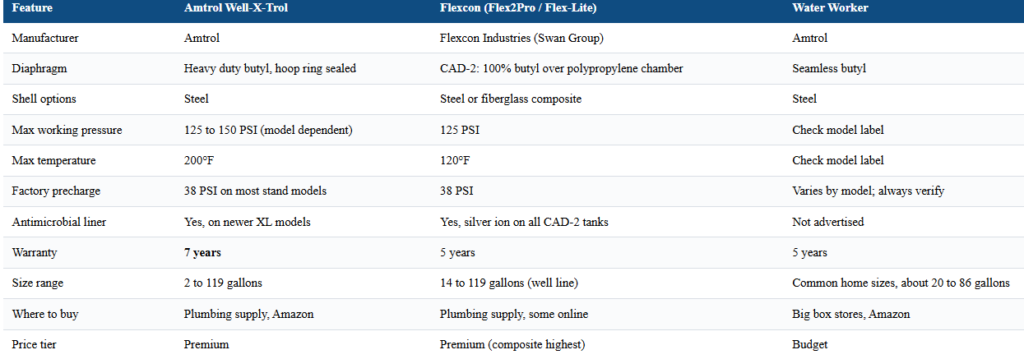
Warranty at a Glance

Drawdown: The Number That Actually Matters
The gallon figure printed on a pressure tank is total volume, not usable water. The real measure is drawdown, meaning how much water the tank delivers between the moment the pump shuts off and the moment it kicks back on. Most tanks deliver only about a quarter to a third of their listed size.
Flexcon publishes this clearly. Its 22 gallon Flex-Lite FL7 delivers 7.5 gallons of drawdown at a 30/50 PSI switch setting, about 34% of its total volume. By the same math, a 44 gallon steel tank on a 40/60 switch gives you roughly 11 gallons of usable water per cycle.
Rule of thumb: aim for at least one minute of pump run time per cycle. Multiply your pump’s flow rate in gallons per minute by one, and choose a tank whose drawdown meets or beats that number. A 10 GPM pump needs about 10 gallons of drawdown, which usually means a 32 to 44 gallon tank.
Brand has less effect on drawdown than size and switch setting do. Compare models within the same nominal size and the three brands land within a gallon or two of each other. If your tank keeps losing air, a kit like the one in our Flotec air volume control kit review is worth knowing about, though modern diaphragm tanks should not need one.
Build Quality and Longevity
All three brands keep water away from the steel shell, which is the single biggest reason modern diaphragm tanks outlast the old air over water galvanized tanks. The differences are in the details that decide whether a tank lasts 8 years or 20.
Diaphragm anchoring. Well-X-Trol’s mechanical hoop ring is the most proven design in the field, and owners routinely report tanks running past 20 years. Flexcon’s CAD-2 approach solves the same problem differently by keeping water inside a rigid polypropylene cup, so the diaphragm never has to stretch to the shell walls.
Corrosion. In a damp basement, a well pit or a coastal crawlspace, steel tanks eventually rust from the outside in. This is where Flexcon’s composite line wins outright, because there is nothing on the shell that can corrode. Flexcon also designs its tanks to reduce condensation, which slows external rust even on its steel models.
Air retention. A tank that slowly loses precharge will short cycle your pump long before the diaphragm ruptures. Well-X-Trol’s welded air valve is a real advantage here; threaded valves on cheaper tanks are a common slow leak point. Whatever brand you buy, check the air charge once a year with the tank empty.

Detailed Brand Breakdown
BEST OVERALL
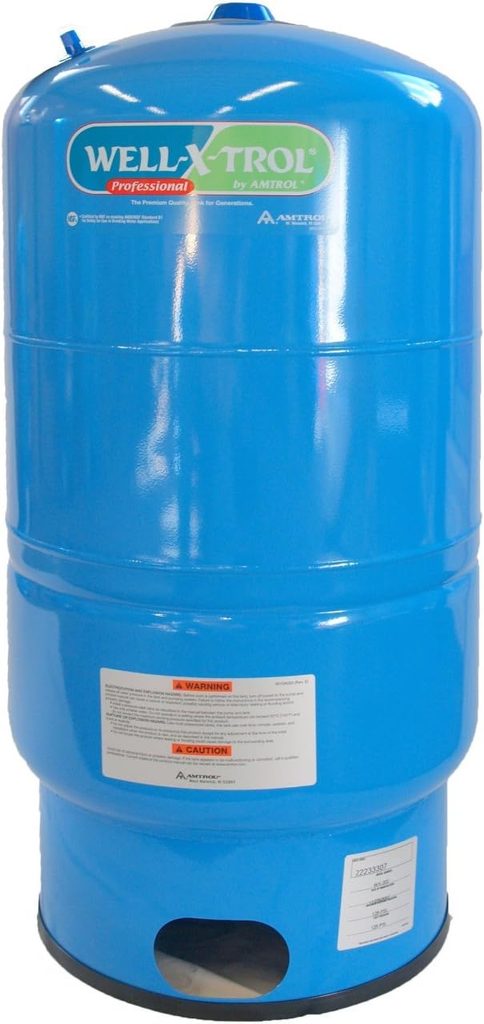
Amtrol Well-X-Trol (WX-202, WX-203, WX-250)
For most homes on a submersible or jet pump, Well-X-Trol is the safest buy. The 7 year warranty, hoop ring seal and welded air valve add up to a tank that installers trust with their own reputation. The WX-202 (20 gallons) suits smaller homes, the WX-203 (32 gallons) is the sweet spot for a family of four, and the WX-250 (44 gallons) pairs well with 10 GPM pumps.
Pros
- Longest warranty of the three
- Proven hoop ring diaphragm seal
- Up to 150 PSI and 200°F ratings
Cons
- Higher price than Water Worker
- Steel shell can rust in wet locations
BEST FOR CORROSIVE SITES
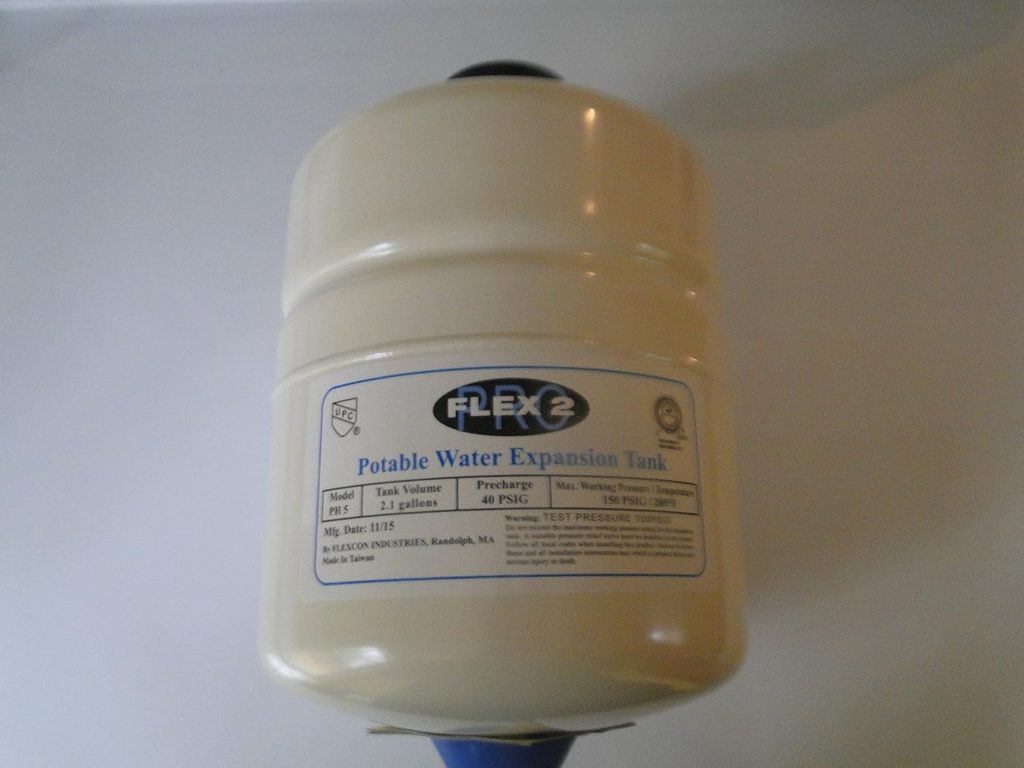
Flexcon Flex-Lite and Flex2Pro
Choose Flexcon when the environment is the enemy. The composite Flex-Lite models are ideal for well pits, coastal homes and outdoor installs, and their lighter weight makes a solo replacement far easier. The steel Flex2Pro H2P line adds a stainless steel water connection, which is a smart upgrade if your water is aggressive.
Pros
- Composite shell cannot rust
- About 35% lighter than steel
- Antimicrobial liner on every CAD-2 tank
Cons
- Composite models cost the most
- 120°F limit; not for hot locations
- Harder to find in big box stores
BEST BUDGET
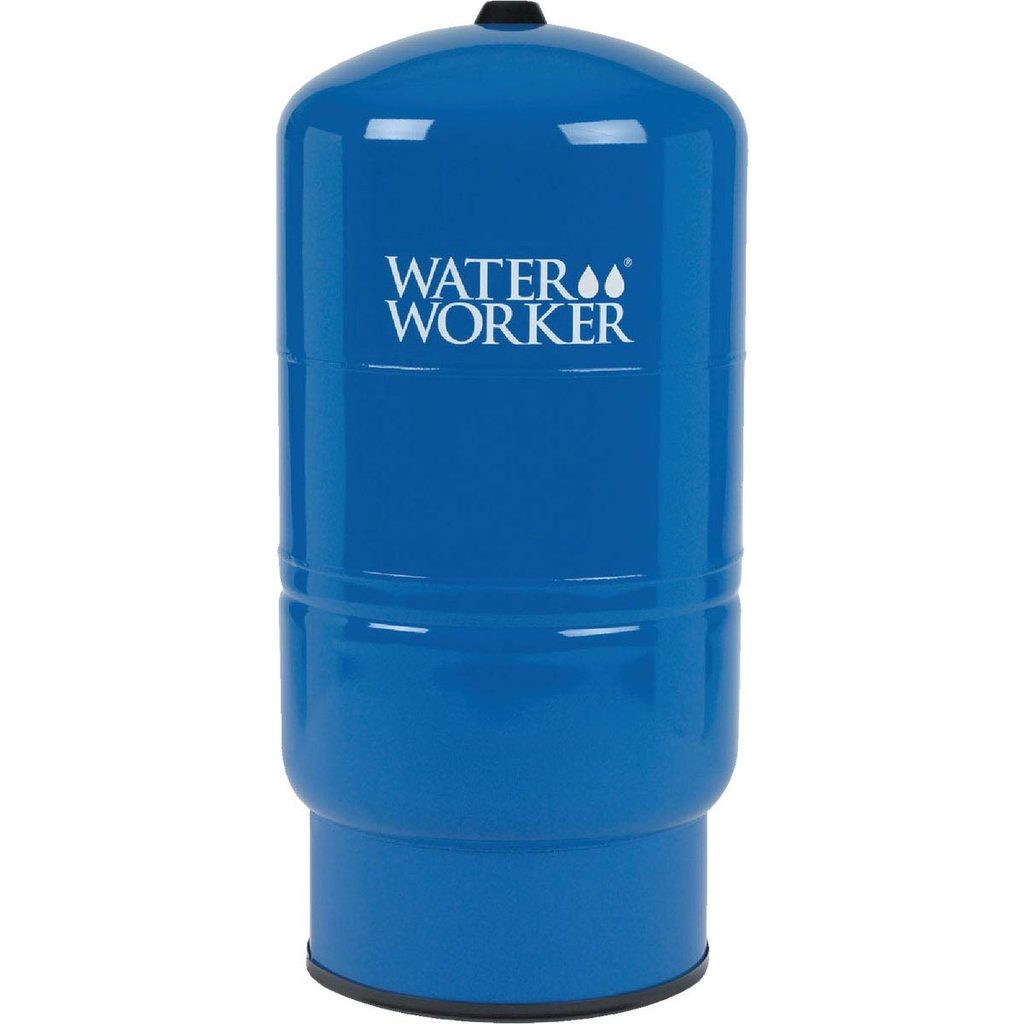
Water Worker (HT-20B, HT-32B, HT-86B)
Water Worker is the right call when budget matters and the install is simple. You get Amtrol manufacturing, a seamless butyl diaphragm and a polypropylene liner at a lower price, and you can usually pick one up the same day. The 32 gallon HT-32B covers most average homes; the 86 gallon HT-86B gives large households roughly 25 to 30 gallons of drawdown.
Pros
- Lowest price of the three
- Built by Amtrol
- Easy to buy locally
Cons
- Shorter 5 year warranty
- Lacks Well-X-Trol’s premium seal and valve
- Verify precharge before install
Which Brand Should You Buy?
Pick Well-X-Trol if you want the longest warranty, you plan to stay in the home for years, or a contractor is installing it. It is the default choice for good reason.
Pick Flexcon if the tank sits in a well pit, a damp crawlspace, an outdoor shed or within a few miles of salt air. The composite shell turns rust from a certainty into a nonissue, and the extra cost is small next to replacing a steel tank twice.
Pick Water Worker if you are replacing a failed tank on a tight budget, your system is a standard size, and the tank lives in a dry basement. Spend part of the savings on a pump protection device, which does more for system lifespan than the warranty difference.
One more option is worth knowing. If you are tired of pressure swings altogether, a constant pressure well pump system lets you run a much smaller tank, though you still need one.
Installation Tips That Apply to All Three
Set the precharge correctly before the tank ever sees water. With the tank empty and the pump off, adjust the air pressure to 2 PSI below your switch’s cut in pressure, so 28 PSI for a 30/50 switch and 38 PSI for 40/60.
Mount the tank on a level surface, install a union and shutoff valve so you can replace it later without cutting pipe, and keep it out of direct sun and freezing temperatures. Finally, protect the whole system during outages; our generator for well pump guide covers how to size backup power.
Frequently Asked Questions
Is Water Worker made by Amtrol?
Yes. Water Worker is an Amtrol brand sold mainly through home improvement stores and online retailers. It shares Amtrol’s butyl diaphragm and polypropylene liner approach but carries a 5 year warranty instead of Well-X-Trol’s 7.
Is Well-X-Trol better than Flexcon?
Neither is better in every case. Well-X-Trol offers a longer warranty and higher temperature rating, while Flexcon’s composite tanks cannot rust and suit damp or coastal locations better.
How long do well pressure tanks last?
Most quality diaphragm tanks last 10 to 15 years, and well maintained Well-X-Trol tanks often run past 20. Correct precharge, a properly sized tank and avoiding short cycling are the biggest factors.
Are composite pressure tanks better than steel?
Composite tanks win on corrosion resistance and weight, which makes them ideal for wet or outdoor installs. Steel tanks are cheaper, more widely available and tolerate higher temperatures.
What size pressure tank do I need?
Match drawdown to your pump flow so the pump runs at least one minute per cycle. A 10 GPM pump needs about 10 gallons of drawdown, which usually means a 32 to 44 gallon tank.
The Bottom Line
All three brands make reliable tanks, and any of them beats a no name import. Well-X-Trol is the best all rounder thanks to its 7 year warranty and proven hoop ring seal. Flexcon is the smart buy wherever moisture or salt air threatens a steel shell, and Water Worker delivers Amtrol quality at a budget price.
Whichever you choose, size it for drawdown, set the precharge right and check it once a year. Do that, and your pressure tank will quietly protect your pump for a decade or more.
About the Author. Victor Ateya is Project Manager at Bonvic Drilling Co. Ltd, a borehole and water infrastructure company. He has spent over a decade specifying pumps, sizing pressure tanks, and pulling failed equipment out of wells.
Test Your Water
Also Read On:
>>>Flotec FP217-810 Universal Pressure Tank Air Volume Control Kit
>>>Best Well Pressure Tanks 2026 (Reviewed by a Driller)
>>>Best Submersible Well Pumps for Deep Wells: 1/2 HP vs 1 HP vs 1.5 HP by Depth and GPM