How to Keep Your Well Pump and Pipes From Freezing This Winter
The first hard freeze of the year has a way of finding the weakest point in a well system. One morning the faucet coughs, the pump hums in the basement, and nothing comes out. If you want to keep your well pump from freezing, the good news is that the fixes are cheap, simple, and best done before the cold arrives.
I have spent more than a decade drilling and equipping wells, and most winter callouts trace back to the same handful of exposed parts. The pump itself, sitting deep in the casing, almost never freezes. What freezes is the plumbing between the well and your house, and the small parts that sense pressure.
This guide walks you through which parts are at risk, the temperature that should put you on alert, nine practical steps to protect your system, and what to do if something has already frozen.
This article contains affiliate links. If you buy through them, Boreholeflow may earn a small commission at no extra cost to you. Read our full disclosure.
Why Frozen Pipes Are a Bigger Deal on a Well
On city water, a frozen pipe is a plumbing problem. On a private well, it can also become a pump problem, because the pump may keep running against a blocked line or a dry pressure switch. That is how a $20 frozen fitting turns into a $2,000 pump replacement.

State Farm alone handled more than 20,000 freeze related water claims between January 2024 and June 2025, paying out over $628 million. Repairs to drywall, floors, and foundations often take weeks. Prevention costs a fraction of one deductible.
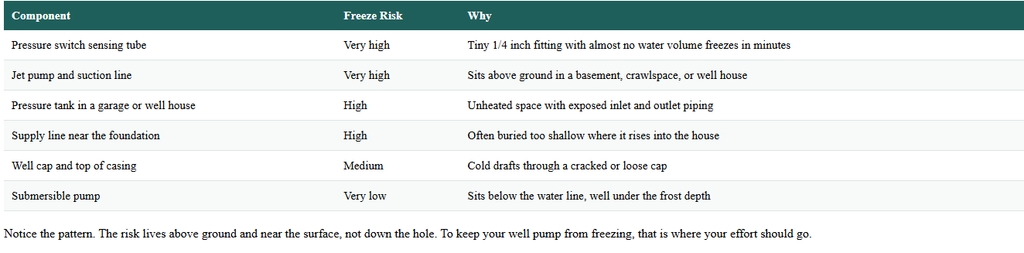
Which Parts of a Well System Freeze First
Water expands roughly 9 percent when it turns to ice. In a closed pipe that expansion has nowhere to go, so the pipe or fitting splits. These are the parts I check first on every winter service call.
Know Your Danger Temperature
Research by the Building Research Council at the University of Illinois found that uninsulated pipes in unheated spaces began freezing once outdoor temperatures dropped to 20°F or lower. Wind makes it worse, because moving air pulls heat away from pipes far faster than still air.
Driller’s rule of thumb: When the forecast calls for 20°F or below, or a hard freeze with strong wind, treat it as a freeze night. Run through the checklist at the bottom of this guide before you go to bed.
9 Steps to Keep Your Well Pump and Pipes From Freezing
1. Insulate and Heat the Well House
If your pressure tank, switch, or jet pump lives in a well house, that building is your first line of defense. Seal gaps around the door and walls, line the inside with rigid foam board, and keep the floor clear so warm air can circulate.
Then add a small heat source on a thermostat. A thermostatically controlled outlet such as a Thermo Cube style outlet switches on a heater or heat lamp below about 35°F and off again above 45°F. That keeps the space just above freezing without running all winter.
2. Wrap Every Exposed Pipe
Foam pipe sleeves are the cheapest freeze protection you can buy. Cover every exposed run in crawlspaces, garages, and well houses, including the short sections near the pressure tank that people often skip.
Use closed cell foam pipe insulation sized to your pipe, and tape every seam and joint. Gaps at elbows and valves are exactly where ice forms first.
3. Use Heat Cable the Safe Way
For pipes you cannot keep warm any other way, heat cable works well. It also carries real fire risk when it is old or installed poorly. The Consumer Product Safety Commission estimated that faulty heat tapes cause about 1,500 fires, 10 deaths, and 100 injuries every year.
Choose a self regulating, UL listed pipe heat cable and plug it into a GFCI outlet. Never overlap the cable on itself unless the instructions allow it, and apply it directly to the pipe with insulation over the top, never the other way around.
4. Protect the Pressure Switch and Its Tube
The pressure switch reads system pressure through a small nipple or tube below it. Because that fitting holds so little water, it freezes long before your main pipes. When it freezes, the switch cannot sense pressure, and the pump may run nonstop or never start.
Wrap the switch tube and tank tee with insulation, and run a short piece of heat cable along it if the space gets cold. If your switch has been sticking or chattering, replace it before winter rather than after a freeze night.
5. Give Jet Pumps Extra Care
Shallow well and convertible jet pumps sit above ground, so they freeze far more easily than submersibles. A frozen jet pump can crack its housing, and running it frozen will burn the seal in minutes.
Keep jet pumps inside heated space when possible. If the pump serves a cabin or barn you close for winter, cut the power, open the drain plug on the pump body, and drain the suction line completely.
6. Check the Well Cap and Seal
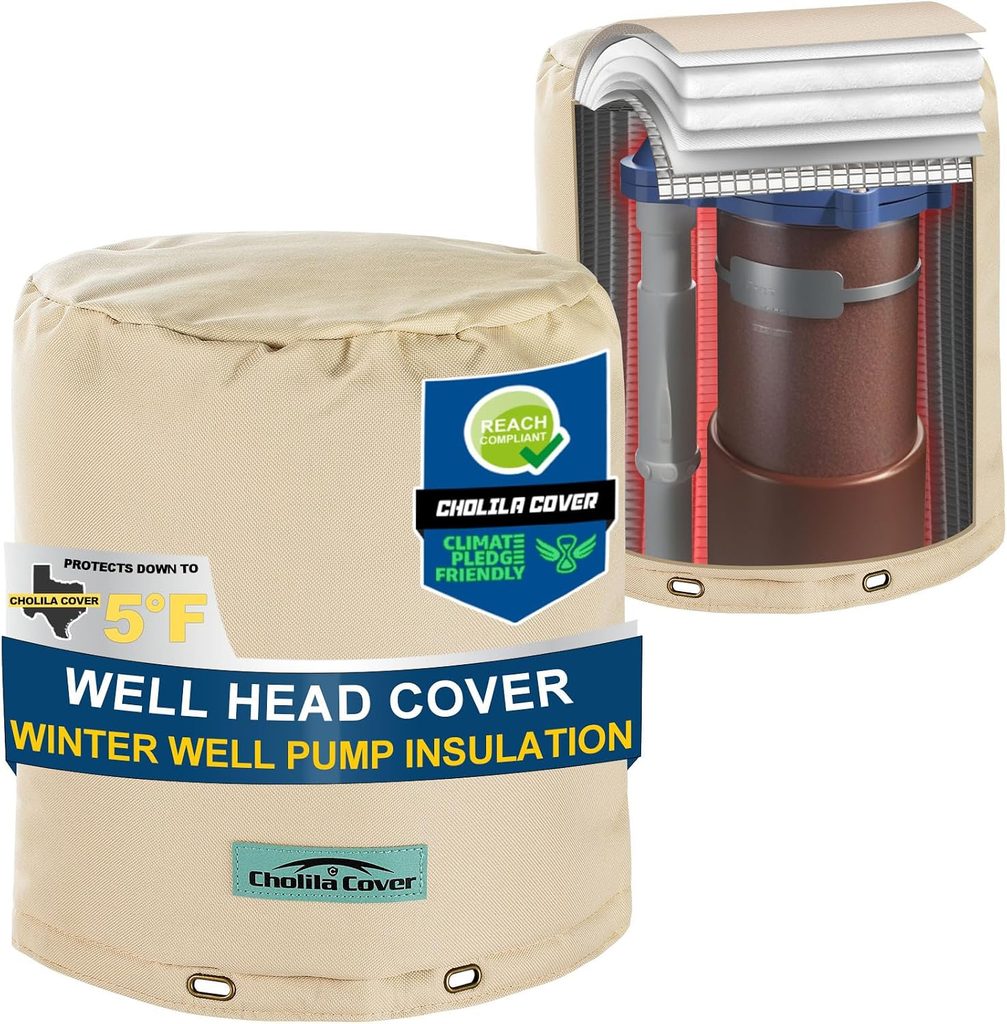
A cracked or loose cap lets cold air pour down the casing and chill the pitless adapter and wiring. Make sure the cap is tight, the vent screen is intact, and the gasket seals against the casing.
Never stuff insulation or rags into the top of the casing to block drafts. It invites insects and contamination. If your cap is damaged, our guide to well caps and sanitary seals covers the right replacements.
7. Confirm the Supply Line Is Below Frost Depth
The pipe running from the pitless adapter to your house should be buried below your local frost line. In northern states that can mean 4 to 6 feet, while southern states may need only 12 inches.
The weak spot is usually where the line rises through the foundation or slab. If that section froze last winter, insulate it from inside, seal the gap around it, and consider heat cable on the exposed portion.
8. Keep Water Moving and the House Warm
On the coldest nights, let a faucet on an exterior wall drip slowly. Moving water is harder to freeze, and an open tap relieves pressure if ice does form. Open sink cabinet doors so warm room air reaches the pipes behind them.
State Farm recommends keeping indoor temperatures above 55°F, even when you travel. A cheaper thermostat setting is never worth a burst pipe.
9. Plan for Power Outages
Winter storms knock out power, and on a well that means no water and no heat for your well house at the same time. A frozen system after an outage is one of the most common calls I get.
A properly sized battery backup for your well pump keeps water and heat cable running through short outages. For longer ones, a backup hand pump guarantees water no matter what the grid does.
Winterizing a Seasonal Home or Unused Well
If a cabin or rental will sit empty and unheated, draining is safer than heating. First, turn off power to the pump at the breaker. Next, open every faucet and the drain valve at the pressure tank tee.
Drain the pressure tank fully, then blow out the lines with compressed air at low pressure. Add RV antifreeze to drain traps and toilets, and leave faucets open so any remaining water has room to expand.
What to Do If Your Well System Already Froze
The warning signs are easy to spot. You get no water or a weak trickle, the pressure gauge reads zero, or the pump runs without shutting off. You may also hear the pressure switch clicking with no change in flow.
First, shut off power to the pump so it does not run dry or against a blocked line. Then find the frozen section, usually the coldest exposed spot, and warm it slowly with a hair dryer or space heater kept at a safe distance.
Never use an open flame or torch to thaw pipes, since it is a serious fire risk. If a pipe has split, close the nearest valve and call a plumber. Once water returns, watch for symptoms in our low water pressure diagnostic guide and the signs your well pump is failing.
From the field: A retired couple in northern Wisconsin called after their pump ran all night during a 9°F cold snap. Their pressure tank sat in an unheated well house, and the 1/4 inch tube under the switch had frozen solid.
The switch never saw pressure rise, so the pump kept running until the thermal overload tripped. We thawed the tube, wrapped it in heat cable and foam, and added a thermostatic outlet with a small heater. The whole fix cost under $90, and they have not had a winter callout since.
Short cycling after a thaw can point to a waterlogged tank that took damage. Our well pump short cycling tool helps you check the tank and switch. If the tank itself froze and cracked, see our best well pressure tanks for replacements.
Freeze Night Checklist

A WiFi temperature alarm placed in the well house sends an alert to your phone if the space drops toward freezing. For a second home, it is cheap insurance.
Frequently Asked Questions
Can a submersible well pump freeze?
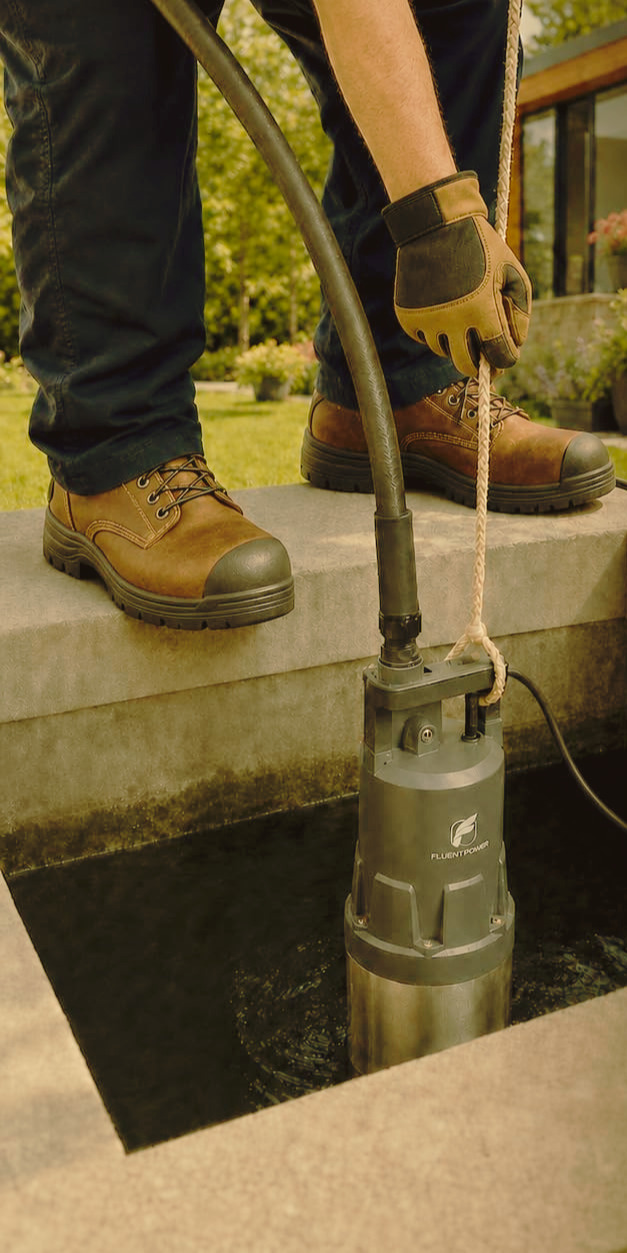
Very rarely. A submersible pump sits below the water line, deep below the frost depth. The parts that freeze are above ground: the pressure switch, tank, supply line, and any jet pump.
At what temperature should I worry about my well freezing?
Treat 20°F or below as your alert level, based on University of Illinois research. Exposed pipes in windy, drafty spaces can freeze at higher temperatures, so protect them before the first hard freeze.
Should I leave a faucet dripping to protect my well?
Yes, on the coldest nights. A slow drip keeps water moving and relieves pressure if ice forms. It costs very little water and can prevent a burst pipe.
Is heat tape safe to use on well pipes?
It is safe when you use a UL listed, self regulating cable plugged into a GFCI outlet and follow the instructions. Replace old or damaged heat tape, and never overlap it or wrap it over insulation.
Questions about your setup? Send me a message with your pump type and where your tank sits, and I will help you find the weak spot before winter does.
Also Read On:
>>>Low Water Pressure Well Diagnostic Tool: Is It the Pump, Filter, Pipes, or Fixtures?
>>>9 Signs Your Well Pump Is Failing: A Driller’s Guide to Catching Trouble Early
>>>Best Water Level Meters and Well Sounders: A Driller’s Picks for Home Wells (2026)