Best Well Water Test Kits: Lab Mail-In vs DIY Strips (2026 Guide)
If your water comes from a private well, nobody tests it but you. The question is not whether to test, but how: send a sample to a certified lab, or dip a strip at the kitchen sink? This guide compares the best well water test kits in both camps, shows what the accuracy research actually says, and tells you exactly which one fits your situation.
We have spent more than a decade drilling, commissioning, and troubleshooting water wells. The pattern we see over and over is simple: people buy treatment equipment first and test second, which is backwards and expensive.
This post contains affiliate links. If you buy through them, we may earn a commission at no extra cost to you. Read our disclosure.
Why Well Water Testing Matters: The Numbers
Private wells sit outside the Safe Drinking Water Act, so the owner carries all of the responsibility. The scale of that responsibility is bigger than most people realize.
43 million+Americans drink from private wells (about 23 million households)
1 in 5sampled wells had at least one contaminant above a health benchmark
2.1 millionpeople may be drinking well water high in arsenic
Under 10%of Iowa well owners test every year, even when testing is free
According to the EPA’s private well program, more than 43 million people rely on private wells, and a U.S. Geological Survey study of about 2,100 wells found roughly one in five contained a contaminant above a human health benchmark. The contaminants most often over the line were naturally occurring ones like radon and arsenic, not just farm or septic runoff. Nitrate exceeded the standard in about 4 percent of those wells.
A later USGS and CDC study modeled data from more than 20,000 domestic wells and estimated that about 2.1 million people may be using well water with arsenic above 10 micrograms per liter. Arsenic has no color, taste, or smell, so the only way to find it is to test for it.
Despite all this, testing rates are low. State officials in Iowa estimated that fewer than 10 percent of private well owners test annually, even though the state offers free testing.
Lab Mail-In Kits vs DIY Test Strips: The Real Difference
These two options answer different questions. A strip asks, “Is anything obviously off right now?” A certified lab asks, “Exactly what is in my water, and how much?”
How DIY test strips work
Strips use pads coated with reagents that change color when they react with a target chemical. You dip, wait, and match the color to a printed chart. Results take seconds to minutes, and a bottle of 50 to 100 strips usually costs $10 to $30.
The weakness is the color match. Lighting, color vision, and timing all affect the reading, and most strips report ranges rather than precise numbers.
How lab mail-in kits work
The lab ships you sterile bottles, a bacteria vial, instructions, and a prepaid return box. You collect samples at a cold tap, ship them back quickly, and the lab runs instrument analysis such as ICP mass spectrometry for metals. You get a report with exact concentrations compared against EPA limits, usually within one to two weeks.
What the accuracy research says
Independent studies agree that strips are useful screens but unreliable measurements. In a Washington State study of 102 homes, nitrate strips showed only moderate agreement with lab results, and the lab measured higher nitrate than the strip in 81 percent of samples that contained it. That means strips tended to make the water look safer than it was.
A University of Massachusetts Amherst study found wide variability between home test kits. Single parameter tests were consistently more accurate than multi parameter strips, and most strips underestimated iron.
| Factor | DIY Test Strips | Lab Mail-In Kit |
|---|---|---|
| Typical cost | $10 to $30 | $195 to $400 |
| Time to results | Seconds to 48 hours (bacteria) | About 5 to 12 days |
| Result type | Color range estimate | Exact concentration |
| Arsenic, uranium, VOCs | Not reliably detected | Included or available |
| Bacteria | Presence screen only (some kits) | Total coliform and E. coli |
| Accepted for home sales or loans | No | Usually, if the lab is state certified |
| Best use | Routine monitoring between lab tests | Baseline testing and treatment decisions |
A homeowner called us about orange stains in his tubs and a faint sulfur smell. He had already tested with a 16 in 1 strip kit, which showed iron “low” and everything else in the green, so he had bought a small cartridge filter that clogged in three weeks.
We asked him to send a sample to a certified lab before buying anything else. The report showed iron at nearly 3 parts per million, ten times the EPA aesthetic guideline, plus manganese and a pH of 6.4. The strip had not lied about the presence of iron; it simply could not tell him how much, and how much is what decides the filter.
Best Well Water Test Kits: Our Picks
Prices below were checked in October 2026 and change often, so confirm on the seller’s page before ordering.
Best Lab Mail-In Kits
Best Overall
Tap Score Essential Well Water Test
This is the kit we point most well owners to first. It covers around 50 parameters, including total coliform, E. coli, arsenic, lead, uranium, nitrate, hardness, iron, manganese, and pH. The report is easy to read and explains which results are health concerns versus plumbing or cosmetic issues.
Price: about $195 to $210. Best for: new homeowners, annual baseline testing, and anyone sizing treatment equipment.Check Tap Score Pricing
Most Thorough
Tap Score Advanced Well Water Test
The Advanced panel roughly doubles the parameter count by adding volatile organic compounds such as fuel and solvent chemicals. It makes sense if your well is near a gas station, farm chemical storage, industrial site, or a road with heavy traffic.
Price: about $285 to $400 depending on promotions. Best for: wells near possible chemical sources or anyone with unexplained odors.Check Tap Score Pricing
Best Value Per Parameter
National Testing Laboratories WaterCheck
National Testing Laboratories has run mail-in well testing for decades, and its WaterCheck panels cover a broad list of metals, inorganics, and organic chemicals. Return shipping is often not included, so budget for it, and add the bacteria option if your package does not include it.
Price: about $240 for the standard panel. Best for: owners who want a large panel without paying top tier pricing.Visit National Testing Laboratories
Do not skip your local health department. Many county health departments and state certified labs offer bacteria and nitrate testing free or at low cost. The EPA keeps a directory of state private well programs where you can find yours.
Best DIY Test Strip Kits
Best Strip Kit for Wells
Varify 17 in 1 Complete Water Test Kit
Varify bundles 100 multi parameter strips with a separate bacteria test that reads in about 48 hours. The strips cover hardness, iron, copper, nitrate, nitrite, chlorine, and pH, which makes it a solid monthly check between annual lab tests.
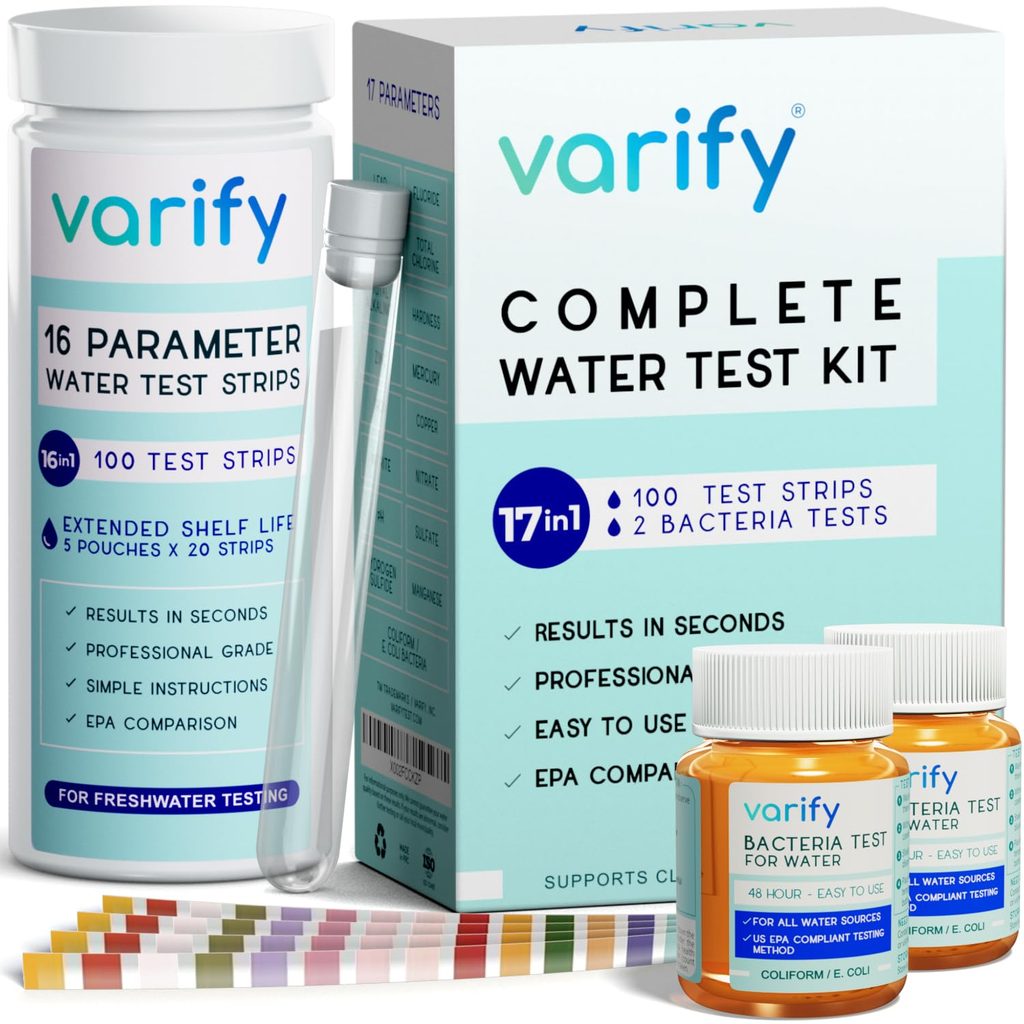
Price: about $25 to $35. Best for: tracking changes after a storm, flood, or well repair.
Best Bundle
Health Metric Drinking Water Test Kit
Health Metric packages several screening tests in one box, including a bacteria screen, and is designed with well owners in mind. Treat a positive result as a reason to call a lab, not as a final answer.
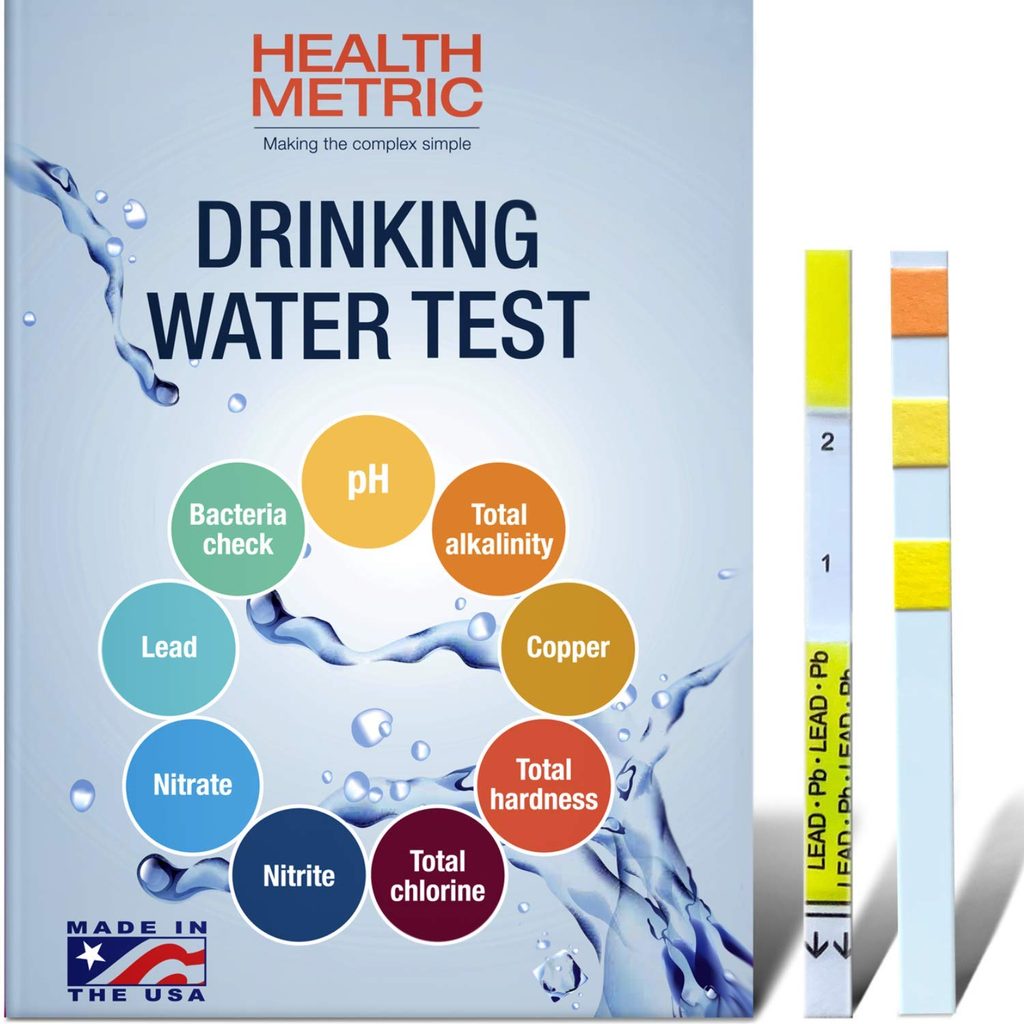
Price: about $25 to $40. Best for: a quick first look at a newly purchased property while you wait on lab results.
Most Accurate Single Test
Hach Total Hardness Test Strips
Because single parameter tests outperform all in one strips, a dedicated hardness strip from a lab supply brand like Hach is the smart way to size or check a water softener. Use it every few months to confirm your softener is still doing its job.
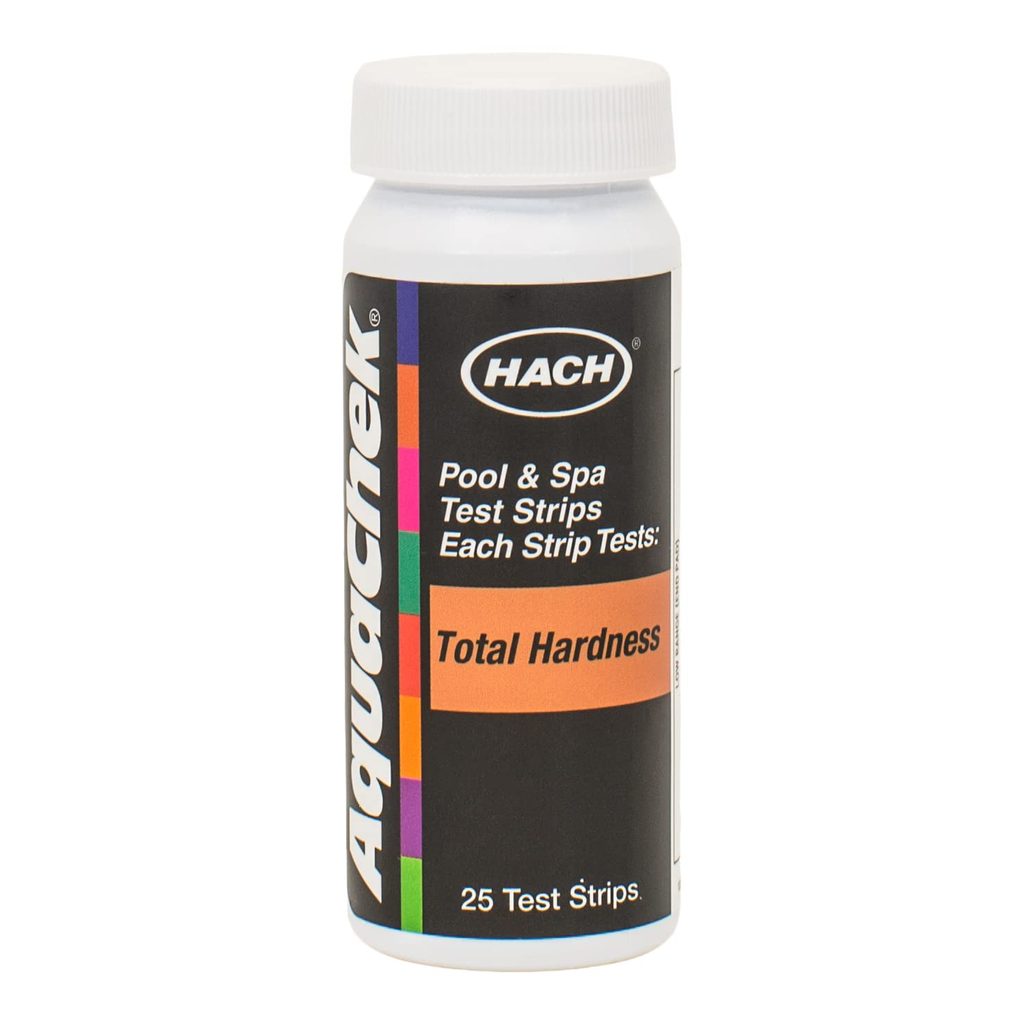
Price: about $15 to $25. Best for: softener owners and anyone with scale buildup.
What to Test For and How Often
The CDC recommends testing every year for total coliform bacteria, nitrates, total dissolved solids, and pH. It also suggests checking the well each spring for mechanical problems.
| When | What to Test | Best Tool |
|---|---|---|
| Every year | Total coliform, E. coli, nitrate, pH, TDS | Lab or health department |
| Every 3 to 5 years | Full panel: arsenic, lead, uranium, iron, manganese, hardness | Lab mail-in kit |
| Monthly or after events | Hardness, iron, pH, nitrate trends | DIY strips |
| After flooding, well repair, or a new baby | Bacteria and nitrate immediately | Lab |
| Before buying a home | Full panel plus bacteria | State certified lab |
Test sooner if the taste, smell, or color changes, or if someone in the home has unexplained stomach illness. Also retest after any work on the well head; a cracked or loose cap is one of the most common bacteria entry points we see, so check our guide to the best well caps and sanitary seals.
Which Kit Should You Choose?
- Just bought a home with a well: a full lab panel such as Tap Score Essential. This is your baseline, and you will compare every future test against it.
- Planning to buy treatment equipment: a lab test first, always. You cannot size an iron filter or softener without real numbers.
- Already have good lab results: strips for monthly monitoring, plus an annual bacteria and nitrate test.
- Near farms, fuel storage, or industry: the Advanced lab panel with VOCs.
- On a tight budget: start with your health department, then add strips.
How to Collect a Sample Correctly
A good lab cannot rescue a bad sample. Follow these steps so your results reflect your well and not your faucet.
- Use a cold tap without an aerator, and remove any screen first.
- Sample before any treatment equipment if you want to know raw well quality, or after it if you are checking a filter.
- Run the water for several minutes so you draw fresh water from the well, except for lead tests that call for a first draw sample.
- Do not touch the inside of the bottle or cap, especially for bacteria.
- Ship on a Monday or Tuesday so samples do not sit in a warehouse over a weekend. Bacteria samples usually must reach the lab within about 30 hours.
What to Do With Your Results
Your report tells you which problem to solve, and each problem has a different fix. Match your result to the right equipment instead of buying a general filter and hoping.
- Coliform or E. coli present: shock chlorinate, find the entry point, and consider permanent disinfection with one of the best UV water purifiers for coliform bacteria.
- High iron or manganese: compare options in our guide to the best iron filters for well water.
- Arsenic, nitrate, or lead: point of use treatment is usually the most cost effective route; see the best under sink reverse osmosis systems for well water.
- Sand, silt, or high turbidity: start with one of the best whole house sediment filters, and if sand appears suddenly, read our signs your well pump is going bad.
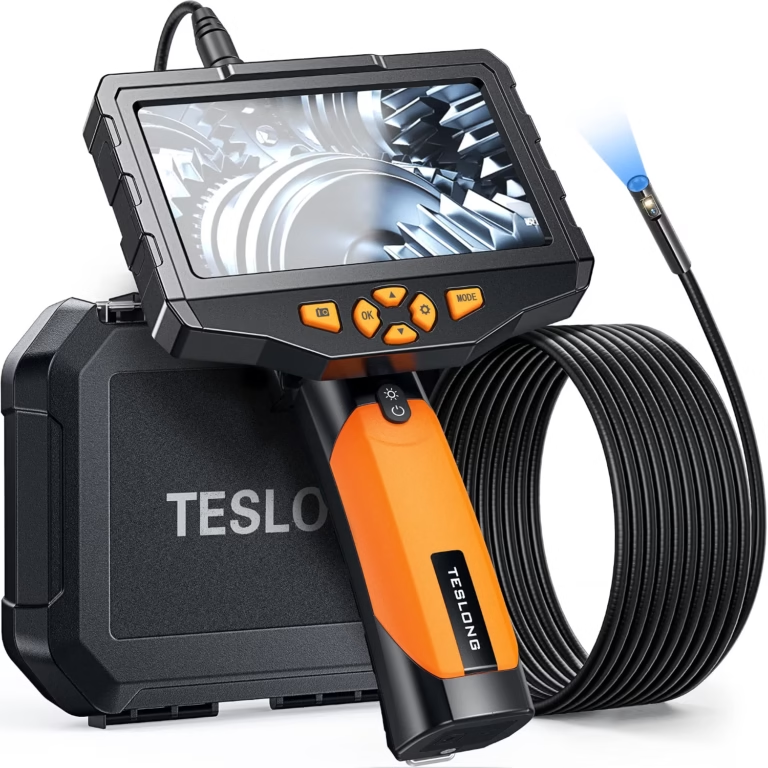
If results swing wildly between tests, the problem may be in the well itself, such as a damaged casing or failed seal. A well inspection camera can show you what is happening down the hole before you spend money on treatment.
Frequently Asked Questions
Are DIY well water test strips accurate?
They are accurate enough to flag obvious problems but not to make health or treatment decisions. Research shows strips often read lower than lab results, especially for nitrate and iron.
How much does a well water test cost?
DIY strip kits cost about $10 to $40. Certified lab mail-in kits usually run $195 to $400, and many county health departments test bacteria and nitrate for free or at low cost.
Can test strips detect arsenic in well water?
Standard multi parameter strips do not test for arsenic. Dedicated arsenic field kits exist, but a certified lab test is the reliable way to measure it.
How often should I test my well water?
Test every year for bacteria, nitrate, pH, and total dissolved solids. Run a full lab panel every three to five years, and test immediately after flooding, well repairs, or any change in taste, smell, or color.
The Bottom Line
The best well water test kits work as a team, not as rivals. Use a certified lab mail-in kit to set your baseline and make treatment decisions, then use inexpensive strips to watch for changes between lab tests.
If you only do one thing this year, order a lab test that covers bacteria, nitrate, and arsenic. It costs less than most filters, and it tells you exactly which filter, if any, you actually need.
Also Read On:
>>>Best Whole House Sediment Filters and Spin Down Prefilters for Well Water
>>>Well Pump Short Cycling: A Simple Diagnosis Tool for Tanks, Waterlogging and Switches
>>>Best Under Sink Reverse Osmosis Systems for Well Water: A Driller’s 2026 Buying Guide