Frozen Well Pipes: How to Thaw a Frozen Well Line Safely

You wake up to a freezing morning and no water. On a well system, a frozen pipe is the first suspect, and the most common spot is smaller than you think.
This guide shows you where wells freeze, how to thaw each spot safely and what to do once the water is back. Most freezes can be fixed in under an hour with a hair dryer.
Boreholeflow is reader supported. When you buy through links on this page, I may earn a commission at no extra cost to you. Read the full disclosure.
- Turn off the pump breaker first. A pump that runs against a frozen line can overheat.
- The small tube under the pressure switch is the most common spot to freeze. Warm it with a hair dryer or heating pad.
- Never use an open flame or a torch. Use gentle heat and leave a tap open so melting water can flow.
Where Is It Frozen? Quick Checker
Answer what you can see. The checker points to the most likely frozen spot.
A quick guide to narrow things down, not a diagnosis. Turn off the power before you touch any wiring.
First Steps
- Switch off the pump breaker. Leave it off until the freeze is cleared.
- Open the tap nearest the pump. It relieves pressure and shows you when water starts moving.
- Look for leaks or wet spots. If you see any, close the main valve before you thaw anything.
- Find the cold spots. Feel the pipes from the pump outward. Frost on a pipe is a giveaway.
How to Thaw a Frozen Well Pipe Safely
The Water Systems Council recommends gentle heat from an electric heating pad wrapped around the pipe, a hair dryer or a portable space heater (Water Systems Council). Keep the pump breaker off until the tube to the pressure switch is warm and working again.
| Safe to use | Never use |
|---|---|
| Hair dryer or heat gun on low | Propane torch or open flame |
| Electric heating pad wrapped on the pipe | Charcoal or gas heaters indoors |
| Portable space heater, kept clear of anything flammable | Boiling water poured on plastic pipe |
| Warm towels changed often | Heat guns on high on PEX or PVC |
- Start at the open tap end and work back toward the frozen section.
- Warm the pressure switch tube first. It is tiny and thaws in minutes.
- Keep the tap open. Running water helps melt the rest of the ice.
- When water flows, switch the pump back on and watch the pressure gauge rise.
If the Buried Line Is Frozen
The water line from the well should run below the frost line, usually through a pitless adapter on the casing. Freezes there are rare but happen when the line is shallow, where it comes up into the house or after very deep frost.
Warm the pipe where it enters the house and give it time. If it does not free up within a few hours, call a well contractor; they have tools that thaw buried lines from inside. Alberta Agriculture explains how pitless adapters keep the line below frost (Alberta Agriculture (pitless adapters)).
If a Pipe Burst
- Keep the pump breaker off and close the main valve.
- Thaw the area gently and find the split.
- Cut out and replace the damaged section, or call a plumber.
- Check the pressure tank and switch for cracks before turning the pump back on.
How to Stop Your Well Freezing Again
- Insulate exposed pipes with foam sleeves, especially the pressure switch tube.
- Fit heat tape on pipes in pits, crawlspaces and unheated rooms.
- Keep the pump house above 40 F with insulation and a small thermostatic heater.
- Let a far tap drip on the coldest nights.
- Protect the wellhead and mark it so snow plows do not hit it.
HEATIT Self Regulating Heat Tape

Self regulating cable that warms up only as much as needed, so it will not overheat a pipe. Good for well pits and crawlspaces.
Check price on AmazonnVent RAYCHEM FrostGuard Heat Cable
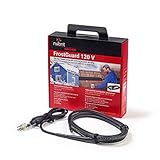
A trusted name in pipe heating with a plug in design. A good choice for long runs on metal or plastic pipe.
Check price on AmazonRead our full guides to keeping a well pump from freezing and the best heat tape for water pipes. If power cuts are what lets things freeze, see battery backup for a well pump.
Frequently Asked Questions
How do I know if my well pipes are frozen?
No water or a trickle on a very cold morning, a silent pump or a pump that runs without building pressure, and frost on exposed pipes are the main signs.
Can a well itself freeze?
The water deep in a drilled well does not freeze. What freezes is the exposed plumbing: the pressure switch tube, pipes in pits or crawlspaces, and lines that are too shallow.
Should I turn off my well pump if the pipes are frozen?
Yes. Turn off the breaker so the pump does not run against a blocked line, and keep it off until the pressure switch tube is thawed.
How long does it take a frozen well pipe to thaw?
A small exposed section like the pressure switch tube can thaw in 10 to 30 minutes with a hair dryer. A buried line can take hours or need a professional.
Is it safe to use a heat gun on a frozen pipe?
Only on a low setting and kept moving, especially on PEX or PVC. A hair dryer or heating pad is safer. Never use an open flame.
Sources: Water Systems Council; Alberta Agriculture (pitless adapters).