How to Winterize a Cabin or Vacation Home on a Well (Checklist)

What to know
- There are two safe ways to leave a cabin on a well for winter: drain everything, or keep the heat on with backups and remote alerts.
- A submersible pump in a properly built well usually sits below the frost line, so you rarely need to pull it. The risk is the water left in the tank, pipes, heater and traps.
- Use only non toxic RV antifreeze in drains and toilets, never automotive antifreeze.
- In spring, flush the lines and test for bacteria before drinking the water again.
A cabin or vacation home on a private well can go months without anyone turning a tap. If the heat fails while you are away, a single frozen pipe can split and flood the place before anyone notices.
This guide covers both ways to protect it: the full drain down for places you close completely, and the heat on approach for cabins you visit through winter. The checklist below saves your progress, so you can open it on your phone at the cabin and tick through it.
Interactive checklist
Cabin well winterizing checklist
Pick your plan. Your ticks are saved on this device, so you can work through it at the cabin.
Drain down or leave the heat on?
| Full drain down | Leave the heat on | |
|---|---|---|
| Best for | Cabins closed for the whole winter | Cabins you visit through winter |
| Freeze risk if power fails | Very low, nothing left to freeze | Real, unless you have alerts and a backup plan |
| Effort | An afternoon to close, an hour to open | Quick to leave and return |
| Running cost | None | Heating fuel or power all winter |
If you cannot get to the cabin quickly when something goes wrong, the drain down is the safer choice. Many owners do both: keep a little heat on and drain the plumbing as well.
How to fully drain a cabin well system
1. Shut off the pump and the water heater
Turn the pump off at the breaker so it cannot run dry while the lines are empty. Turn the water heater off before you drain it, because heating an empty tank can damage the elements.
2. Drain the pressure tank and open the faucets
Open every faucet in the house, starting at the top floor, to let air in. Then open the drain valve at the bottom of the pressure tank, or the boiler drain near it, until the gauge reads zero.
If you are not sure where your tank drain is, our pressure tank guide shows the parts. Do not let air out of the tank bladder itself; that is separate from the water.
3. Blow out the lines
Gravity leaves water in low spots and long runs. A small air compressor with a blowout plug pushes the rest out through each open faucet in turn. Keep the pressure low, around 30 to 40 psi, to protect older fittings.
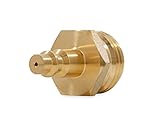
- Prevent Freeze Damage: Camco’s RV winterize blowout adapter safeguards your camper’s plumbing by using air pressure to eliminate residual water, keeping your pipes safe from cracking in freezing temperatures.
- Thorough Line Clearance: This essential RV winterization tool ensures water is fully flushed from your water lines, preventing trapped moisture that can freeze, expand, and cause costly damage to your plumbing.
- Quick Connect System: The built-in quick connect feature allows easy attachment to your air compressor’s hose, ensuring a secure and hassle-free connection.
- Screw In Plug Design: Simply screw the RV blowout plug adapter into your RV’s city water inlet for a quick, straightforward setup that ensures reliable performance.
- Durable Construction: Crafted from sturdy brass, this camping equipment is built to withstand harsh conditions, ensuring reliable performance. Its exceptional quality makes it an RV must-have for effective winterization.

4. Protect the traps and toilets
Every sink, tub, shower and floor drain has a trap that holds water. Pour non toxic RV antifreeze into each one so it cannot freeze and crack. Do the same for toilet bowls after draining the tanks.

- -50° Burst protection
- Lubricates seals and gaskets
- Safe for marine engine blocks
- Made from materials considered non-toxic
- Will not harm steel, plastic, copper, or brass plumbing
5. Deal with treatment equipment
Water softeners, filters and UV systems hold water too. Follow each manual: many can be bypassed and drained, and filter cartridges are best removed and replaced in spring.
6. What about the pump in the well?
With a submersible pump and a pitless adapter, the water in the well sits below the frost line, so the pump can usually stay put. If you have a jet pump in the house or a pump house, drain its casing through the drain plugs, and see our jet pump guide for the parts.
Leaving the heat on: the backup plan matters
Keeping the cabin warm is simpler, but it relies on power and fuel staying on while you are away. Most advice puts the thermostat at no lower than 55°F, with a few extra layers of protection for the well system.
Heat the well house only when it is cold
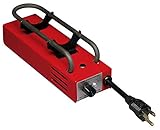
A thermostatic outlet switches a heater or heat lamp on near freezing and off again as it warms, so you are not heating the well house all winter.

- Plugs into a standard 15 amp electrical outlet and turns power on automatically according to ambient air temperature
- Works with any 120V electrical device
- Saves money by using power only when temperatures require heating
- Two receptacles for use with more than one electrical device
- Turns on as temperature falls to approximately 35°F, off as temperature rises above 45°F
- Age Range Description: All Life Stages
Get an alert before pipes freeze
A WiFi temperature alarm sends a message to your phone if the cabin drops below a set point. It only works if the cabin has internet and power, so pair it with a neighbor who can check in.

- Update Remote Mute: Enjoy the convenience of dismissing the hub's beep directly from the Smart App, eliminating the need to manually press a button
- 24/7 Remote Monitoring: This WiFi freezer thermometer checks your freezer around the clock and sends an alert if temperatures rise or drop unexpectedly, such as when a door is not closed properly. Check readings from anywhere in the app, or simply ask Alexa for the current temperature, so you can act quickly to protect your stored items (Supports 2.4GHz Wi-Fi only)
- 3 Optional Instant Alerts: App push notifications, email alerts, and loud 90dB audible alerts from the Hub. These multiple notification methods help you respond quickly when issues arise. The system also includes hub offline alerts for power outage incidents, low battery warnings, anti-false alarm, and other smart alert settings designed to make monitoring smarter. iOS Critical Alerts bypass Do Not Disturb modes to deliver alarms
- Power Outage Alert: If power or internet drops at home, the hub goes offline and you get an app and email alert about 25 minutes later, plus a notice once the hub is back online
- Industrial Grade Accuracy: Powered by a high-sensitivity sensor, this refrigerator thermometer delivers precise monitoring from -40°F to 158°F with an accuracy of ±0.9°F. The 0.9mm ultra-thin flat cable easily passes through refrigerator door seals, helping prevent cold air leakage and reduce frost buildup for more stable internal temperatures. It’s ideal for kitchen freezers, garage refrigerators, fish tanks, hot tubs, RVs, greenhouses, nurseries, as well as commercial and laboratory settings
Cover outdoor faucets

- ❄【High Compatibility】-- Faucet covers for winter measures 6.7" W x 8.3" H, Works well with various faucet types, such as garden spigots, hose bibs, water tap, keep faucets protected in freezing weather.
- ❄【Easy To Install and Remove】-- Spicket cover outside No more tools and screws.ust slide covers onto the faucet; fasten it with hook-and-loop straps & cord. Measier to use than some foam covers or hook & loop tape styles.
- ❄【Superior Protection】-- Very thick faucet cover design.In winter protecting your outside faucets from freezing and bursting. In summer prevent faucets from the blazing sun or the rust. Help save costly repairs.
- ❄【Against freezing & Waterproof Material】-- Outside faucet cover freeze protection outer surface is 600D Oxford protection water coating, which prevents rainwater from entering. the middle was filled with special PP insulated cotton.Three-layer design have Some good insulation effects. effectively keep the faucet dry and warm during.
- ❄【Please confirm again】--- Our water faucet covers for outside size and packaging is 6.7" W x 8.3" H, Set of 2,If you don't know the size of your faucet, you can try to buy it. If it is not compatible with your faucet or the product is damaged, please contact our customer service team at any time, we will refund or replace you within 24 hours.
For more on protecting a well that stays in use, see how to keep a well pump from freezing and our heat tape guide.
Opening the cabin in spring
- Close all faucets and drain valves, and reconnect anything you removed.
- Switch the pump back on and let the pressure tank fill. Open each faucet slowly to bleed the air out.
- Refill the water heater completely before turning its power or gas back on.
- Run every tap until the water runs clear and the RV antifreeze taste is gone.
- Test the water for bacteria before you drink it. Wells that sit unused can pick up coliform, and shock chlorination fixes most cases.
Our guide to coliform bacteria in well water explains what a positive result means.
Frequently asked questions
Do I need to pull the well pump to winterize a cabin?
Usually not. A submersible pump with a pitless adapter sits below the frost line. Drain the pressure tank, pipes and water heater instead, and drain any jet pump that sits above ground.
What temperature should I leave a vacant cabin at?
Most advice is to keep it at no lower than 55°F, and to add remote temperature alerts in case the heat fails.
Can I use car antifreeze in my cabin drains?
No. Use only non toxic RV and marine antifreeze made from propylene glycol. Automotive antifreeze is poisonous and should never go into plumbing.
Should I test my well water after winter?
Yes. Test for bacteria before drinking the water from a well that has sat unused for months, and shock chlorinate if the result is positive.