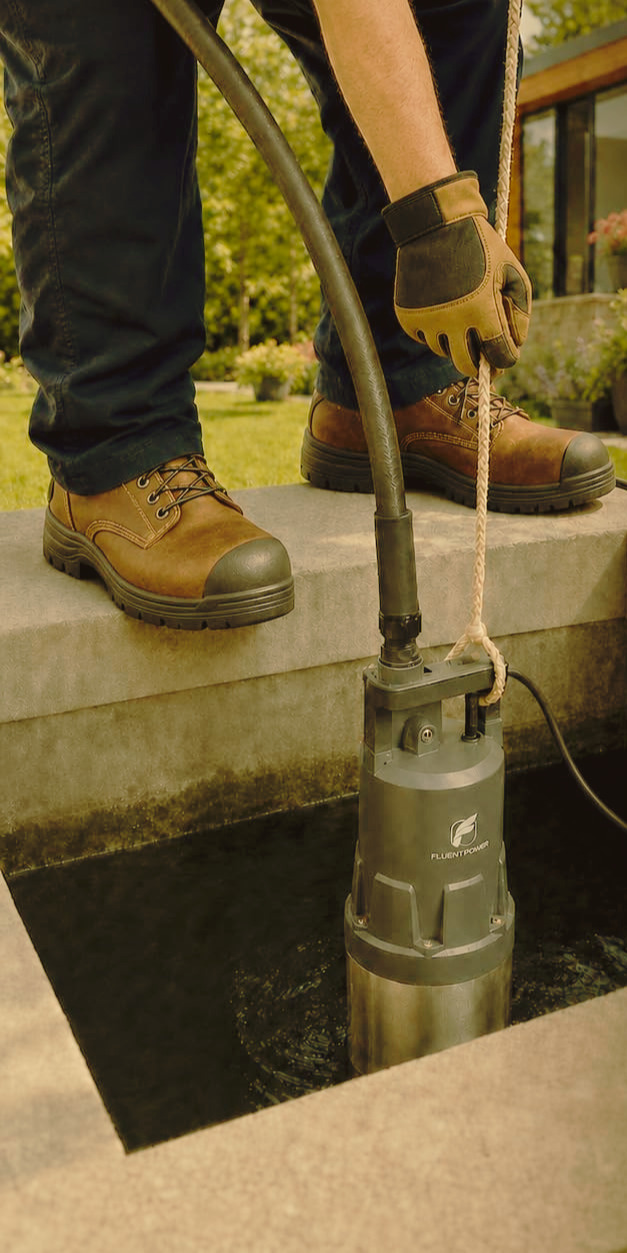
Low Water Pressure Well Diagnostic Tool: Is It the Pump, Filter, Pipes, or Fixtures?
You turn on the shower and get a weak, sad dribble instead of a proper spray. On a city connection you would call the utility, but on a private well the whole system is yours to figure out. The good news is that a low water pressure well problem almost always comes from one of five places, and you can narrow it down in about ten minutes.
After more than a decade drilling and servicing wells at Bonvic Drilling, the costliest mistake I see is a homeowner replacing a good pump when the culprit was a $15 filter cartridge. This guide and free tool are built to stop that.
This post contains affiliate links. If you buy through them, I may earn a small commission at no extra cost to you. Read the full disclosure.
Key takeaways
- Low pressure comes from five zones: the pump and well, the pressure tank and switch, filters, pipes, or the fixtures themselves.
- The gauge on your pressure tank is your best diagnostic tool, and it costs nothing to read.
- If only one faucet is weak, the problem is almost never the pump.
- A booster pump fixes low settings or long runs, but never a weak well.
Why Low Pressure on a Well Is a Different Problem
The EPA estimates that more than 43 million Americans rely on private wells, spread across more than 23 million households. Every pound of pressure at their taps comes from their own pump, tank, and pressure switch.
The pressure switch starts the pump at the cut in and stops it at the cut out. The most common American setting is 40/60, while older homes often run 30/50 or 20/40, which feels weak by modern standards.

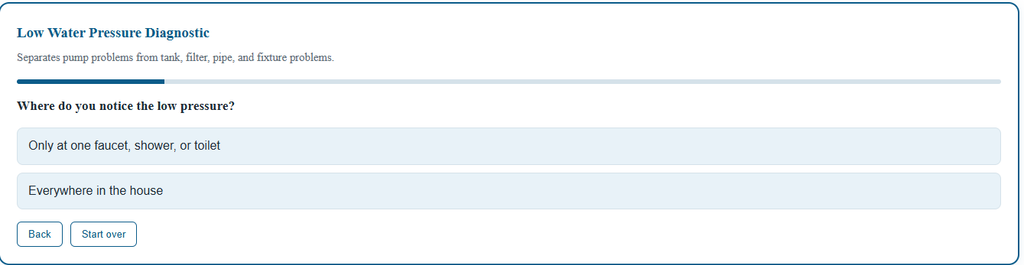
Run the Free Low Water Pressure Diagnostic Tool
Answer a few quick questions and the tool points you to the most likely cause. Stand where you can see the pressure gauge near your tank.
The Five Minute Gauge Test (Do This First)
Your pressure gauge sits on the tank tee, so it reads pressure before water reaches your filters, pipes, and fixtures. If the gauge looks healthy but your taps are weak, the problem is downstream and the pump is off the hook.
- Close every tap in the house and note the gauge reading once the pump stops.
- Open a bathtub faucet fully and watch the needle fall.
- Note the reading when the pump clicks on. That is your real cut in.
- Watch the needle climb and note where the pump clicks off. That is your real cut out.
- Close the tap and watch for 15 minutes. A needle that slowly drops with nothing running points to a leak or a failing check valve.
If your gauge is cloudy or stuck, replace it first. A $12 gauge that reads 10 psi wrong will send every diagnosis the wrong way.
Zone 1: Pump and Well Problems
Pump problems show up as a system that cannot build pressure: long run times and a gauge that stalls short of the cut out. The common causes are worn impellers, a cracked drop pipe leaking back into the well, a stuck check valve, or a well whose water level drops faster than it recovers.
The well and the pump are two different problems with the same symptom. A worn pump pumps clear water weakly from start to finish. A struggling well usually starts strong, then coughs air, spits sediment, or loses pressure as the water level falls toward the intake.
Pulling a pump is expensive, so confirm the diagnosis first. Our well pump lifespan calculator shows whether your pump is near the end of its life anyway.
Zone 2: Pressure Tank and Switch Problems
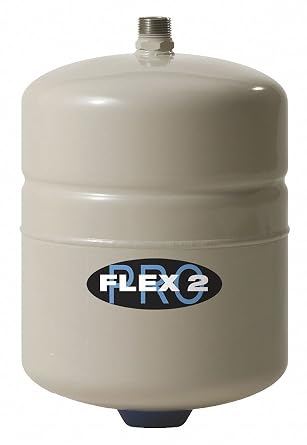
The pressure tank stores a cushion of water so the pump does not start for every glass. When the air charge is wrong or the bladder fails, you get wild pressure swings and a pump that clicks on and off.
The standard rule is to set the tank pre charge 2 psi below the cut in, with the pump off and the tank drained. Boshart’s technical guidance notes that a 40/60 system often runs better with a slightly bigger gap, roughly 10 to 20 percent below cut in. Either way, a tank charged above the cut in will cause a sharp pressure drop right before the pump starts.
The switch itself can also fail. Burned contacts or a clogged pressure port will keep the pump from reaching proper pressure.
Zone 3: Filter and Treatment Problems
Filters are the number one cause of whole house low pressure I find on service calls where the pump checks out fine. Sediment, iron, and manganese load up a cartridge slowly, so the pressure loss creeps in over weeks and nobody notices until the shower is barely usable.
The rule of thumb is simple: install a gauge on each side of the filter housing and replace the cartridge when the difference passes about 10 psi. Softeners, iron filters, and acid neutralizers restrict flow the same way when their media bed fouls or a control valve sticks.
Bypassing the equipment is the fastest test. If pressure comes roaring back in bypass, you have found your problem.
Zone 4: Pipe and Valve Problems
If the gauge at the tank is healthy and the filters pass the bypass test, the pressure is being lost inside your pipes. Start with the boring stuff: make sure the main shutoff and any gate valves are fully open.
Next, look for a pressure reducing valve on the main line. A pressure reducing valve, or PRV, lowers incoming pressure to protect fixtures, and most plumbing codes cap household pressure at 80 psi. When a PRV clogs with sediment or its spring fails, it can choke pressure far below its setting.
Scale is the slow killer. The USGS Water Science School reports that about 85 percent of the country has hard water, and groundwater tends to be harder than surface water. Over decades, that mineral narrows the inside of galvanized steel pipe until a 3/4 inch line behaves like a 1/4 inch one.
Leaks matter too. The EPA WaterSense program estimates the average household’s leaks waste more than 9,300 gallons a year, and that 9 percent of homes have leaks wasting 50 gallons or more a day. On a well, that means lower pressure and extra pump starts.
Zone 5: Fixture Problems
If only one tap is weak, leave the well alone. Aerators and showerhead screens catch grit, especially after pump work, and an overnight soak in white vinegar dissolves most scale.
Single handle faucets hide a cartridge that can clog or wear out. When only the hot side is weak, look at the water heater, which collects sediment at the bottom and can partly block the outlet.
A Field Story: The Pump That Wasn’t Broken
A family called us sure their pump had failed, with a quote for a new submersible already in hand. The gauge told a different story: a clean climb from 40 to 60 psi and a normal shutoff.
We bypassed their sediment filter and pressure jumped back instantly. The cartridge was packed solid after eight weeks because a nearby road project had stirred up the aquifer. A larger housing fixed it for about $90, against a pump quote of over $2,000.
When a Booster Pump Is the Right Fix
A booster pump makes sense when your well system works properly but still cannot deliver the pressure you want. The classic cases are a home far uphill from the tank, a second story bathroom on a 30/50 system, a low yield well feeding a storage cistern, or a pump with no headroom to raise the switch setting.
A booster cannot create water your well does not have. On a low yield well, it only drains the water faster and can burn up both pumps.
Booster pumps I trust for well homes
Look for a pump with built in pressure control, dry run protection, and stainless steel wetted parts. Read my full water pressure booster pump guide for sizing and installation details.
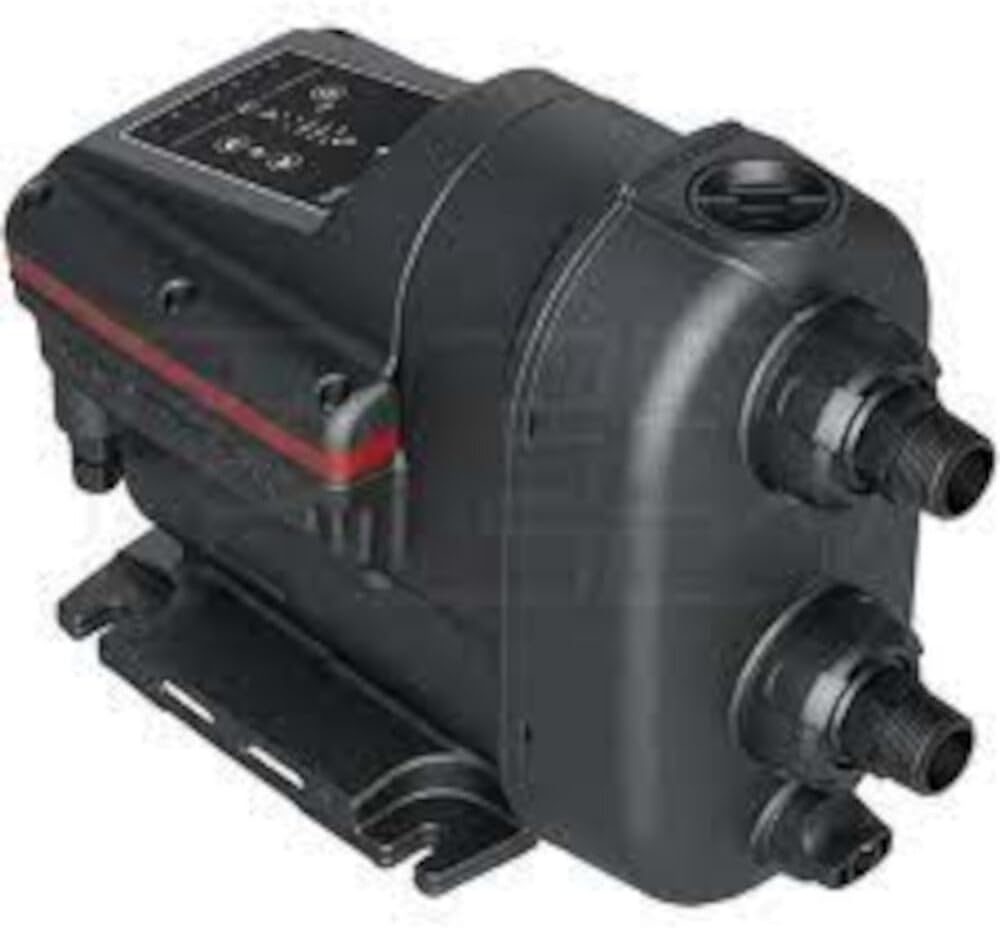
Check Grundfos MQ3 priceCheck Davey BT20 price
When a Pressure Regulator Is the Right Fix
A pressure regulator does the opposite job of a booster, and you often need one alongside it. If you add a booster, raise your switch setting, or live downhill from your tank, pressure at the fixtures can climb past the 80 psi code limit. High pressure wears out faucet cartridges, fill valves, and appliance hoses fast.
Replace an old, corroded PRV if the tool pointed you to the main line. Choose one sized to your pipe with a range of roughly 25 to 75 psi.
Pressure reducing valves worth installing
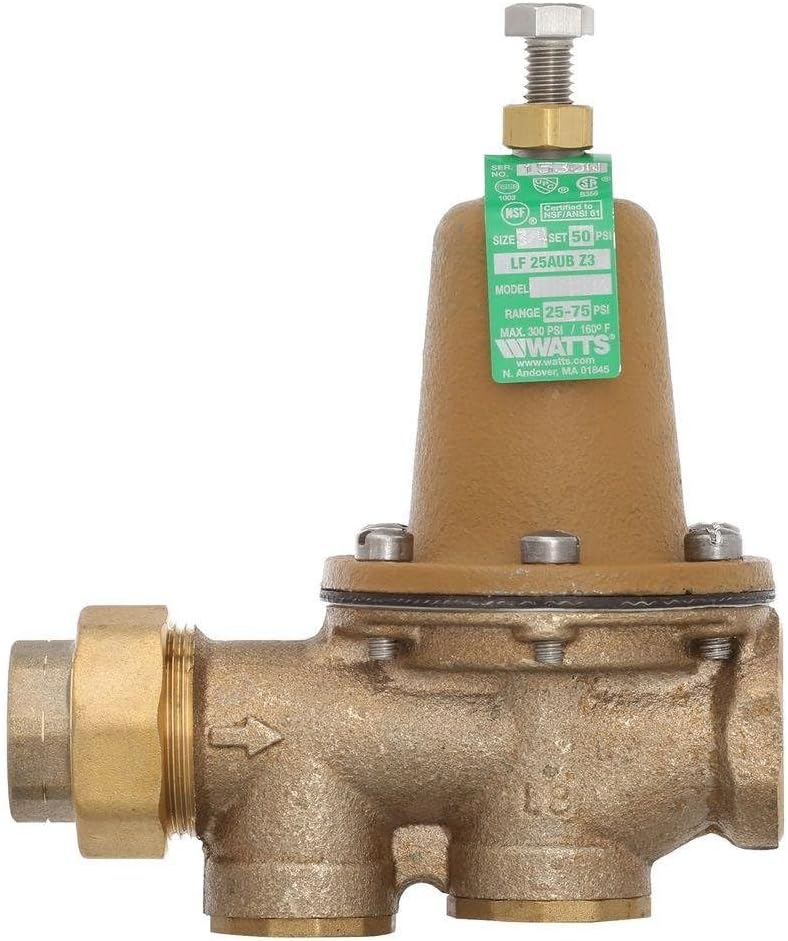
Brass body, lead free, and a cleanable strainer are the three must haves.Check Watts LF25AUB priceCheck Zurn Wilkins 70XL price
Quick Reference: Symptom, Cause, and Fix
| Symptom | Most likely cause | First fix |
|---|---|---|
| One faucet weak | Clogged aerator or cartridge | Clean or replace the aerator |
| Pump clicks on and off fast | Waterlogged tank, wrong pre charge | Reset pre charge or replace tank |
| Gauge healthy, whole house weak | Filter, PRV, or pipes | Bypass filters, inspect PRV |
| Pump runs, never reaches cut out | Worn pump or drop pipe leak | Check valve test, call a pro |
| Sputtering, air, or sand | Low well yield or water level | Measure water level first |
| Always been weak, system healthy | Low switch settings or long run | Adjust switch or add booster |
Chasing sediment too? Start with one of the best well water test kits, or browse more guides in our troubleshooting section.
Frequently Asked Questions
What is normal water pressure for a well?
Most well homes run between 40 and 60 psi, set by a 40/60 pressure switch. Older systems set at 30/50 work fine but feel weaker upstairs and in showers.
Why is my well water pressure suddenly low?
A sudden drop usually points to a clogged filter, a tripped or failing pump, a waterlogged pressure tank, or a new leak. Read the gauge at your tank first to tell which side of the system is at fault.
Will a booster pump fix low well pressure?
Only if your well and pump are healthy and the problem is settings, distance, or elevation. A booster cannot fix a low yield well or a failing pump.
How do I know if my well pump is going bad?
Watch for a pump that runs longer than usual, never reaches cut out pressure, or trips the breaker. Spitting air or sediment can also point to a falling water level rather than the pump itself.
The Bottom Line
Read the gauge, work from the tap back toward the well, and only pull the pump when the evidence points there. Stuck? Send me your gauge readings.
Also Read On:
>>>9 Signs Your Well Pump Is Failing: A Driller’s Guide to Catching Trouble Early
>>>Best Water Level Meters and Well Sounders: A Driller’s Picks for Home Wells (2026)
>>>Best Well Caps, Sanitary Seals, and Vermin Proofing for Private Wells