9 Signs Your Well Pump Is Failing: A Driller’s Guide to Catching Trouble Early
Your well pump works out of sight, hundreds of feet underground, until the day the faucet coughs air and the shower goes cold. Most pump failures do not happen overnight. They send warning signals for weeks or even months, and catching them early is the difference between a $300 fix and a $2,500 emergency.
This guide walks through the nine most common signs your well pump is failing, what each one usually means, and what you should do next. It comes from more than a decade of drilling and servicing boreholes, so the advice is practical rather than theoretical.
BoreholeFlow is reader supported. When you buy through links on this page, we may earn a commission at no extra cost to you. Read our disclosure.
Why Well Pump Health Matters More Than You Think
Private wells are not regulated like city water systems, so the homeowner is the maintenance department. According to the U.S. Environmental Protection Agency, more than 23 million households rely on private wells for drinking water. That is over 43 million people, or roughly 15 percent of the U.S. population.

American Home Shield puts the average well pump lifespan at 14 years, though water quality and usage can shorten that a lot. When a pump finally quits, Bob Vila reports a typical installed replacement range of $942 to $2,629. Deep submersible and constant pressure systems can cost considerably more.
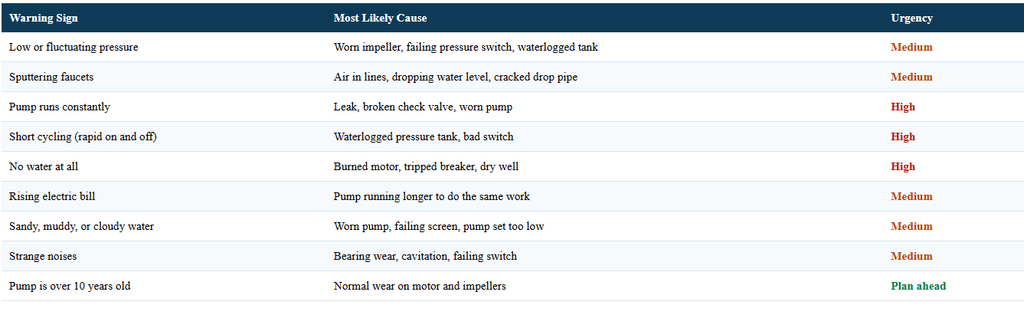
Quick Reference: Well Pump Warning Signs at a Glance
Use this table to match what you are seeing with the most likely cause. The urgency column tells you how fast to act.
How a Well Pump System Works (in 60 Seconds)
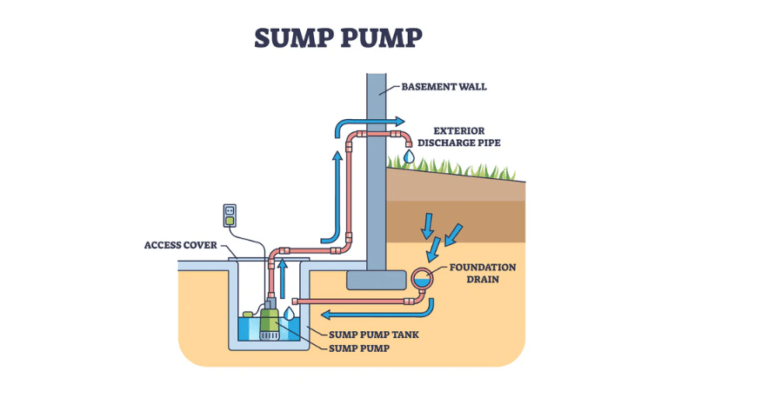
Understanding the basic setup makes the warning signs much easier to read. A submersible pump sits deep in the well and pushes water up a drop pipe into a pressure tank inside your home. A pressure switch turns the pump on when pressure falls to a set point, often 40 psi, and off when it reaches the upper setting, often 60 psi.
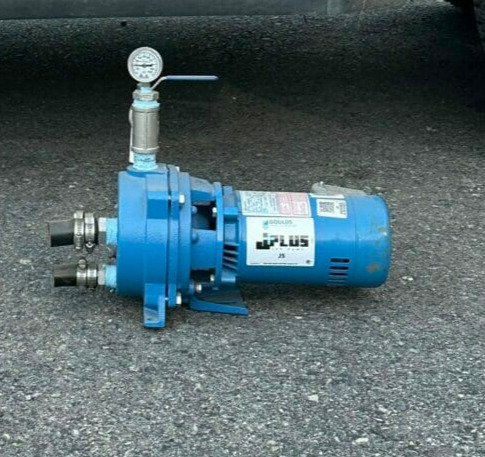
Shallow wells under about 25 feet often use a jet pump that sits above ground instead. Either way, the pump, pressure tank, and pressure switch work as a team. A problem in any one of them can look like a pump failure, which is why diagnosis matters before you spend money.
9 Signs Your Well Pump Is Failing
1. Low or Fluctuating Water Pressure
This is the most common early warning. If your shower weakens when someone flushes a toilet, or pressure surges and drops throughout the day, the pump may no longer be producing its rated flow. Worn impellers lose efficiency gradually, so the change can be easy to miss.
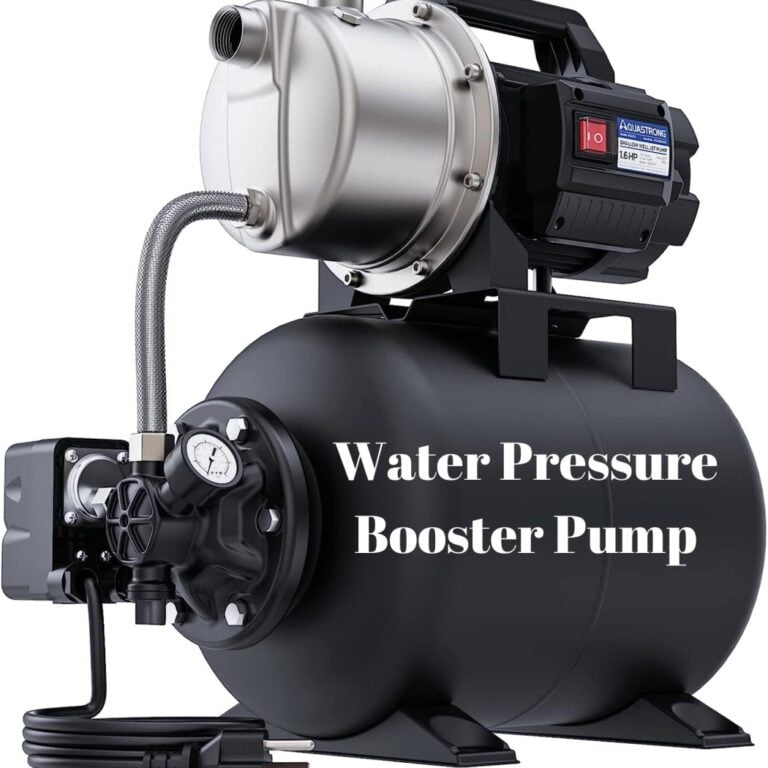
Check the pressure gauge near your tank first. If it never reaches the cut out pressure, or takes far longer than usual to get there, the pump is struggling. If your fixtures need more pressure even when the pump is healthy, a water pressure booster pump may be the better fix.
2. Sputtering Faucets and Spitting Air
Air bursts from your taps mean air is getting into the system somewhere. The water level in the well may be dropping close to the pump intake, or there may be a crack or loose joint in the drop pipe. In dry summer months, a falling water table is a frequent culprit.
Occasional sputtering after a power outage is normal. Constant spitting is not, and running a pump that keeps sucking air can overheat and burn the motor.
3. The Pump Runs Constantly
A healthy pump runs in short bursts and then rests. If you hear it running nonstop, or the pressure switch never clicks off, something is wrong. Common causes include a hidden leak, a stuck check valve that lets water drain back down the well, or a pump too worn to reach cut out pressure.
This one is urgent. Continuous running wears out the motor quickly and can run up a large electric bill in days.
4. Short Cycling: Clicking On and Off Rapidly
Short cycling means the pump turns on and off every few seconds when you use water. Most of the time the real problem is a waterlogged pressure tank that has lost its air charge, not the pump itself. Every start sends a surge of current through the motor, so frequent cycling shortens pump life dramatically.
Pump manufacturers generally recommend no more than about 300 starts per day for a typical residential submersible. Short cycling can blow past that number before lunch.
5. No Water at All
Total loss of water is the most alarming sign, but it is not always a dead pump. Start with the simple checks: the breaker, the pressure switch contacts, and any fuse or control box. Only then should you suspect the motor, a broken wire in the well, or a well that has gone dry.
Safety first: Always turn off the breaker before touching the pressure switch or control box. These circuits are typically 240 volts and can be lethal. If you are not comfortable with electrical work, call a licensed well contractor.
6. A Sudden Spike in Your Electric Bill
Your well pump is one of the larger electrical loads in a rural home. When it wears out, it has to run longer to deliver the same amount of water, and your utility bill shows it. A jump of 20 percent or more with no other change in household use deserves a closer look.
A clamp meter on the pump circuit can confirm whether the motor is drawing higher than normal amps. Compare the reading with the rating on the control box or the pump’s data plate.
7. Dirty, Sandy, or Cloudy Water
Sand and silt in your water can mean the pump is set too close to the bottom of the well, the well screen is failing, or the pump is pulling harder than the aquifer can supply. Sand is abrasive and acts like sandpaper on impellers, accelerating wear. Sediment that shows up suddenly after years of clear water is a red flag.
A spin down sediment filter protects fixtures in the meantime, but it does not fix the root cause. Have the well and pump depth checked.
8. Strange Noises From the Tank or Wellhead
Grinding, humming, rattling, or rapid clicking are not normal sounds. Grinding from a jet pump often points to worn bearings, while humming without water flow can mean a seized motor or failing start capacitor. Rapid clicking at the pressure switch usually goes hand in hand with short cycling.
Submersible pumps are hard to hear directly, so pay attention to what you hear at the pressure tank and control box instead.
9. Your Pump Is Simply Getting Old
Age itself is a warning sign. Once a pump passes 10 years, it is worth budgeting for replacement even if it seems fine. Pumps in hard water, sandy wells, or homes with heavy irrigation use often fail well before the 14 year average.
If you do not know the pump’s age, check the installation records or the date on the pressure tank. Your original driller may also have a record on file.
A Story From the Field

The lesson is simple. Gradual changes are still warnings, and they are cheaper to fix when you catch them early.
Is It the Pump, the Tank, or the Switch? Quick DIY Checks
Before you call for a pump pull, which often costs several hundred dollars on its own, run these checks:
- Check the breaker and control box. Reset a tripped breaker once. If it trips again, stop and call a professional.
- Watch the pressure gauge. Note the cut in and cut out pressures and how long the pump takes to refill the tank.
- Test the tank air charge. Turn off the pump, drain the tank, and check the air valve with a tire gauge. It should read about 2 psi below the cut in pressure.
- Tap the tank. A healthy tank sounds hollow at the top. A tank that sounds full all the way up is likely waterlogged.
- Look for leaks. Check toilets, outdoor spigots, and visible pipe runs for drips or wet spots.
If the tank and switch check out and the problems continue, the pump itself is the likely suspect.
Repair or Replace? What It Usually Costs
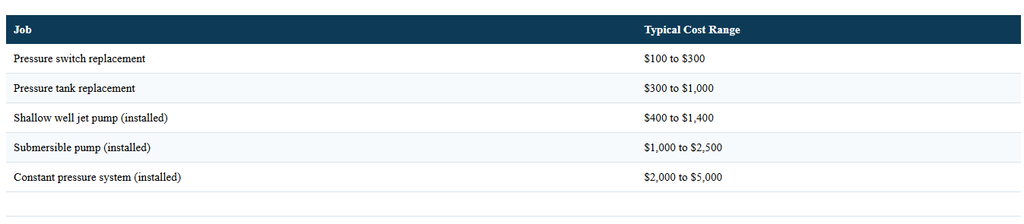
Pump cost ranges from American Home Shield. Switch and tank ranges are typical contractor pricing and vary by region and well depth.
As a rule of thumb, replace rather than repair if the pump is over 10 years old and the repair would cost more than half the price of a new unit. Deep wells push costs higher because more pipe and wire must be pulled and reset.
If you are considering going off grid, our solar pump sizing calculator will help you match a solar submersible to your well depth and daily water needs.
How to Extend the Life of Your Well Pump
- Check tank air pressure once a year. A correctly charged tank is the cheapest way to prevent short cycling.
- Install a pump protection device. A dry run pump protector shuts the motor off if the water level drops too low.
- Keep a working pressure gauge. A cheap 0 to 100 psi pressure gauge is your best early warning tool.
- Filter sediment. A spin down sediment filter protects fixtures and makes sand problems obvious.
- Protect storage tanks. If you pump into a cistern, a reliable float switch stops overfilling and dry running.
- Test your water annually. The National Ground Water Association recommends yearly well inspections and water testing.
Frequently Asked Questions
How long does a well pump last?
Most residential well pumps last 8 to 15 years, with an average of about 14 years. Sandy water, hard water, and frequent short cycling can shorten that significantly.
Can a well pump fail suddenly?
Yes, especially after a lightning strike or power surge. However, most pumps show gradual warning signs like weak pressure or longer run times before they fail completely.
How do I know if it is my pump or my pressure tank?
Short cycling usually points to the pressure tank, while weak pressure with long run times points to the pump. Check the tank air charge first because it is the cheaper and easier fix.
Should I replace my pressure tank when I replace the pump?
If the tank is over 10 years old, replacing both at once often saves on labor. A new pump paired with a failing tank will short cycle and wear out early.
Not sure what is going on with your system? Start with the quick checks above, then contact our team with your symptoms, well depth, and pump age. Learn more about the drilling experience behind our advice on our About page.
The Bottom Line
The signs your well pump is failing are rarely silent. Weak pressure, sputtering taps, constant running, rising power bills, and sandy water are all early warnings that give you time to act. Check the simple things first, protect the pump from dry running and short cycling, and plan for replacement once it passes the 10 year mark.
A small investment in monitoring today can save you thousands of dollars and days without water tomorrow.