How to Use a Cordless Chainsaw
A cordless chainsaw is one of the most useful tools you can own for yard work, storm cleanup, firewood prep, and general property maintenance.
But if you have never used one before, picking it up for the first time can feel intimidating. The good news is that using a cordless chainsaw is straightforward once you understand the basics.
This guide walks you through everything you need to know.
From getting your gear on before you start, to making your first cut safely, to storing the saw correctly when the job is done. Follow these steps and you will be cutting with confidence in no time.
| 📋 What This Guide CoversSafety gear and pre-use checklist, how to set up and prepare your saw, correct body positioning and grip, step by step cutting techniques, common mistakes to avoid, and proper maintenance after use. |
Table of Contents
Step 1: Wear the Right Safety Gear

Before you touch the saw, put on your personal protective equipment.
Cordless chainsaws are much quieter and cleaner than gas models, but they are just as capable of causing serious injury if used carelessly. Proper gear is not optional.
Essential safety gear for cordless chainsaw use:
• Chainsaw chaps or chainsaw trousers: These are cut resistant leg coverings designed to stop a chain before it reaches your skin. They are the single most important piece of protective clothing you can wear.
• Safety helmet with face shield or safety glasses: Flying wood chips, sawdust, and bark can hit your face and eyes at high speed. A face shield gives full coverage. Safety glasses are the minimum acceptable option.
• Heavy duty gloves: Thick work gloves protect your hands from vibration, splinters, and accidental contact with the chain.
• Steel toe boots or chainsaw boots: Your feet are directly below the cutting area. Solid footwear protects against dropped logs and accidental contact with the bar.
• Ear protection: Cordless chainsaws are quieter than gas models, but prolonged use can still cause hearing fatigue. Foam earplugs or ear defenders are a smart precaution.
| ⚠️ Safety WarningNever operate a chainsaw in shorts, sandals, or without eye protection. Even a brief moment of inattention can result in a serious cut. Protective gear exists because accidents happen to experienced users too, not just beginners. |
Step 2: Prepare and Inspect Your Saw
Before every use, spend two minutes inspecting your cordless chainsaw. This habit prevents accidents and extends the life of your tool.
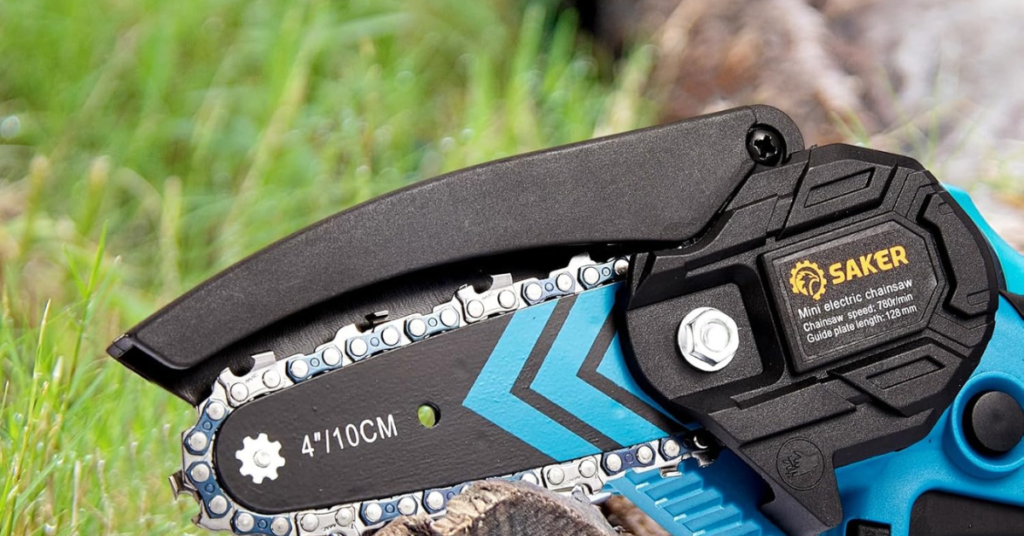
Pre-use inspection checklist:
1. Check the chain tension. The chain should sit snugly against the guide bar without sagging underneath it. You should be able to pull it away from the bar slightly by hand, but it should spring back into place. A loose chain can derail during a cut, which is both dangerous and damaging to the bar.
2. Check the chain sharpness. Run a fingernail lightly across a cutting tooth. A sharp chain will catch and scratch your nail. A dull chain will slide right off. Dull chains require more force, cause the saw to wander during cuts, and increase the risk of kickback.
3. Check the oil level. Locate the bar and chain oil reservoir on your saw and confirm it is adequately filled. Most saws have a small transparent window to check oil level. Never run the saw with an empty oil reservoir. The chain will overheat and the bar will be permanently damaged within minutes.
4. Check the battery charge. Insert a fully charged battery before you start. A low battery reduces chain speed, which makes cuts less clean and increases the physical effort required from you.
5. Inspect the bar and chain for damage. Look for cracks in the guide bar, bent or missing drive links in the chain, or any debris lodged between the chain and bar. Clear any visible debris before starting.
Step 3: Set Up Your Work Area
Where and how you position yourself before the first cut matters enormously. A well prepared work area prevents trips, keeps bystanders safe, and gives you room to move freely.
• Clear the ground around you. Remove loose branches, rocks, and any objects you could trip over. You need a stable, clear footing at all times.
• Keep bystanders back at least 15 feet. Flying chips travel further than most people expect. Children and pets should be kept well away from any active cutting.
• Identify where the wood will fall. Before you cut, think about where the piece you are cutting will land. Make sure there is nothing underneath it and that the direction of fall is clear.
• Never cut on a surface that could pinch the bar. If a log is resting on the ground at both ends, cutting in the middle will cause the bar to become pinched as the wood closes around it. Always support the wood so the cut piece can fall or move away freely.
• Work on flat, stable ground wherever possible. Avoid cutting on steep slopes unless you are experienced and have proper footing.
Step 4: Learn the Correct Grip and Stance
Good technique starts with how you hold the saw and how you position your body. Incorrect grip and stance are the leading causes of fatigue and loss of control.
Grip
Always hold the saw with both hands. Your dominant hand grips the rear handle and operates the throttle trigger. Your other hand wraps firmly around the front handle bar.
Your thumb on the front hand should wrap underneath the bar so that it is on the opposite side from your fingers. This is called a thumb wrap grip and it helps you maintain control if kickback occurs.
Stance
Stand with your feet shoulder width apart and your body slightly to the left of the cutting line, not directly behind it. Bending your knees slightly keeps your center of gravity low.
Keep the saw close to your body rather than extending your arms fully. A saw held close to your body is far easier to control than one held at arm length.
Kickback Awareness
Kickback is the sudden upward and backward movement of the saw that happens when the upper tip of the bar contacts an object unexpectedly. It is the most dangerous event that can occur during chainsaw use. To minimize kickback risk, never cut with the tip of the bar, always engage the chain brake before repositioning, and keep a firm two handed grip at all times.
Step 5: Make Your First Cut
With your gear on, your saw prepared, and your stance correct, you are ready to cut. Here is how to do it properly.
6. Start the saw away from the wood. Press and hold the safety trigger, then squeeze the main throttle trigger. Let the chain reach full speed before touching the wood.
7. Bring the moving chain to the wood gently. Do not push or force the saw into the cut. Let the chain do the work. Apply light forward pressure and allow the chain to feed itself through the material.
8. Keep the saw flat and level through the cut. Twisting or tilting the bar mid cut can bind the chain and cause the saw to kick or stall.
9. Let the cut piece fall away naturally. Once the cut is complete, the chain will exit the wood cleanly. Release the throttle immediately after finishing each cut and allow the chain to stop before repositioning.
10. Engage the chain brake when moving between cuts. Most saws have a front hand guard that doubles as a chain brake lever. Push it forward to stop the chain whenever you are walking, repositioning, or pausing. This is a non negotiable safety habit.
Step 6: Common Mistakes to Avoid
Even after reading a thorough guide, new users make predictable errors. Being aware of these in advance helps you avoid them.
• Cutting with a dull chain. A dull chain produces sawdust instead of wood chips, requires far more effort, and wanders off the cut line. Sharpen or replace the chain as soon as cutting performance drops noticeably.
• Running the saw with no bar oil. The chain and bar will overheat within minutes and suffer permanent damage. Always check oil before starting.
• Cutting with the tip of the bar. The tip is the kickback zone. Avoid using it to start cuts or to cut in confined spaces.
• Standing directly behind the saw. Position yourself slightly to the side so that if kickback occurs, the saw moves away from your body rather than toward it.
• Ignoring chain tension. A chain that is too loose will derail. A chain that is too tight will increase friction and wear out the bar prematurely. Check tension before every use.
Step 7: Clean and Store Your Saw After Use
How you care for your cordless chainsaw after use directly affects how long it lasts and how well it performs next time.
11. Remove the battery before cleaning. Always disconnect power before doing anything with the bar, chain, or body of the saw.
12. Wipe down the body of the saw with a dry cloth. Remove sawdust, wood chips, and oil residue from all surfaces, particularly around the chain sprocket and oil port.
13. Clean the guide bar groove. The groove that the chain runs in can collect compacted sawdust over time, which reduces lubrication flow. Use a small pick or the edge of a flathead screwdriver to clear the groove.
14. Check and refill the bar oil reservoir. Starting your next session with a full oil tank is far better than discovering it is empty mid cut.
15. Store with the bar cover on. The plastic bar cover protects the chain teeth from damage and protects you from accidental contact during storage. Store the saw in a dry location away from direct sunlight and extreme heat.
16. Store batteries at partial charge. Lithium ion batteries last longest when stored between 40 and 80 percent charge. Avoid leaving the battery fully depleted or fully charged for extended periods.
Final Thoughts
Using a cordless chainsaw safely and effectively comes down to three things: preparation, technique, and consistent habits.
Wear your protective gear every single time without exception. Inspect the saw before every use. Hold it correctly, stand to the side of the cut, and let the chain do the work rather than forcing it.
Cordless chainsaws have made powerful, convenient cutting accessible to homeowners who would never have considered a gas saw.
With the right approach, yours will serve you reliably for years. Follow the steps in this guide on your first few uses and they will quickly become second nature.
Looking for the right cordless chainsaw to get started with?
Check out our guide to the Best Cordless Chainsaw in 2026 for our top picks at every budget level.