How to Build a Starter Tool Kit for Under $300
Building your first tool kit does not have to drain your bank account. With a smart shopping strategy and the right priorities, you can put together a solid starter set for under $300 that handles most home repairs, DIY projects, and weekend builds. This guide walks you through exactly what to buy and why each tool earns its place.
We independently evaluate all of our recommendations. If you click on the links we provide, we may receive compensation.
Table of Contents
- 1 Why a Budget Tool Kit Still Works Hard
- 2 The Must Have Hand Tools
- 3 Your First Power Tool: The Drill Driver
- 4 Storage Keeps Your Kit Functional
- 5 Safety Gear Is Non Negotiable
- 6 Smart Ways to Stay Under $300
- 7 Tools worth Adding as Your Budget Grows
- 8 Where to Shop for the Best Value
- 9 Building Your Kit One Step at a Time
Why a Budget Tool Kit Still Works Hard
You do not need the most expensive gear to do good work. Most beginner projects require a reliable set of core tools, not a specialty collection. Spending wisely on essentials now means you build confidence, learn what you actually use, and upgrade selectively later based on real experience rather than guesswork.
The Must Have Hand Tools
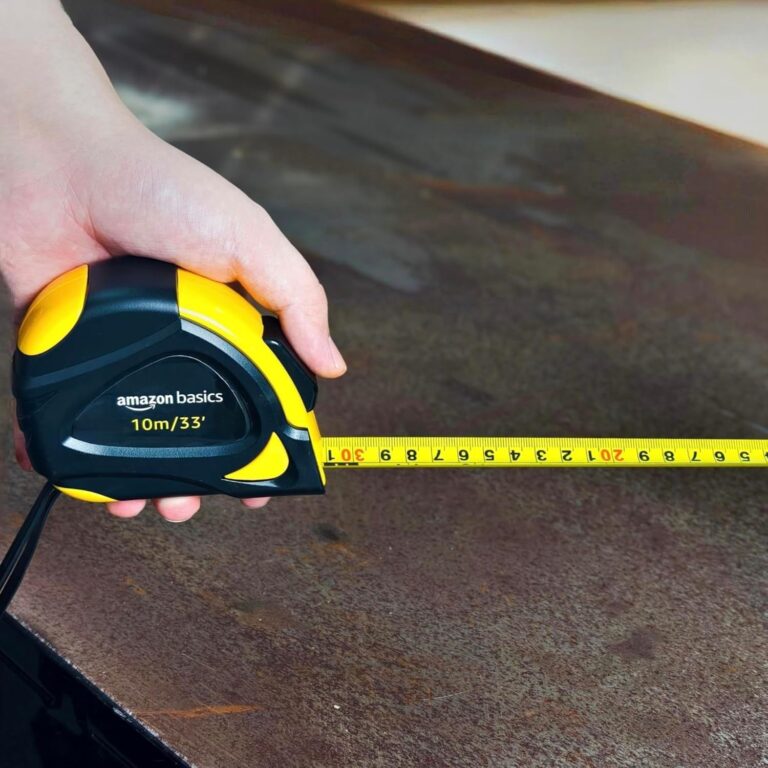
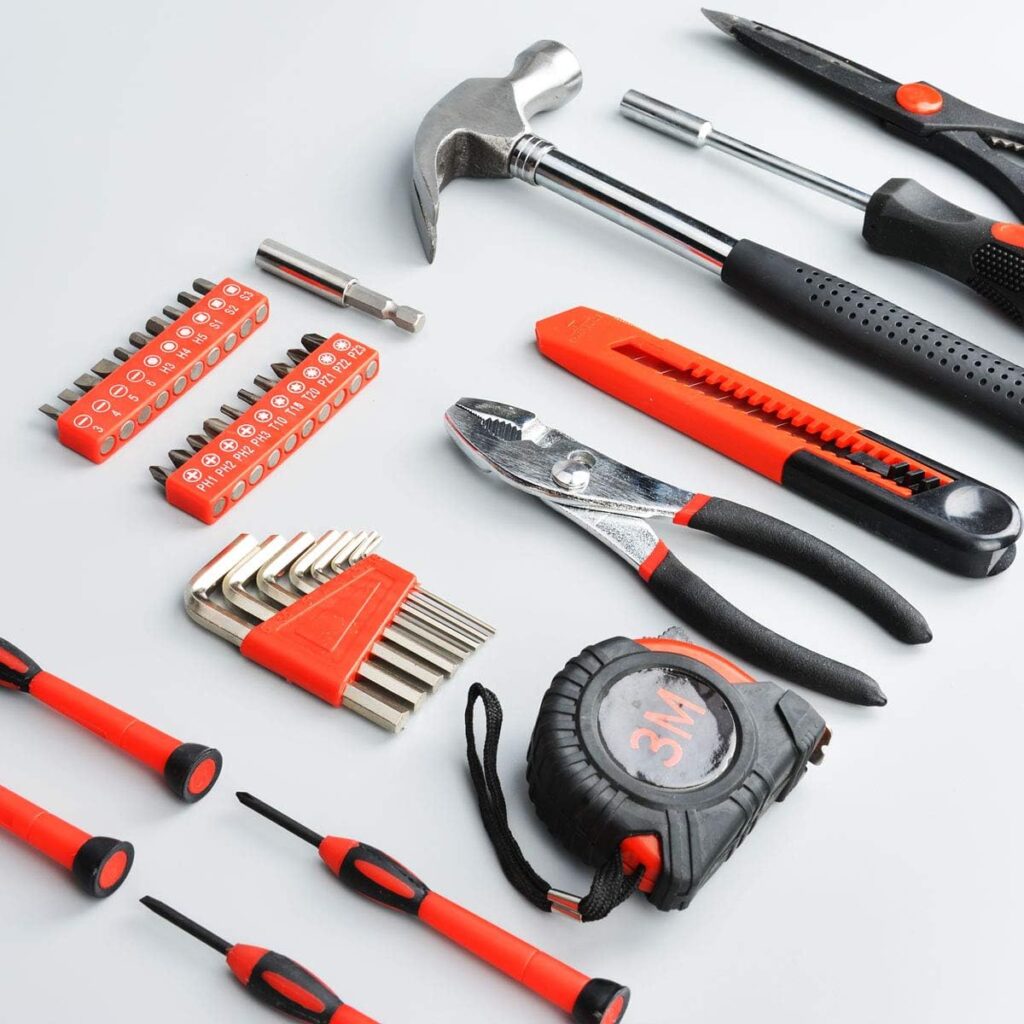
Start with hand tools since they are versatile, require no power source, and last for years when made well. Your list should include a 16 oz claw hammer, a set of Phillips and flathead screwdrivers in multiple sizes, a tape measure of at least 25 feet, a torpedo level, needle nose pliers, and a pair of locking pliers. A utility knife and a set of hex keys round out this section perfectly. These items handle the majority of everyday tasks from hanging frames to assembling furniture.
Your First Power Tool: The Drill Driver
If you only buy one power tool to start, make it a cordless drill driver. It drives screws, bores holes, and saves you enormous amounts of time compared to hand tools. Look for a model with at least 18 volts, two batteries, a charger, and a carrying case.
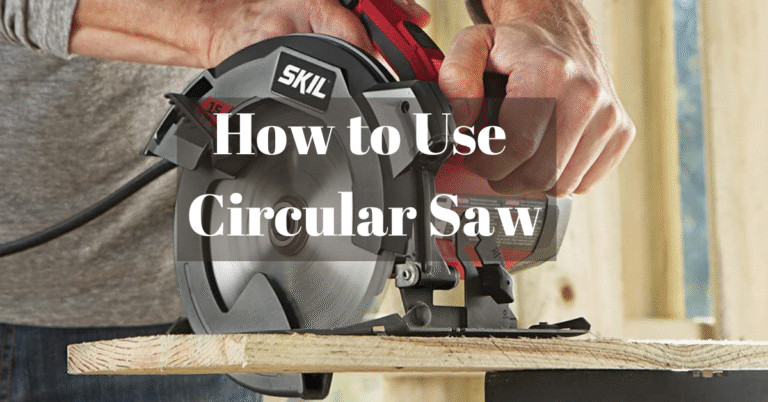
Many brands offer starter kits that bundle a drill with a circular saw or a jigsaw, giving you more value from a single purchase. A drill driver opens up dozens of project types that would otherwise be impractical.
Storage Keeps Your Kit Functional
Loose tools get lost, damaged, and create safety hazards. Even a basic plastic toolbox or a canvas tool bag protects your investment and keeps everything in one place. If your budget allows, a small rolling cart gives you better organization as your collection grows. Proper storage is not just convenience. It is how you make sure your tools stay in working condition long term.
Safety Gear Is Non Negotiable
No tool kit is complete without protection. Allocate a portion of your budget for safety glasses, work gloves, and hearing protection. These items are inexpensive relative to the cost of an injury. Safety glasses protect against flying debris any time you cut, drill, or hammer. Gloves reduce blisters and protect against sharp edges.
Ear protection matters whenever you run power tools for extended periods.
Smart Ways to Stay Under $300
Stretch your budget by buying combo kits instead of individual tools. Power tool brands frequently bundle a drill with one or two other tools at a price well below buying each separately. Look for manufacturer refurbished options from reputable sellers, which often come with the same warranty as new units. Avoid buying tools you have no immediate use for.
A starter kit built around your first two or three projects will serve you better than a large unfocused collection.
Tools worth Adding as Your Budget Grows
Once you have the basics covered, think about expanding with a random orbital sander, a stud finder, a speed square, and a set of wood chisels. These tools handle more detailed work and significantly expand what you can build or repair. You do not need them on day one, but each one will earn its place quickly once you start taking on more ambitious projects.
Where to Shop for the Best Value
Amazon is one of the most reliable places to build your starter kit because you can compare multiple brands side by side, read verified reviews from real users, and take advantage of fast shipping. Using the right search terms helps you find bundles and deals that are not always visible in physical stores.
Check the “frequently bought together” and “customers also viewed” sections for ideas on rounding out your kit without overspending.
Building Your Kit One Step at a Time
You do not need to buy everything at once. Prioritize your hand tools and a drill driver first since these cover the widest range of tasks. Add safety gear at the same time. From there, let your actual projects guide what you buy next. This approach keeps you under budget, prevents clutter, and ensures every tool in your kit gets used.
A well-chosen starter set under $300 will surprise you with how much it can accomplish.
Also Read On:
Best Stick Welders for Farm and Ranch Use