Best Drill Bits for Porcelain Tile.
An Expert Guide to Clean Cuts Every Time
Drilling through porcelain tile is one of the most unforgiving tasks in tiling work. The material is dense, brittle, and will crack the moment you use the wrong bit.
You need precision tools designed specifically for porcelain, not generic masonry bits. This guide breaks down what separates a quality porcelain drill bit from an average one and helps you choose the right option for your project.
We independently evaluate all of our recommendations. If you click on links we provide, we may receive compensation.
Table of Contents
Why Porcelain Demands Specialized Bits
Porcelain sits at the top of the hardness scale among tile materials, typically rated between 7 and 8 on the Mohs scale.
Standard masonry or ceramic bits generate too much friction and heat, which causes the tile surface to chip or crack outward. You need bits specifically engineered to handle that hardness while keeping heat buildup under control.
The two features that matter most are the cutting edge material and how the bit manages heat. Diamond grit and carbide tips handle the hardness. Water cooling or variable speed drilling manages the heat. Without both, even the best technique will not save your tile.
Types of Drill Bits for Porcelain
Diamond Core Bits
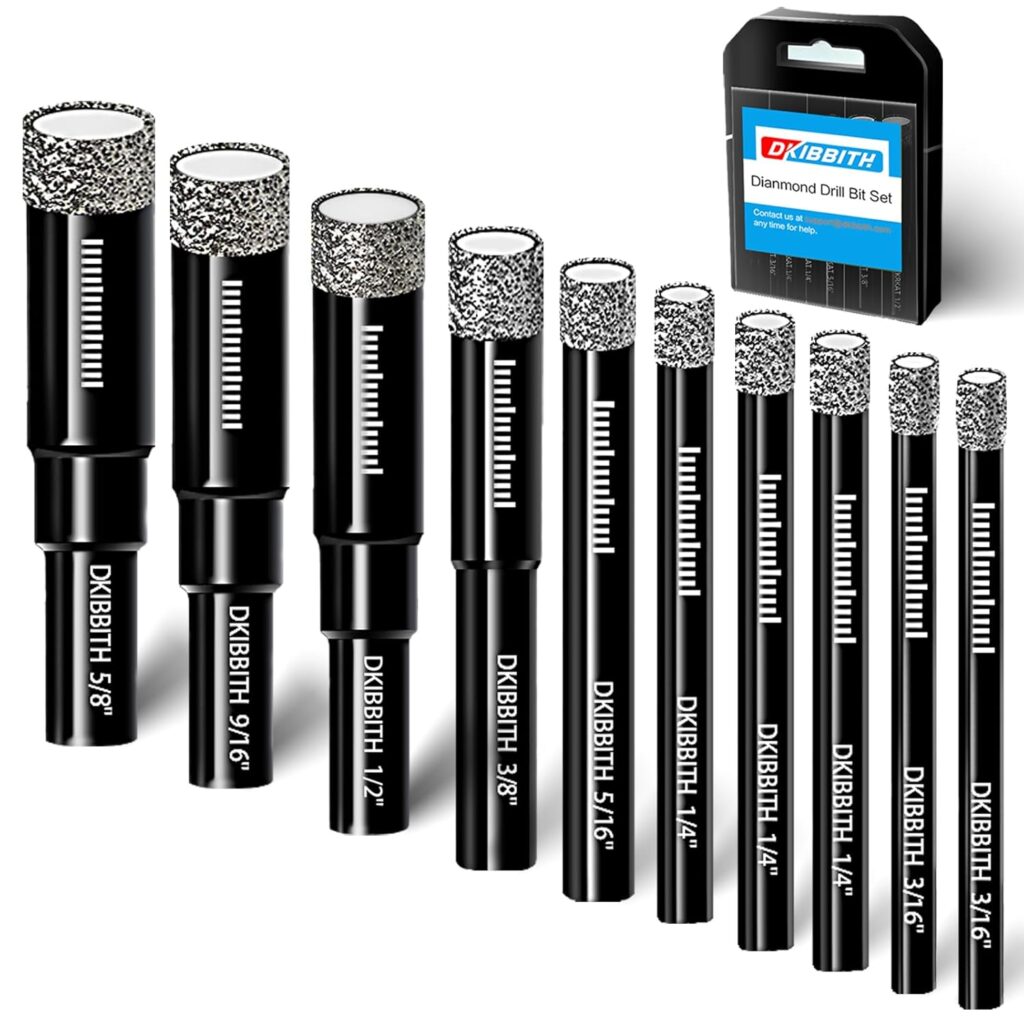
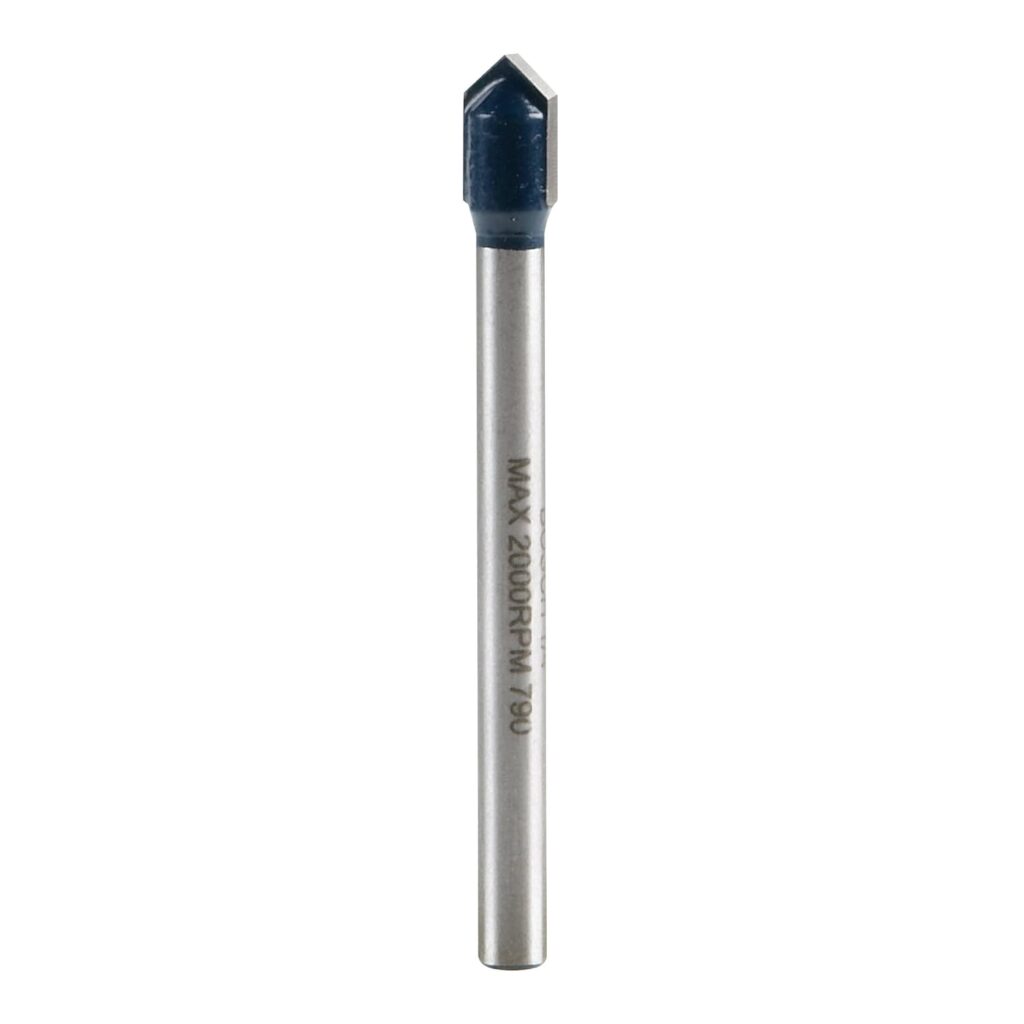
These are the gold standard for porcelain drilling. A diamond core bit uses crushed industrial diamond particles embedded in a metal matrix around the cutting edge. The result is a bit that grinds through dense porcelain rather than forcing its way through. You get a clean hole with minimal chipping.
Diamond core bits work best with a steady water supply or a suction cup dam filled with water to keep temperatures low.
You can attach a garden hose adapter or simply use a rubber ring dam with a syringe to feed water to the cutting zone. Most serious tile installers keep a set of wet diamond core bits in sizes ranging from 3/16 inch up to 4 inches for valve and pipe cutouts.
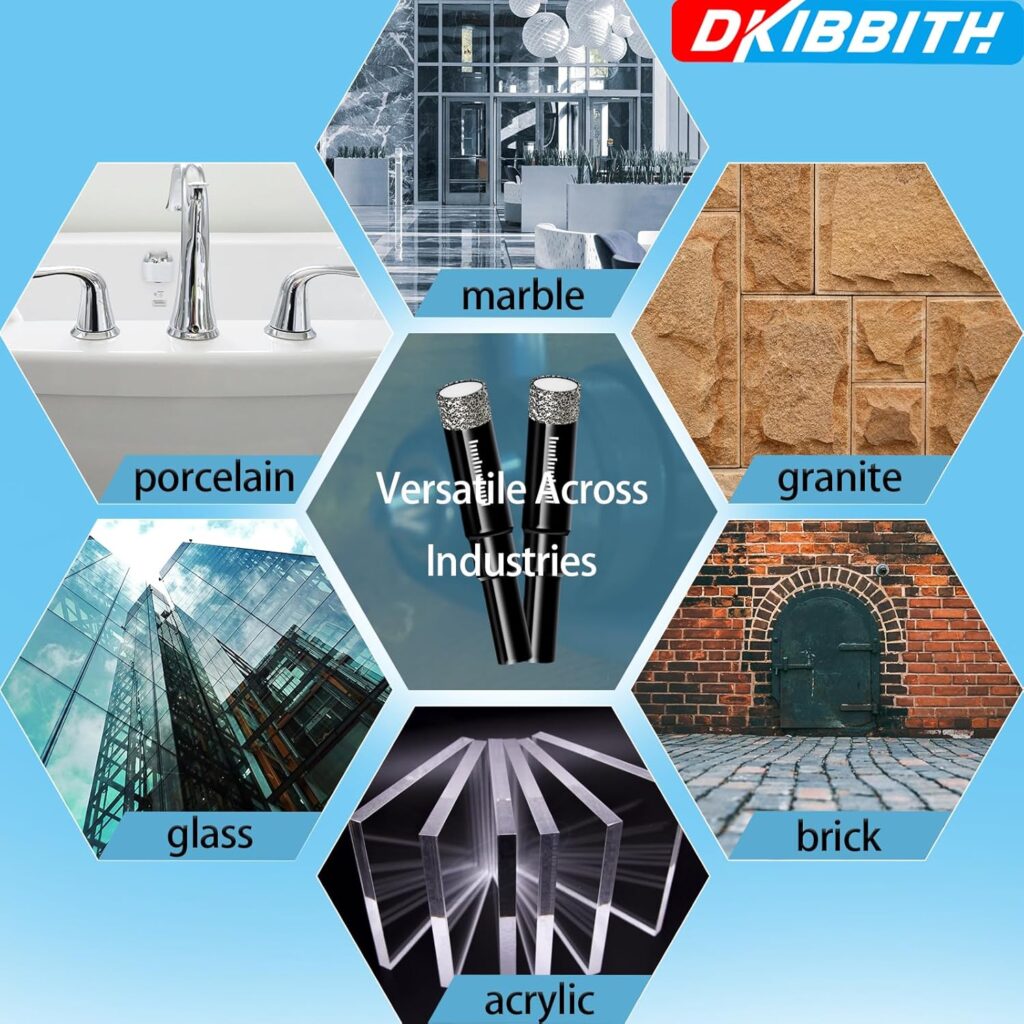
Dry Diamond Bits
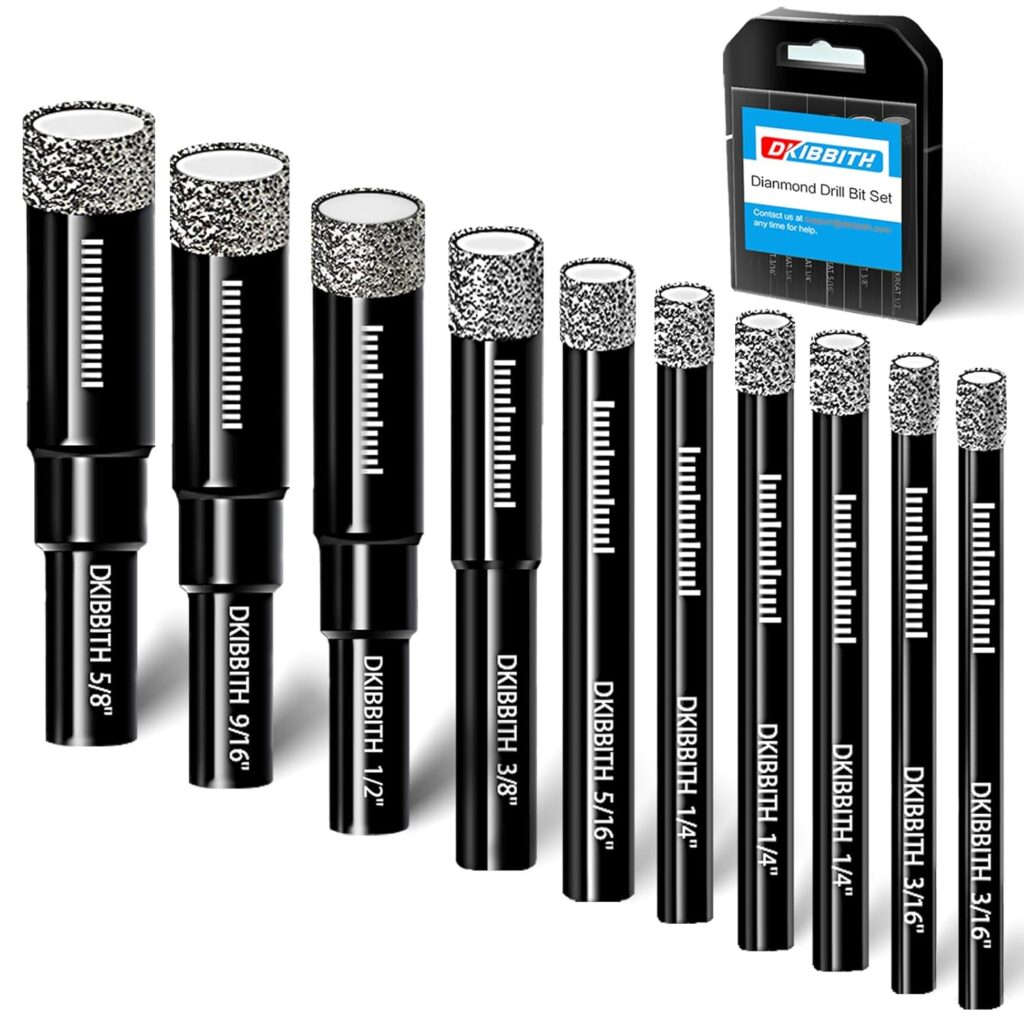
Dry diamond bits are a practical option when running water to a drill site is not feasible. They use a segmented diamond edge that allows air to flow through and carry heat away during drilling.
These bits work well for smaller diameter holes and occasional use but wear faster than wet versions under heavy workloads.
If you choose dry diamond bits, keep your drill speed in the low range, typically below 900 RPM for porcelain. Pause every few seconds to let the bit cool. Rushing a dry cut is the fastest way to crack a tile or burn out your bit.
Carbide Tipped Bits
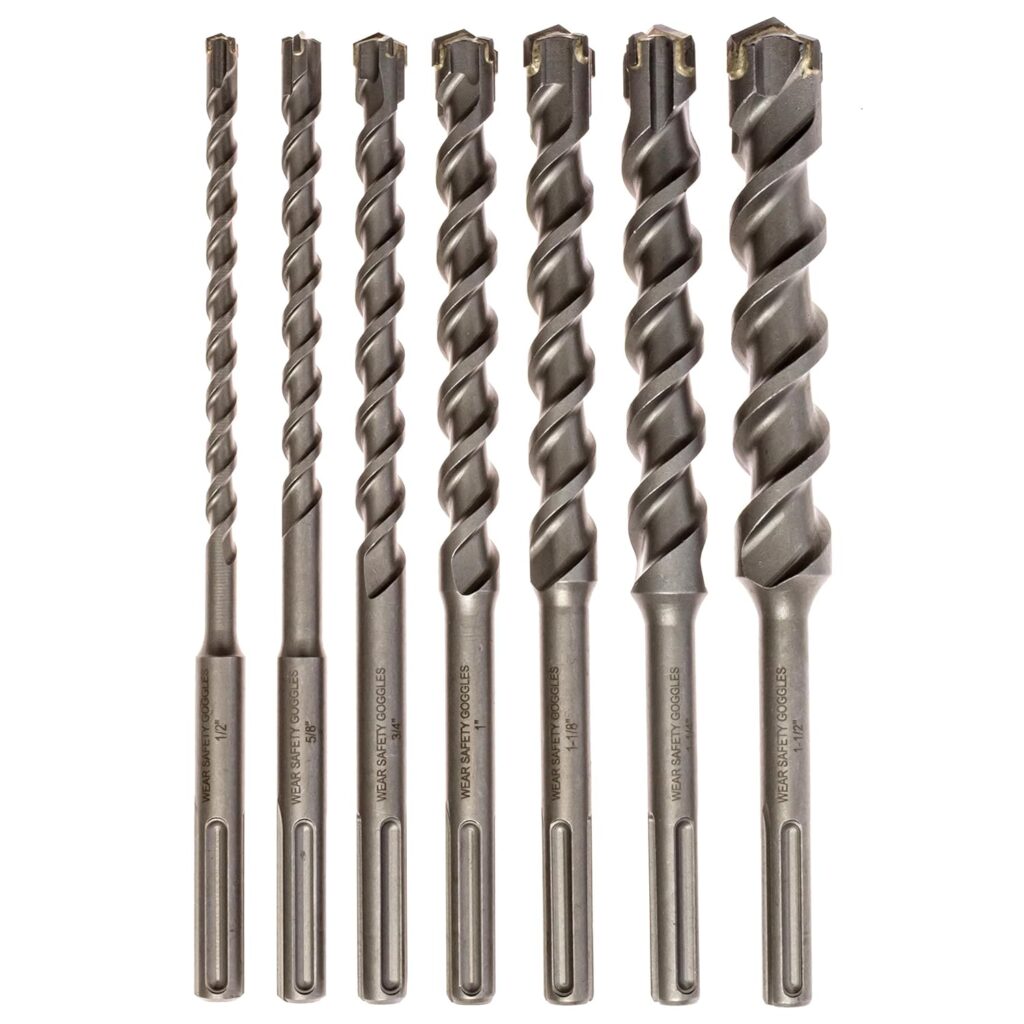
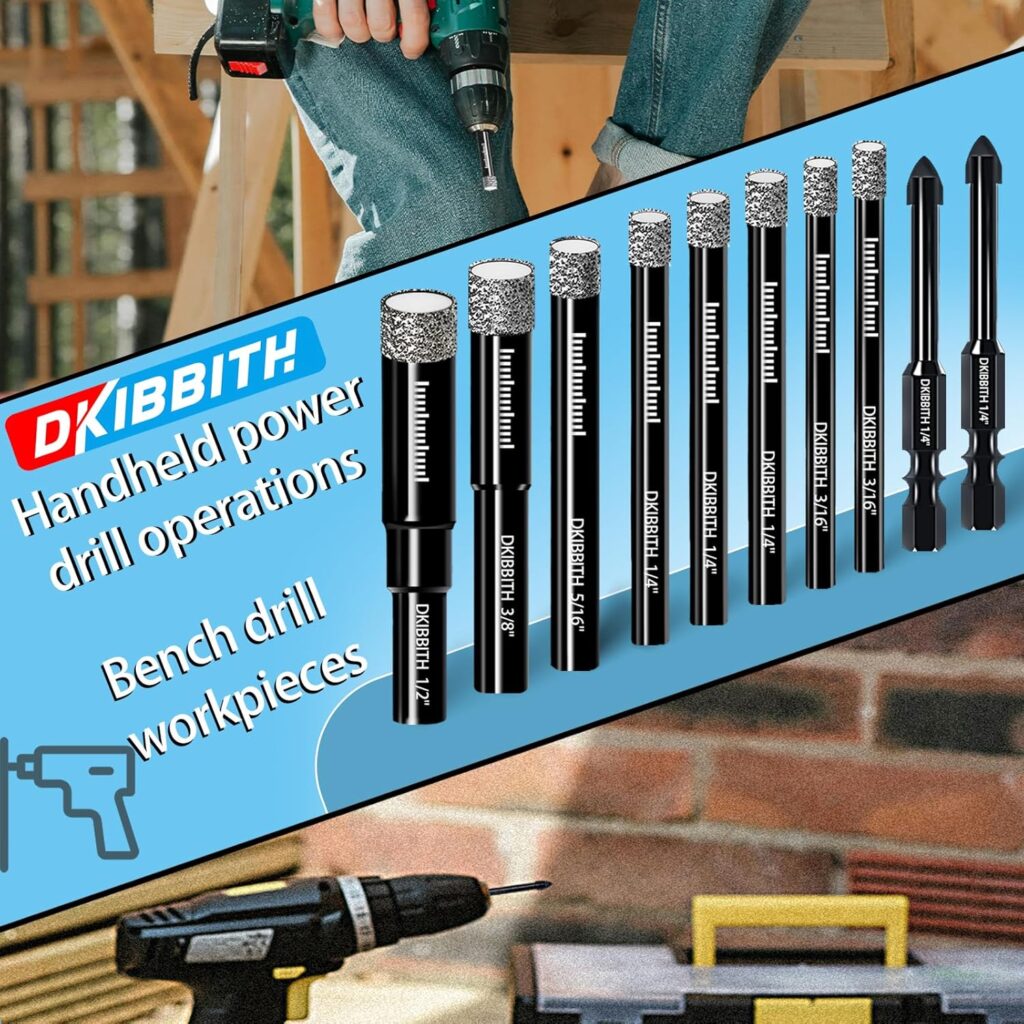
Carbide tipped bits cost less than diamond options and can handle softer porcelain tiles. They are a reasonable choice for light home improvement projects where you are drilling a handful of holes.
However, they lose sharpness quickly on high density porcelain and can crack the surface if you push too hard or run at high speeds.
Key Features to Look For
- Diamond Grit Grade: Coarser grit removes material faster but leaves a rougher edge. Finer grit gives a cleaner finish and is better for visible tile holes.
- Shank Type: Match the shank to your drill. Round shanks fit standard drills, while SDS shanks suit rotary hammer drills set to rotation only mode.
- Diameter Range: Choose a set with multiple sizes if you do regular tile work. Single fixture holes need 1/2 to 3/4 inch bits, while shower arm or pipe cutouts often need 2 inches or larger.
- Wet vs Dry Rating: Always verify the manufacturer rating before using a wet only bit dry. Misuse shortens bit life significantly.
Top Recommended Picks on Amazon
When shopping for porcelain drill bits, look for these verified options that consistently earn high ratings from contractors and DIY users alike.
| Bit Type | Best For | Amazon Link |
| Wet Diamond Core Bit | Heavy duty tile work | View on Amazon |
| Dry Diamond Bit Set | Quick fixes without water access | View on Amazon |
| Carbide Tip Bit Set | Light home projects | View on Amazon |
Drilling Technique That Protects Your Tile
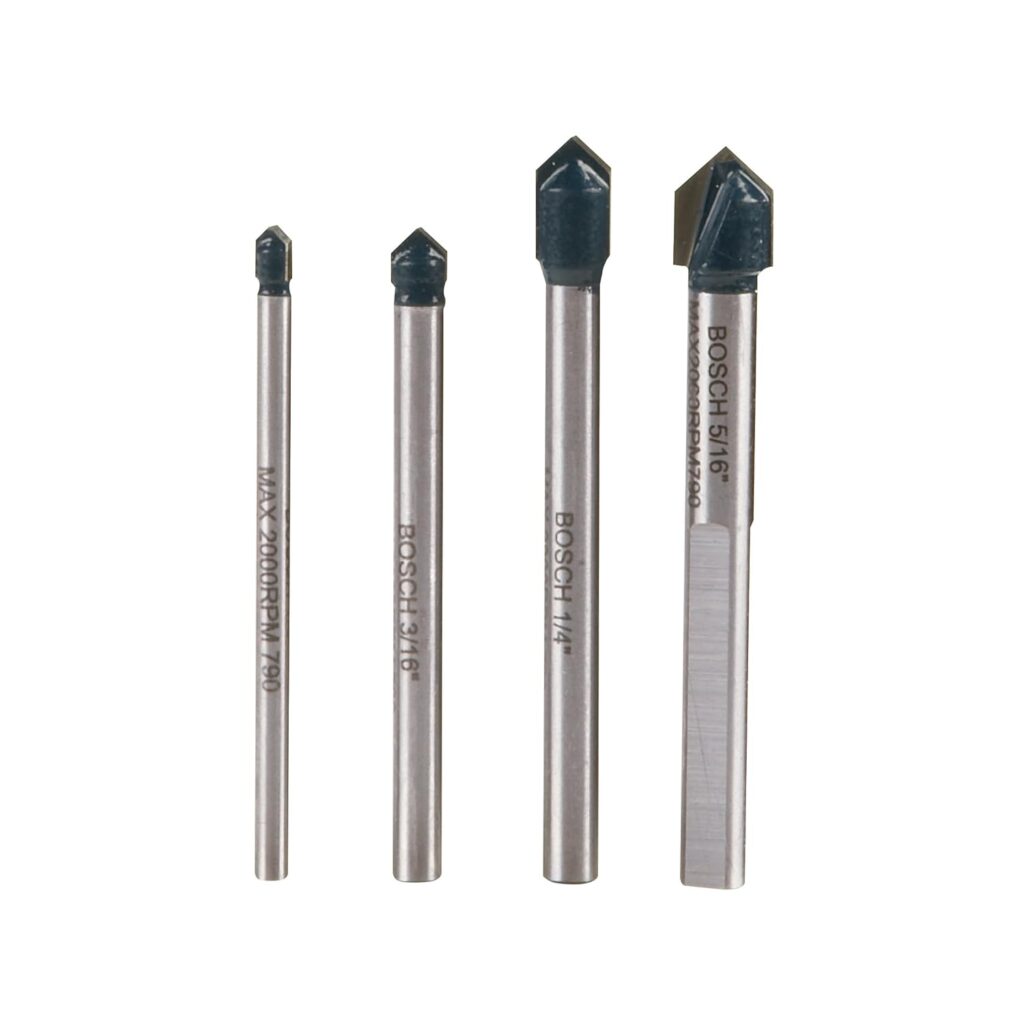
- Start with masking tape: Place a strip of tape over the drill point before you start. This gives the bit grip and prevents it from wandering on the smooth tile surface.
- Use light pressure: Let the diamond do the cutting. Pressing too hard generates heat and cracks tile. Keep the force steady and moderate.
- Keep speeds low: Stay between 300 and 600 RPM for porcelain. Higher speeds create more heat than the material can handle.
- Never use hammer mode: Porcelain cannot withstand percussive force. Use rotation only on your drill, even if you own a rotary hammer.
Final Verdict
For the best results on porcelain tile, a wet diamond core bit is your most reliable choice. If water access is not practical, a quality dry diamond bit at controlled speeds is the next best option. Carbide tips work in a pinch for soft porcelain but are not the tool for dense or glazed tiles.
Invest in the right bit before you start. Replacing a cracked porcelain tile costs far more than the bit itself. You can find top rated options on Amazon and pair the right size with your specific fixture or plumbing layout.
Also Read On: