How To Use A Pliers
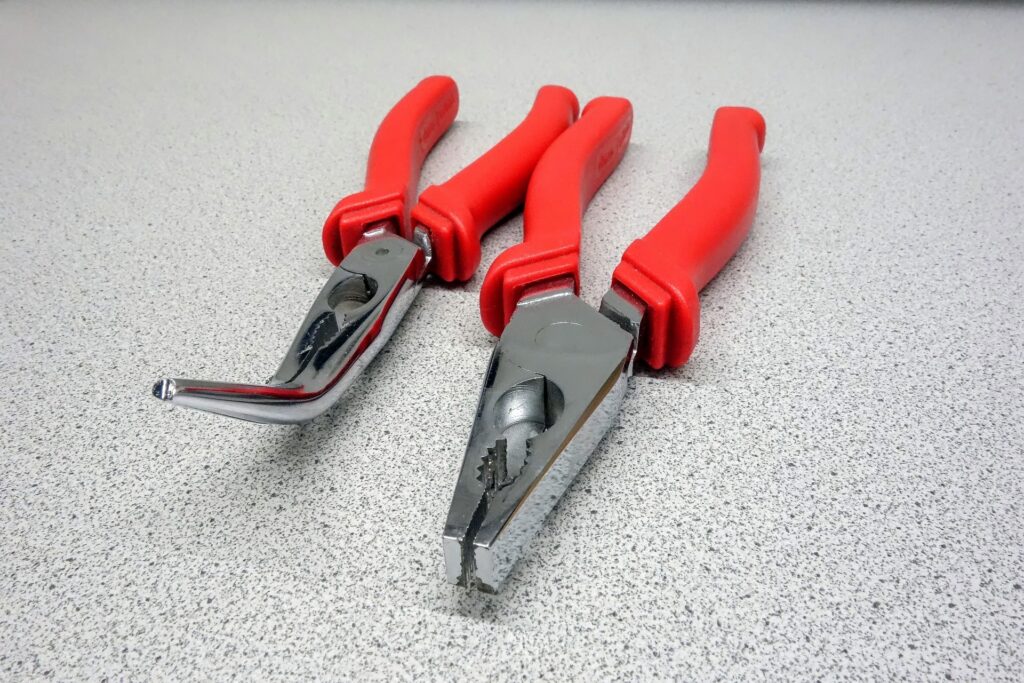
Table of Contents
How to Use Pliers Like a Pro: A Complete Beginner’s Guide
Whether you are fixing a leaky pipe, setting up electrical wiring, or working on a DIY home project, pliers are one of the most essential tools in any toolbox.
Yet many people pick them up without really knowing how to use them correctly. This guide will walk you through everything you need to know to get the most out of this versatile hand tool.
What Are Pliers and Why Do They Matter?
Pliers are hand tools designed for gripping, bending, cutting, and manipulating objects. They work through a simple pivot mechanism that multiplies the force of your hand grip.
Because they come in so many types, knowing which one to use and how to handle it correctly makes a big difference in both the quality of your work and your personal safety.
Types of Pliers You Should Know
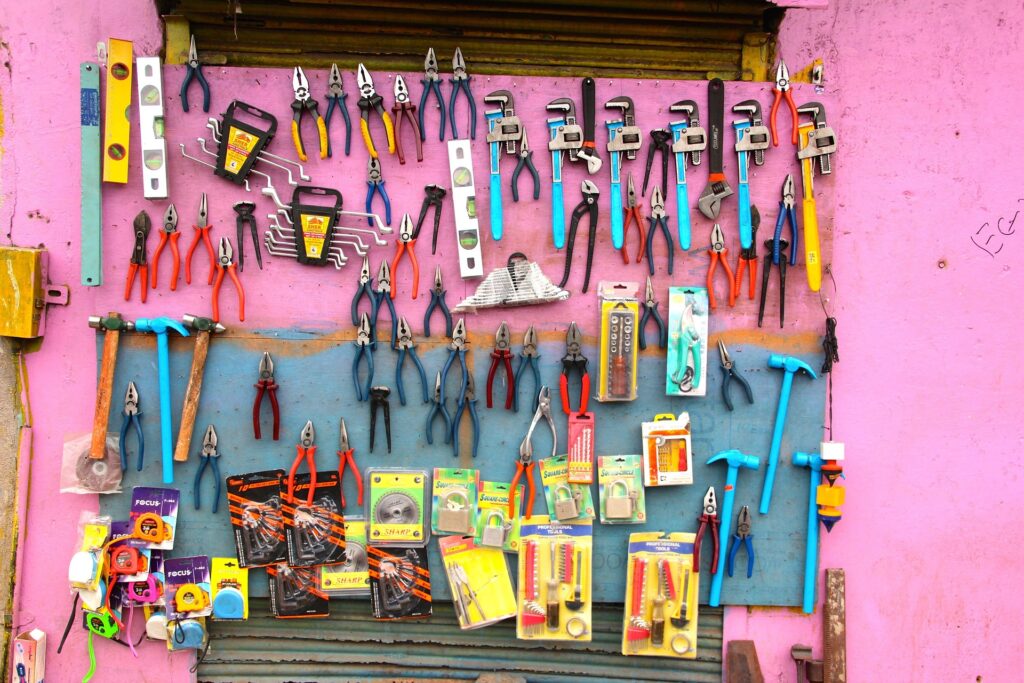
Before learning how to use pliers, it helps to understand the main types available:
Slip Joint Pliers are the classic, all purpose pliers found in most homes. The adjustable pivot point allows them to grip objects of different sizes, making them ideal for general household tasks.
Needle Nose Pliers have long, tapered jaws that are perfect for reaching into tight spaces, holding small components, or bending wire with precision.
Lineman’s Pliers are heavy duty tools used mainly for cutting and twisting electrical wire. They are a favorite among electricians and construction workers.
Locking Pliers (Vise Grips) can be locked onto an object to maintain grip without constant hand pressure. They are excellent for removing stripped bolts or holding parts together while you work.
Diagonal Cutting Pliers are designed specifically for cutting wire, cable ties, and thin metal. The angled blades give you clean, precise cuts close to the surface.
How to Hold Pliers Correctly
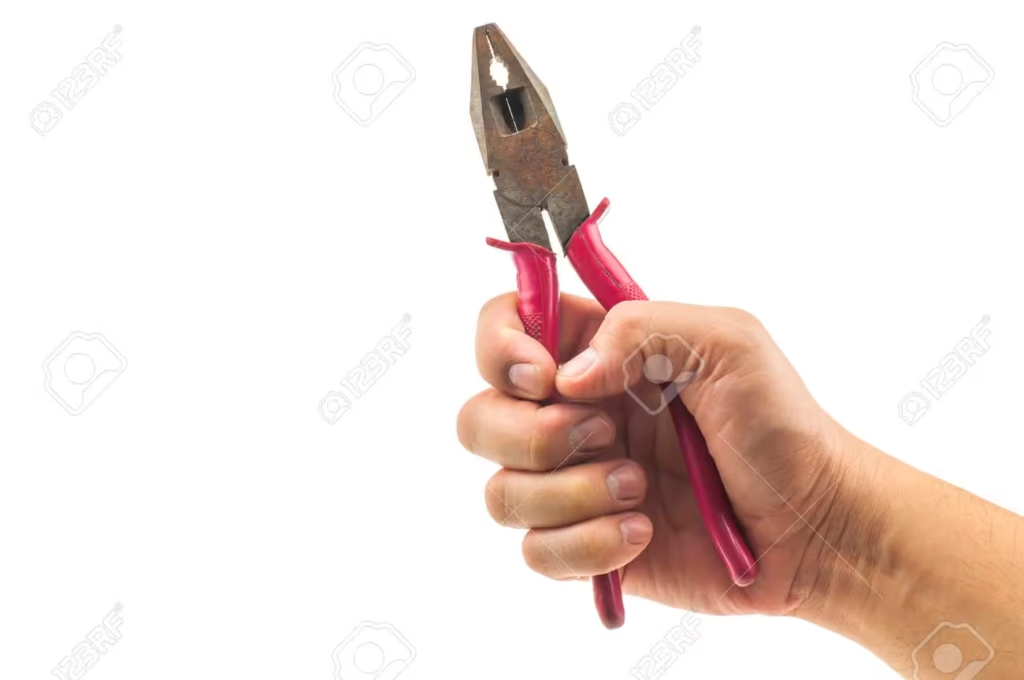
Proper grip is everything when using pliers. Follow these steps for the right technique:
- Wrap your fingers around one handle and your thumb around the other.
- Keep your wrist straight and aligned with your forearm to reduce strain.
- Apply steady, even pressure rather than sudden jerking motions.
- Always keep the pivot point clean and lightly oiled so the jaws open and close smoothly.
Avoid gripping too tightly for extended periods as this can cause hand fatigue. If you are doing repetitive work, take short breaks to rest your hand muscles.
Step by Step: Using Pliers for Common Tasks
Gripping and Holding Objects
Open the jaws wider than the object you want to grip. Position the object as deep into the jaw as possible, close to the pivot point. This gives you maximum leverage and reduces the chance of the object slipping. Apply firm pressure and work steadily.
Bending Wire or Metal
Use needle nose pliers for thin wire and lineman’s pliers for thicker gauge wire. Grip the wire at the exact point where you want the bend. Rotate your wrist in the direction of the desired bend while holding the material steady with your other hand. Make small, controlled movements to achieve the angle you need.
Cutting Wire
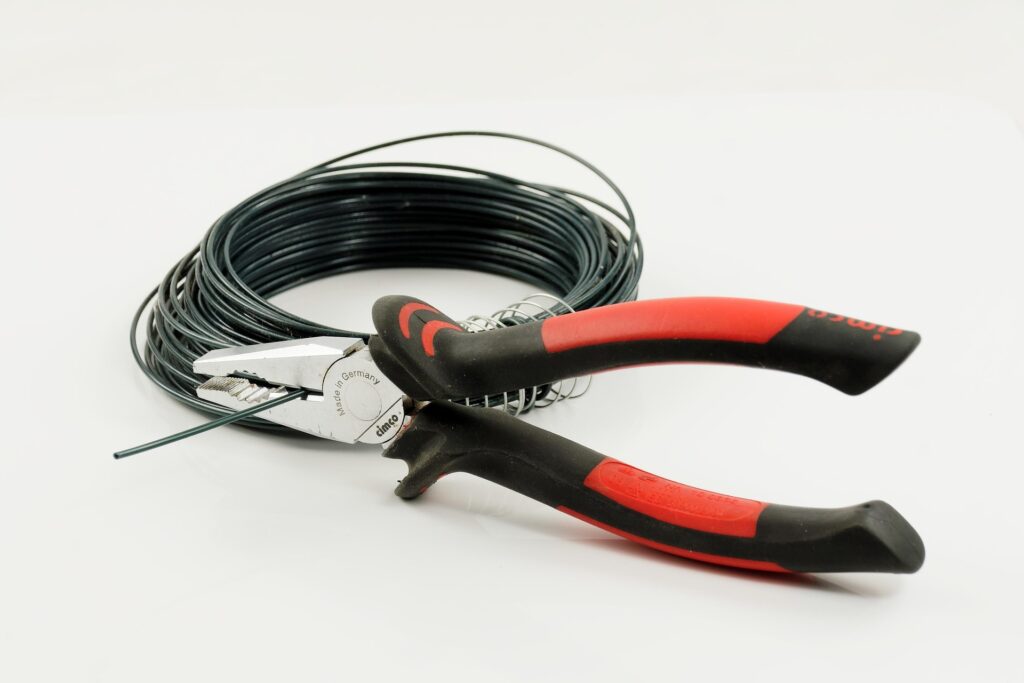
Use diagonal cutting pliers or the cutting notch found on lineman’s pliers. Position the wire inside the cutting notch as close to the base of the jaws as possible for maximum cutting force. Squeeze firmly in one smooth motion.
Avoid rocking or twisting the pliers as this can damage both the wire and the cutting edges.
Loosening Stubborn Nuts and Bolts
If a nut or bolt is stuck, use locking pliers to get a solid grip. Adjust the jaws to fit snugly around the fastener and lock them in place. Apply slow, steady turning pressure.
Never use pliers in place of a proper wrench if you have one available, as pliers can round off the edges of fasteners over time.
Safety Tips to Always Follow
Safety should never be an afterthought when working with hand tools:
- Always wear safety glasses when cutting wire or working near sharp materials.
- Never use pliers on live electrical wires unless they are specifically rated for electrical work with insulated handles.
- Keep pliers clean and dry to maintain a good grip and prevent rust.
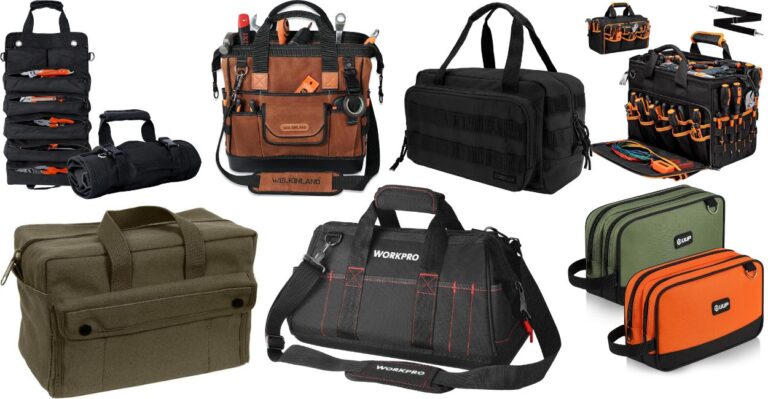
- Store them in a dry place, preferably in a tool roll or dedicated drawer.
- Inspect the jaws and pivot before each use. If the tool is cracked, bent, or the pivot is loose, replace it.
Final Thoughts
Pliers are simple tools but using them correctly takes a little knowledge and practice. Start with the right type for the job, hold them properly, apply controlled pressure, and always prioritize safety.
Once you build good habits with pliers, you will find that almost any repair or DIY task becomes faster, cleaner, and far less frustrating. Keep your pliers in good condition and they will serve you reliably for many years to come.
Also Read: