MIG vs TIG vs Stick Welding: Which Should You Learn?
If you are thinking about getting into welding, you have probably come across these three names already. MIG, TIG, and Stick welding are the most popular methods beginners explore, and each one offers a completely different experience. Knowing the difference saves you money, time, and a lot of frustration before you even strike your first arc.
We independently evaluate all of our recommendations. If you click on links we provide, we may receive compensation.
Table of Contents
What Is MIG Welding?
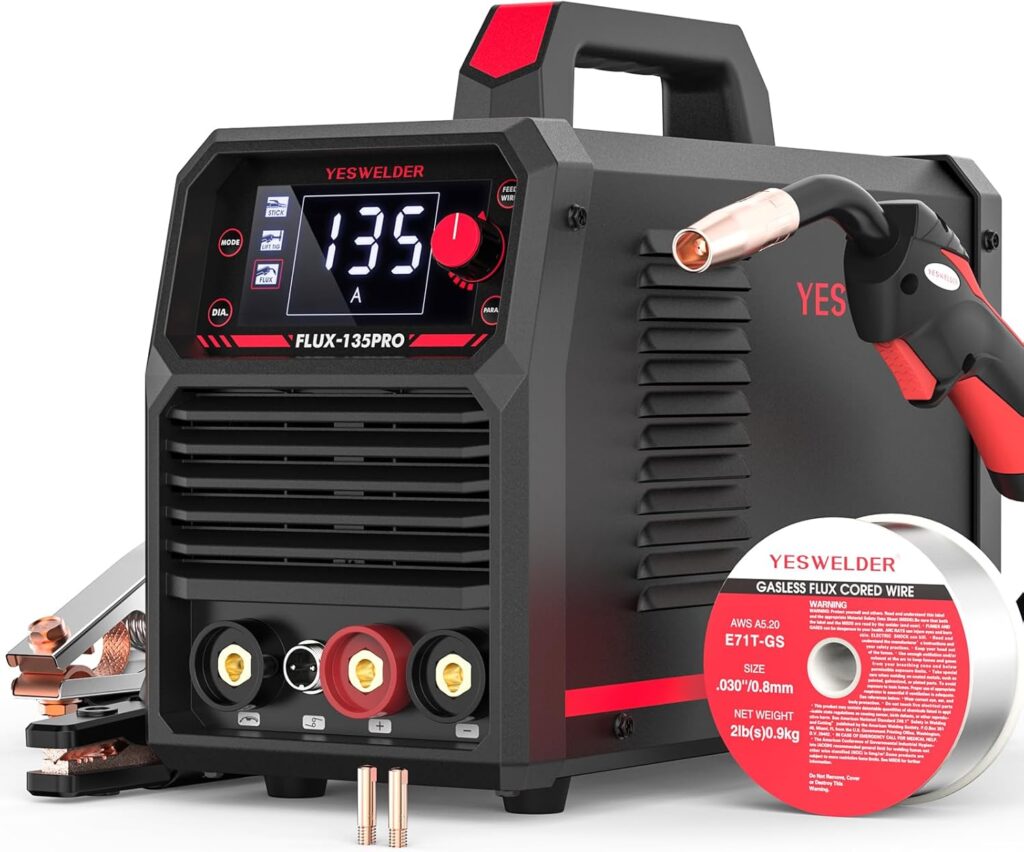
MIG welding, short for Metal Inert Gas welding, is widely regarded as the easiest method for beginners to pick up. You feed a continuous wire electrode through a welding gun while a shielding gas protects the weld pool from contamination. The process is fast, clean, and forgiving on technique.
You can weld mild steel, stainless steel, and aluminum with the right setup. If you run a small workshop, repair farm equipment, or tackle home improvement projects, MIG is the most practical starting point available to you.
The main limitation is portability. Most MIG setups require a gas cylinder, which makes outdoor or field welding more complicated than the other methods.
What Is TIG Welding?
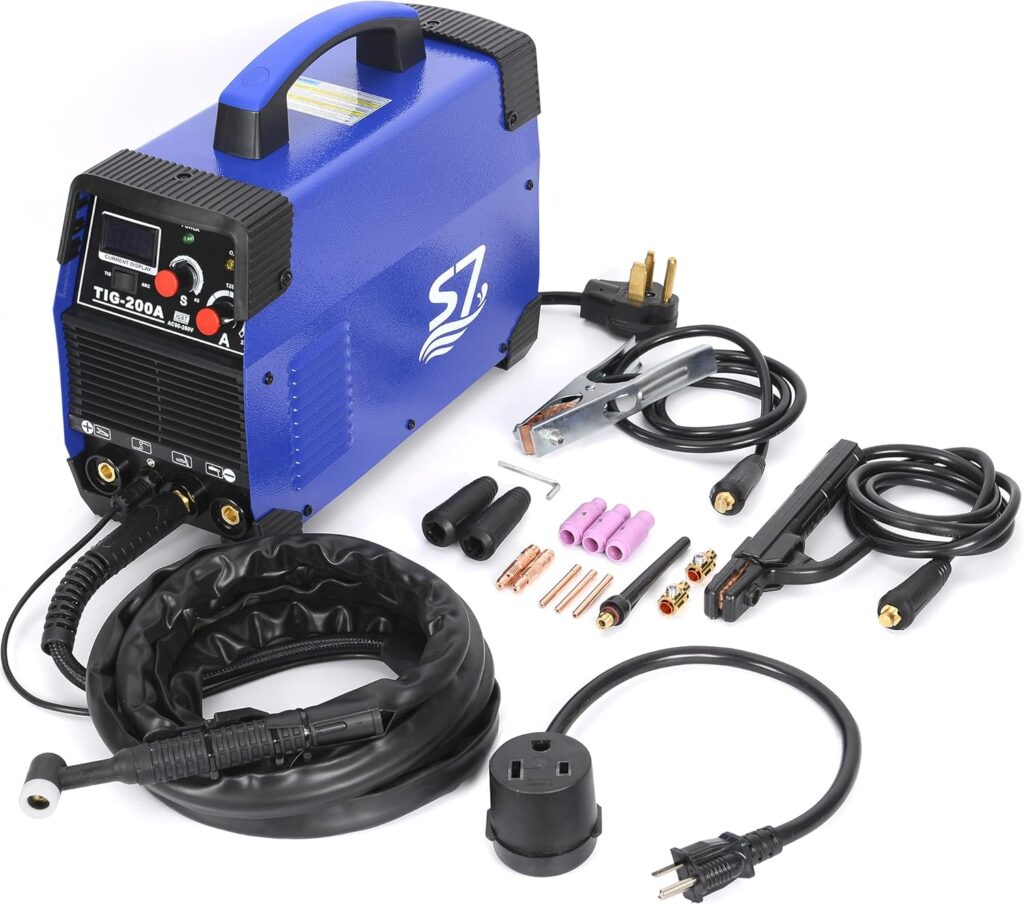
TIG welding, short for Tungsten Inert Gas welding, is the most precise of the three processes. You use a non-consumable tungsten electrode with one hand and feed filler rod manually with the other, while controlling amperage with a foot pedal. This demands real coordination.
The results are worth the effort. TIG produces the cleanest and most visually impressive welds you can achieve. It is the preferred method for thin metals, stainless steel fabrication, and aluminum work where appearance matters. Aerospace, automotive restoration, and artistic metalwork all rely heavily on it.
The learning curve is steep, though. If you are completely new to welding, jumping straight into TIG can feel overwhelming quickly.
What Is Stick Welding?
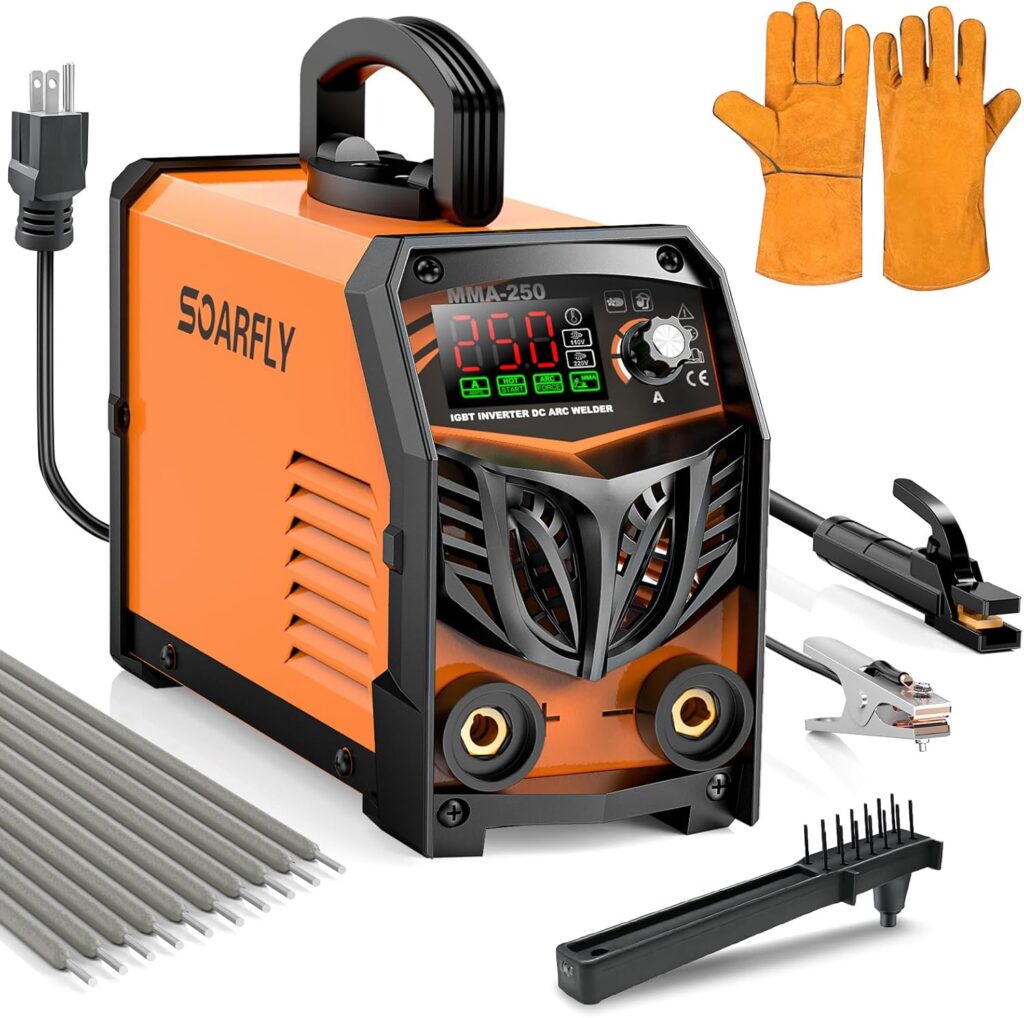
Stick welding, also called Shielded Metal Arc Welding, is the oldest and most rugged method of the three. You use a consumable electrode coated in flux, and the arc creates the weld without the need for an external shielding gas cylinder.
This makes Stick welding the most portable and weather resistant option you have. You can use it outdoors in windy conditions, on rusty or dirty metal, and in locations where carrying gas tanks is impractical. Construction sites, pipeline work, and heavy structural repairs are where Stick truly earns its place.
The downside is that it produces more spatter and requires more cleanup than MIG or TIG. Achieving thin or delicate welds is also harder with this process.
Comparing the Three Side by Side
Here is how they stack up on the factors that matter most to you as a beginner:
Ease of Learning: MIG is the easiest to start with, Stick is moderate, and TIG is the most challenging to master.
Weld Quality: TIG produces the finest results, MIG is very clean and consistent, and Stick is functional but rougher in appearance.
Portability: Stick wins here without question. MIG is the least portable, and TIG falls somewhere in the middle.
Best Materials: MIG handles most common metals well. Stick works best on thicker steel.
Cost to Start: Stick equipment is the most affordable entry point. MIG is a mid-range investment. TIG is the most expensive setup overall.
Which One Should You Learn First?
The honest answer depends entirely on what you want to weld and why you want to weld it.
If you want a versatile skill for home projects, vehicle repairs, and general metalwork, start with MIG. It gives you fast, satisfying results, builds your confidence quickly, and covers the majority of everyday welding needs most people encounter.
If you need to work in tough outdoor environments or on construction and infrastructure projects, Stick welding is your best bet. The low startup cost and ruggedness make it ideal for practical field use from day one.
If precision and aesthetics are your top priorities and you are willing to invest serious practice time, TIG is worth pursuing. Many professional welders actually learn MIG first, then add TIG to their skill set once they understand the fundamentals.
There is no wrong starting point as long as your choice matches your actual goals. You do not need to master all three at once. Pick the method that fits your projects, invest in a quality machine, and build your skills from there.
Our Top Picks to Get You Started
Whether you choose MIG, TIG, or Stick, starting with reliable equipment makes the entire learning process smoother. Check the links in our recommended products section to find the right machine for your budget and goals.
Also Read On:
How to Use a Pipe Threading Tool: Beginner Guide
Best Portable Tool Bags for Contractors: Top Picks to Keep You Job Ready