How to Use a Jigsaw: Step by Step Guide for Beginners
If you want to cut curves, shapes, and angles in wood, metal, or plastic, a jigsaw is one of the most versatile tools you can own. Learning how to use a jigsaw correctly will save you time, improve your cuts, and keep you safe in the workshop. This guide walks you through everything from setting up your tool to making clean, accurate cuts on your first try.
We independently evaluate all of our recommendations. If you click on the links we provide, we may receive compensation.
Table of Contents
What Is a Jigsaw and What Can It Do?
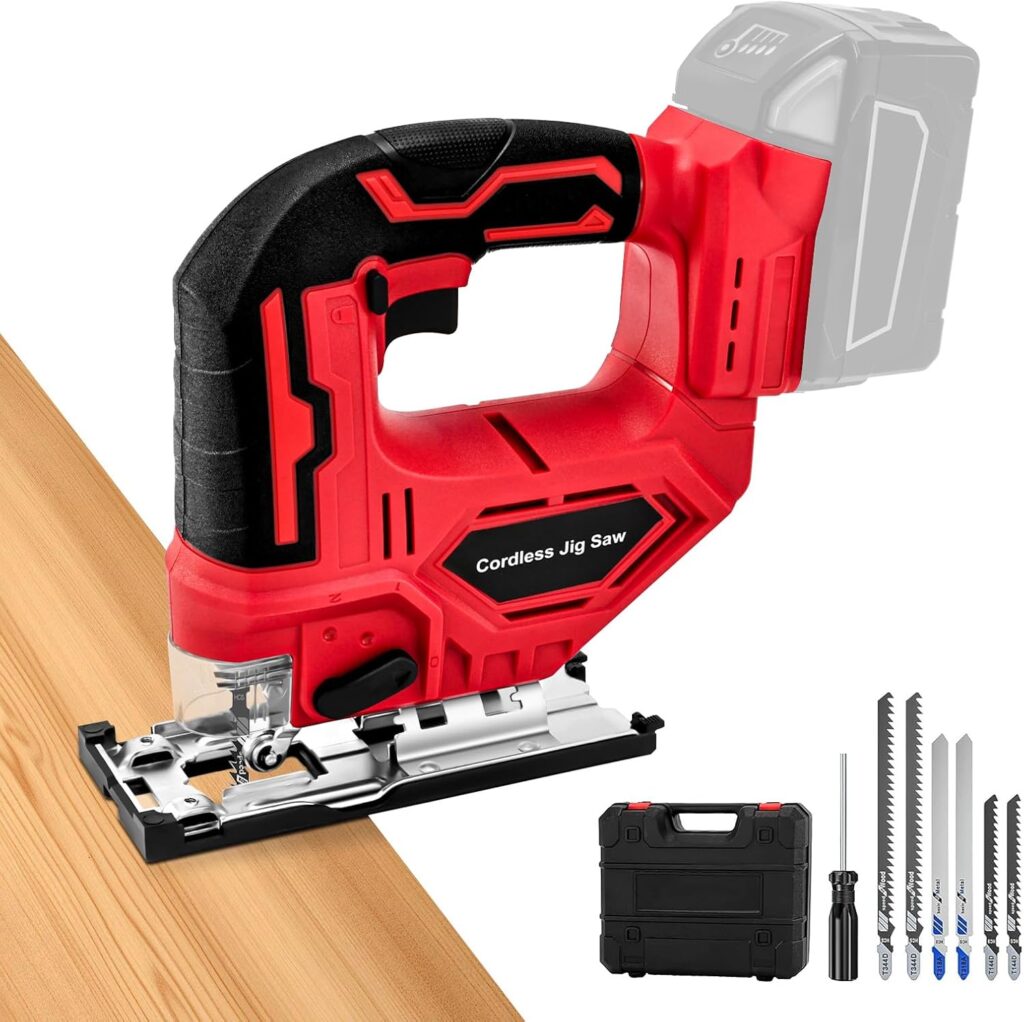
A jigsaw is a handheld power tool with a thin, reciprocating blade that moves up and down to cut through various materials. Unlike a circular saw that only cuts in straight lines, a jigsaw lets you follow curves, cut intricate shapes, and make plunge cuts in the middle of a workpiece.
You can use it on wood, plywood, MDF, plastic, ceramic tile, and even thin metal sheets, depending on the blade you choose.
What You Need Before You Start
Before you pick up a jigsaw, gather the following items:
- Your jigsaw (corded or cordless)
- The right blade for your material
- A workbench or sturdy surface
- Clamps to secure your workpiece
- A pencil or marker for your cut line
- Safety glasses and hearing protection
- A straightedge or guide rail for straight cuts
Choosing the right blade matters more than most beginners expect. For wood, use a high-tooth blade for smooth cuts and a low-tooth blade for fast, rough cuts. For metal, use a fine-tooth bi-metal blade. Always check that the blade fits your jigsaw’s blade clamp style, either T-shank or U-shank, before you begin.
How to Set Up Your Jigsaw
- Install the blade. Open the blade clamp, insert the blade with the teeth facing forward, and lock it firmly in place. Give it a light tug to confirm it is secure.
- Set the cutting speed. Most jigsaws have a variable speed dial. Use a slower speed for metal and harder materials and a faster speed for wood.
- Adjust the orbital setting. Many models include an orbital action dial. Setting it to zero gives you a straight, precise cut. Higher orbital settings are faster but rougher, so they work best for quick rough cuts in wood.
- Mark your cut line. Use a pencil or marker to draw a clear line on your workpiece. A sharp, visible line keeps your cut accurate.
- Secure your workpiece. Clamp it firmly to your bench. Never hold the material with your hands while cutting.
How to Make a Basic Straight Cut
Place the front of the jigsaw base plate flat against your workpiece with the blade just outside your cut line. Switch the tool on and let it reach full speed before moving forward.
Guide the blade steadily along your marked line without forcing the tool. For perfectly straight cuts, clamp a straightedge or guide rail parallel to your cut line and run the base plate against it as you cut.
How to Make Curved Cuts
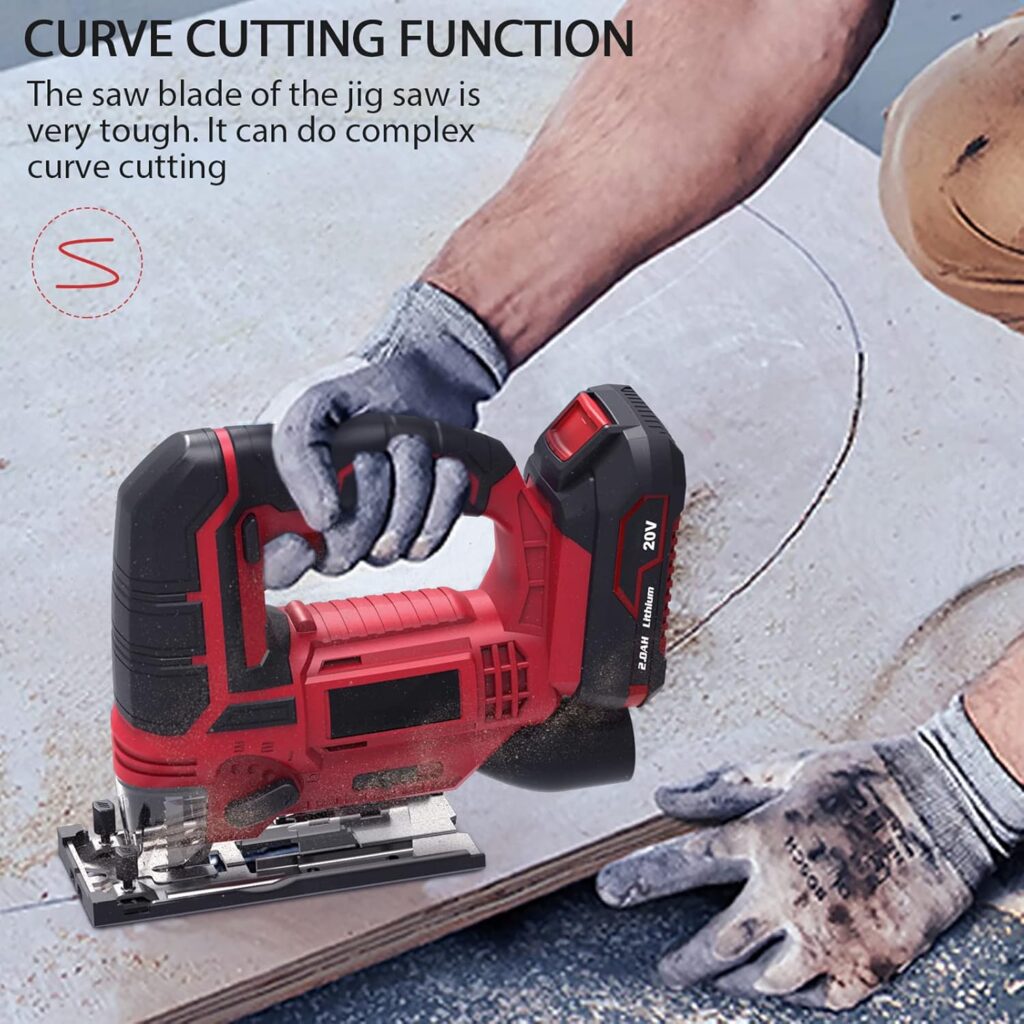
Curved cuts are where the jigsaw truly excels. Draw your curve clearly on the workpiece, then guide the blade slowly along the line. The key is patience. Slow, steady movement gives you control and reduces the chance of blade drift or breakage.
For tight curves, drill a small starter hole inside the waste material and begin your cut from there rather than plunging from the edge.
Jigsaw Safety Tips You Should Never Ignore
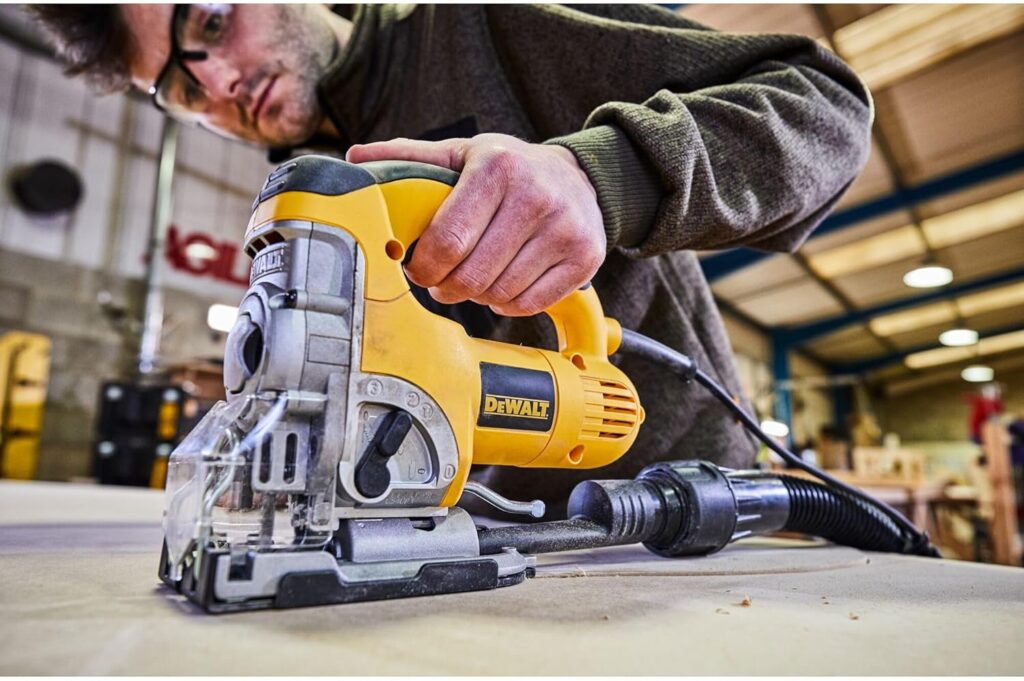
- Always wear safety glasses. Sawdust and chips fly upward during cutting and eye injuries happen fast.
- Keep your free hand well away from the blade path at all times.
- Wait for the blade to come to a complete stop before setting the tool down.
- Never reach under your workpiece while the blade is moving.
- Disconnect the tool from power before changing blades.
- Use sharp blades. A dull blade causes the tool to wander, puts more strain on the motor, and increases kickback risk.
Common Mistakes Beginners Make
Starting the cut without reaching full speed before touching the material is one of the most common errors. Always let the blade spin up fully first. Another mistake is pushing the jigsaw too hard.
The tool does the cutting. You only need to guide it forward gently. Skipping clamps is also a frequent problem. An unsecured workpiece can shift, ruin your cut, or cause injury.
Our Pick for Beginners
If you are ready to buy your first jigsaw, the DEWALT 20V MAX Cordless Jigsaw is an excellent starting point. It delivers consistent power, smooth orbital action, and accepts both T-shank and U-shank blades, making it highly versatile for all beginner projects. Check the latest price .
Final Thoughts
Learning how to use a jigsaw opens up a wide range of projects from cabinetry to custom furniture and home improvements.
Take your time setting up correctly, choose the right blade, and practice on scrap material before working on your actual project. With a little practice, you will be making clean, confident cuts in no time.
Also Read On:
Best Random Orbital Sanders: Complete Review 2026