How Accurate Are Laser Distance Measurers.
If you have ever wondered whether a laser distance measurer gives you a reading you can trust, you are not alone. Whether you are remodeling a room, buying furniture, or sizing up a commercial space, the accuracy of your measurement tool matters.
Laser distance measurers have become popular for good reason, but understanding how accurate they really are helps you get the most out of them.
We independently evaluate all of our recommendations. If you click on links we provide, we may receive compensation.
Table of Contents
What Accuracy Rating Actually Means
When you pick up a laser distance measurer, you will notice a specification like plus or minus 1.5mm or plus or minus 1/16 of an inch.
This is the manufacturer’s stated accuracy range under ideal conditions. In plain terms, if you measure a 10-meter room and the tool has a 1.5mm accuracy rating, your reading could be off by up to 1.5mm in either direction. For most everyday tasks, that margin is perfectly acceptable.
The accuracy figure you see on the box is tested under controlled laboratory conditions. Real-world conditions can affect how closely your results match that number, but modern units from reputable brands perform remarkably well even outside the lab.
Factors That Influence Measurement Accuracy
Several factors determine how accurate your laser distance measurer will be on any given day.
- Surface reflectivity: Dark or highly absorptive surfaces like matte black paint can reduce the strength of the laser return signal, leading to slightly less precise readings. Shiny surfaces like mirrors can scatter the beam unpredictably.
- Ambient light: Bright sunlight can overpower the laser beam, making it harder for the sensor to detect the return signal. Most units work best in shaded or indoor environments.
- Temperature: Extreme heat or cold can affect the optics and electronics inside the device. Most laser measurers specify an operating temperature range, typically between 0 and 40 degrees Celsius.
- Angle of incidence: When you aim the laser at a surface at a steep angle rather than straight on, the beam spot widens and the edge of the target becomes less defined, which can introduce error.
- Hand movement: Even slight hand tremor can shift the beam off target, especially over longer distances. Using the built-in belt clip or a tripod mount eliminates this variable entirely.
How Laser Measurers Compare to Traditional Tape Measures
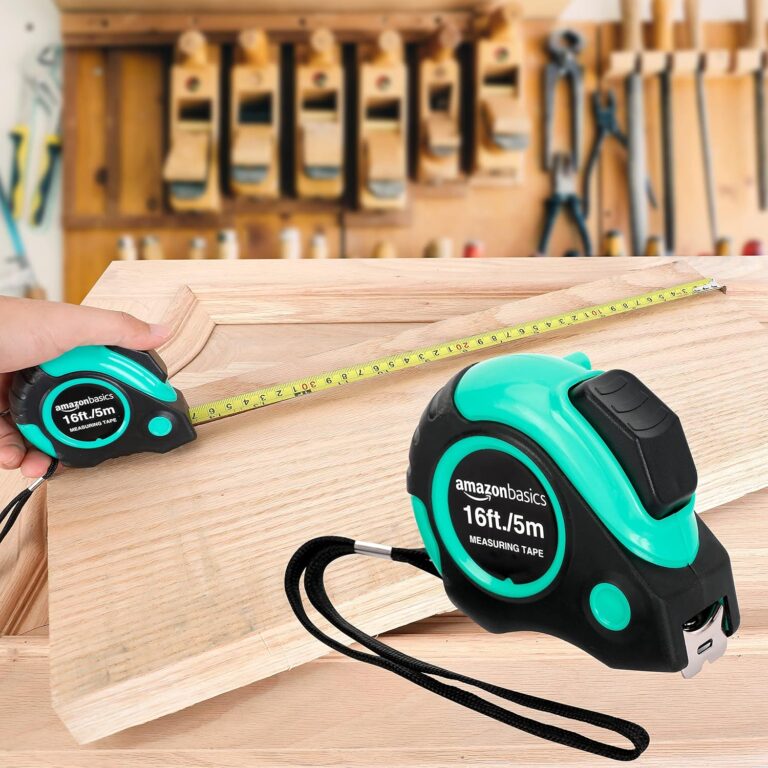
A standard tape measure in the hands of a skilled user is accurate to about 1mm over short distances. Over longer distances, tape sag and the difficulty of holding both ends steady introduce much more error.
A laser distance measurer eliminates those problems entirely. You can measure a 20-meter hallway from one end without a second person, and your result will typically be within 1 to 2mm of the actual distance.
For quick tasks where you need a single person to capture a dimension accurately, laser tools outperform tape measures beyond distances of about 3 to 4 meters. Within short distances, a good quality tape is just as reliable and sometimes faster.
What Range of Accuracy Should You Expect?
Entry-level laser distance measurers typically offer accuracy within plus or minus 3mm. Mid-range models from well-known brands usually deliver plus or minus 1.5mm, which is more than adequate for interior design, furniture placement, and basic construction tasks.
Professional-grade units can achieve plus or minus 1mm or better, which suits demanding applications like surveying setups or precision carpentry.
You do not need a professional unit for most home improvement tasks. A reliable mid-range tool will give you readings you can depend on for flooring estimates, window measurements, and room area calculations.
Tips for Getting the Most Accurate Readings
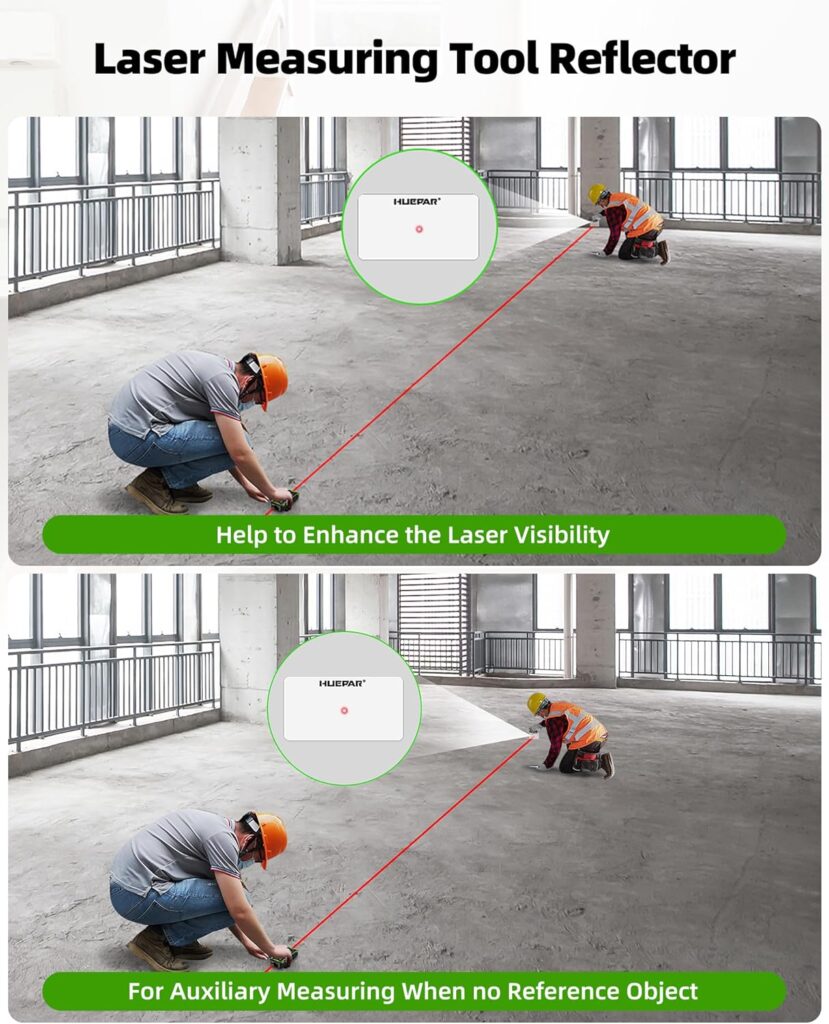
You can maximize the accuracy of your laser distance measurer by following a few simple habits. Always aim for a flat, perpendicular surface when possible. Use the included target plate in bright conditions so the beam has a clearly defined surface to reflect from.
Hold the device steady or use a tripod for distances beyond 10 meters. Take two or three readings and compare them. If they are consistent, you have a solid measurement. If they vary significantly, check your target surface and angle.
Keeping the lens clean also matters. Dust or smudges on the emitter or receiver can degrade signal quality and reduce accuracy over time.
Which Tasks Are Laser Measurers Best Suited For?
Laser distance measurers shine in situations where tape measures are inconvenient or impractical. Measuring ceiling height, calculating room area and volume, estimating paint or flooring quantities, and checking window or door rough openings are all tasks where these tools save time and reduce error.
Real estate agents, interior designers, contractors, and DIY enthusiasts all rely on them for exactly this reason.
If you are ready to pick up a reliable model, you can explore a wide selection of laser distance measurers on Amazon. Look for units from established brands that clearly list their accuracy specification and operating range on the product page.
Final Thoughts
Laser distance measurers are accurate, practical tools for anyone who takes measurements seriously. With a stated accuracy of 1.5mm or better on most quality units, you get results that match or exceed what a tape measure can deliver, with far less effort.
Understanding the conditions that affect performance helps you use your tool correctly and trust the numbers you see on the screen.
Also Read On: