Best Wood Routers: Fixed vs Plunge Base Compared
If you want clean, precise cuts in wood, a quality router is one of the most important tools in your workshop. The debate between fixed base and plunge base routers is one every woodworker faces sooner or later. Understanding how each type works will help you choose the best wood router for your projects and skill level.
We independently evaluate all of our recommendations. If you click on the links we provide, we may receive compensation.
Table of Contents
What Is a Fixed Base Router?
A fixed base router holds the bit at a set depth that you adjust before you start cutting. Once you lock it in, the depth stays constant throughout the cut. This makes it the go to choice when you need consistent, repeatable results on edge profiles, dado cuts, or decorative work along the outside of a board.
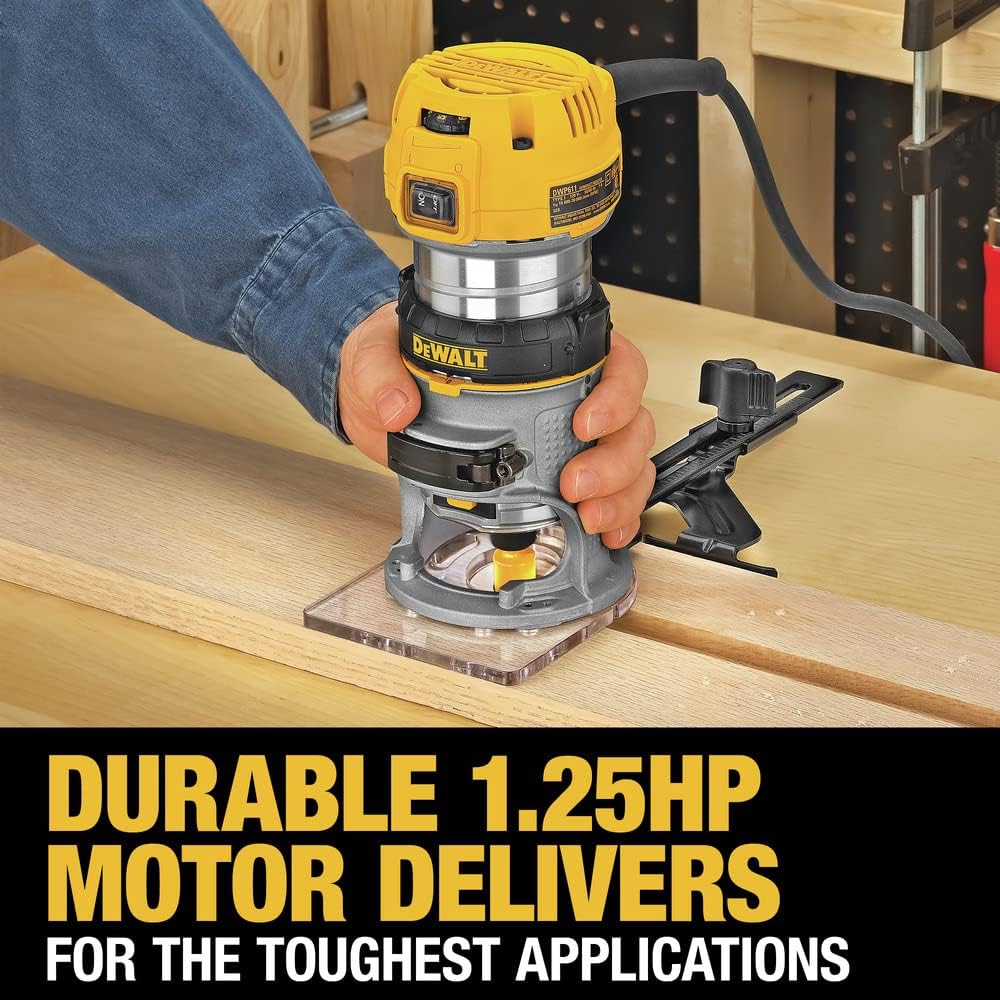
Fixed base models like the DEWALT DWP611 are compact and easy to handle. You get better visibility of your cutting line and a lower center of gravity, which translates into smoother control. Most woodworkers find fixed base routers easier to learn on and more comfortable for handheld routing.
What Is a Plunge Base Router?
A plunge base router lets you lower the spinning bit directly into the surface of the workpiece while the tool is running. You release a spring loaded mechanism, push the router down to your preset depth, lock it, and begin cutting. This is essential when you need to start a cut in the middle of a board rather than from the edge.
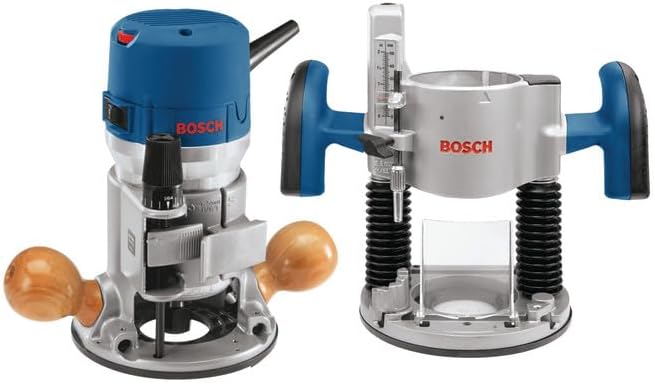
Routers like the Bosch 1617EVSPK come with both bases, giving you flexibility to switch between modes depending on the task. Plunge bases are ideal for mortises, internal grooves, template routing, and sign making where you need to start a cut anywhere on the panel.
Fixed vs Plunge Base: Key Differences
Here is a breakdown of the core differences so you can decide which fits your workflow:
- Depth setting: Fixed base requires you to set depth before the cut. Plunge base lets you adjust depth on the fly.
- Starting position: Fixed base starts from the edge of the material. Plunge base starts anywhere on the surface.
- Control: Fixed base is more stable and predictable for edge work. Plunge base requires more practice to control.
- Visibility: Fixed base offers a clearer view of the cutting area during operation.
- Versatility: Plunge base handles more complex interior cuts and multi depth passes.
Which One Should You Buy?
If you are just getting started or you spend most of your time doing edge profiles, dadoes, and tabletop work, a fixed base router gives you the simplicity and precision you need without added complexity. It is also lighter and easier to use in a router table.
If your work involves mortising, carving, sign routing, or cutting grooves in the middle of panels, you will appreciate the plunge base. For serious woodworkers who want one versatile solution, a combo kit that includes both bases mounted on the same motor is the smart investment.
Top Features to Look For
- Motor power of at least 1.75 HP for hardwoods
- Variable speed control to match RPM to bit size and material
- Soft start for reduced torque jerk when powering on
- Micro adjustment for precise depth control
- Dust collection compatibility to keep your workspace clean
- Spindle lock for easy one wrench bit changes
Best Wood Routers Worth Considering
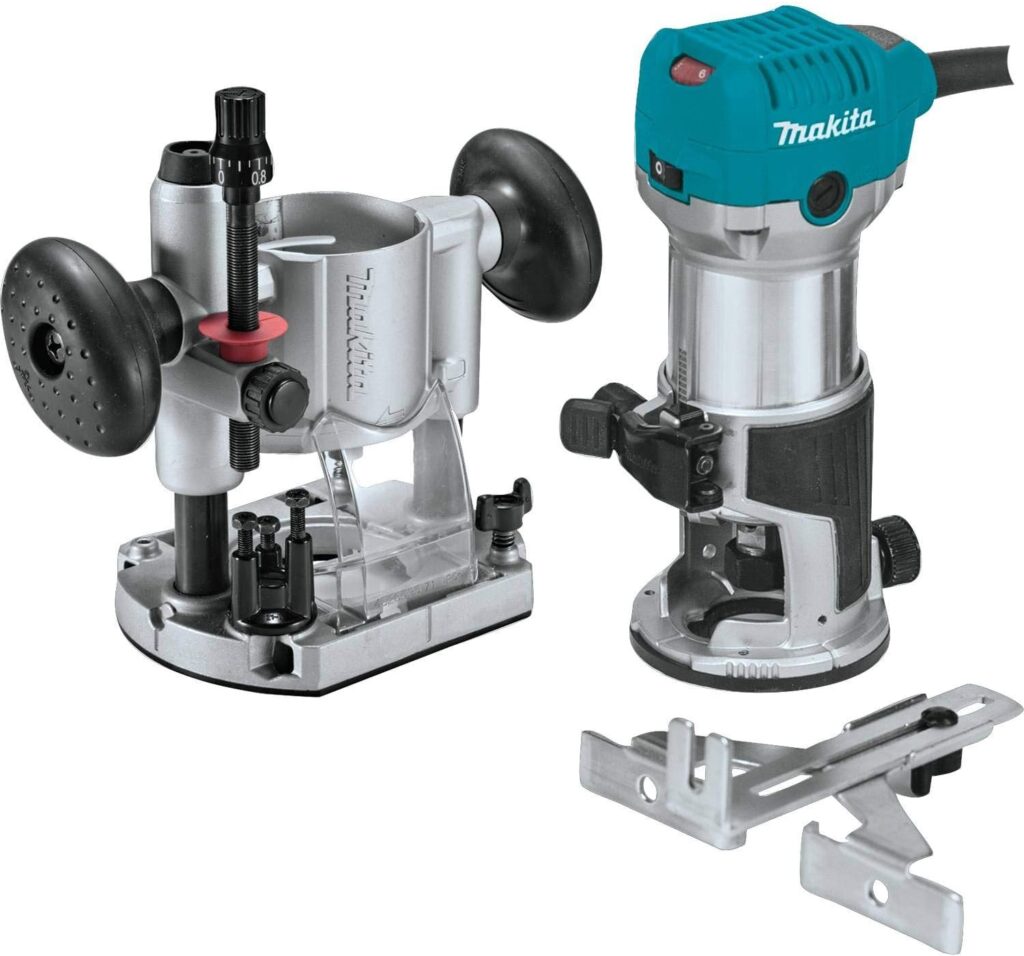
The Makita RT0701CX7 is a compact trim router that punches above its weight for edge work and light routing tasks. It is quiet, smooth, and comfortable for extended sessions.
For a heavy duty option, the Porter Cable 892 delivers solid power with smooth depth adjustment. Pair it with a plunge base and you have a capable machine for nearly any routing task you can imagine.
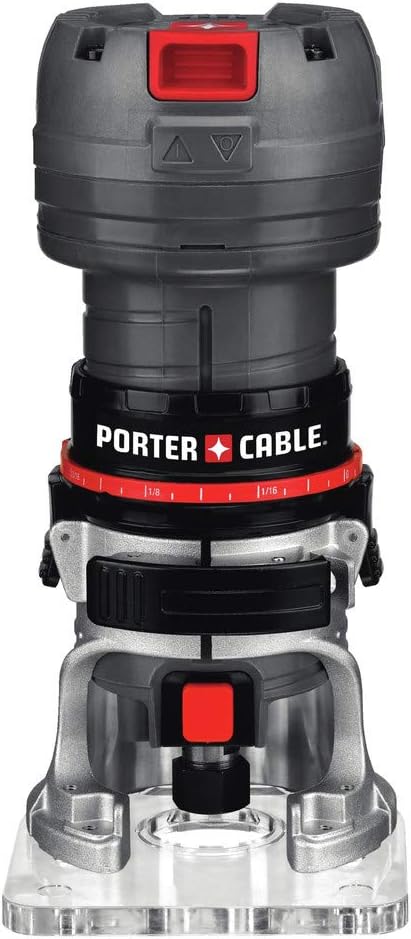
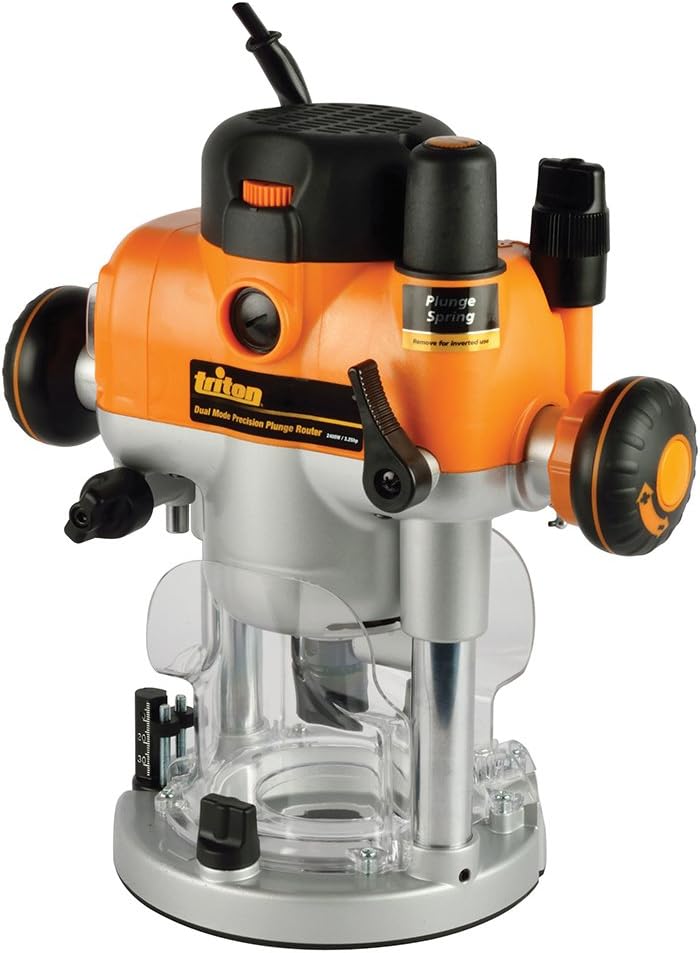
If you want a router table ready setup, the Triton TRA001 is widely praised for its above table bit changes and precision adjustment, making it a top pick among furniture makers and cabinet builders.
Final Thoughts
Choosing between fixed and plunge base comes down to what you build most often. Both router types excel in their own right, and the best wood routers give you the power, control, and comfort to work through any project with confidence. If your budget allows, a combo kit removes the need to choose and keeps you ready for anything your next project demands.
Also Read On:
Best Jointers for Small Shops: Top Picks 2026