Best Welding Helmet Auto Darkening.
If you weld regularly, you already know that your helmet is not just gear. It is your first line of defense against arc flash, spatter, and long term eye damage.
Choosing the best welding helmet auto darkening model means you protect your vision without slowing down your workflow.
This guide breaks down what matters most and which helmets deliver real value on the job.
We independently evaluate all of our recommendations. If you click on links we provide, we may receive compensation.
Table of Contents
Why Auto Darkening Matters
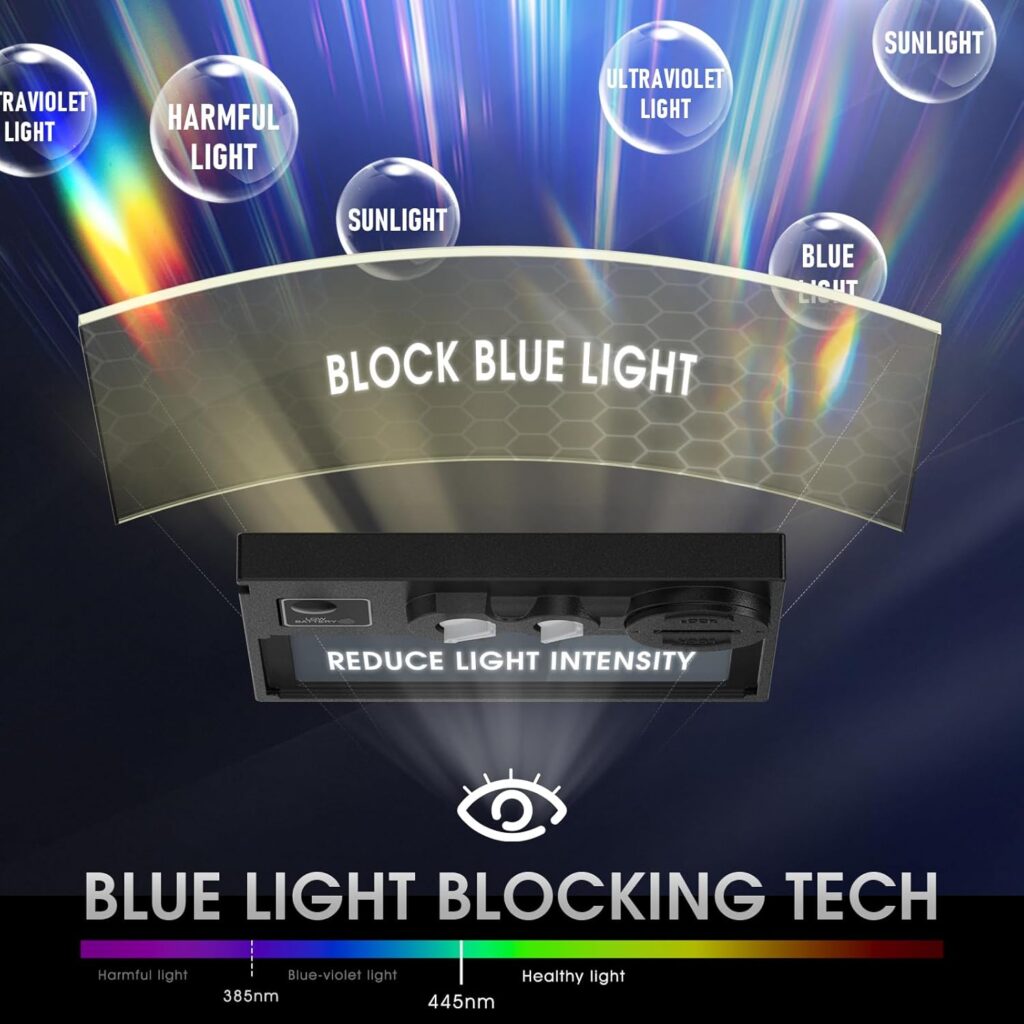
A passive helmet forces you to flip it up and down every single time you reposition your torch or electrode. That gets old fast and introduces the real risk of accidentally striking an arc before the shield is down. An auto darkening helmet solves this completely.
The lens reacts in milliseconds, typically under 1/25,000 of a second, switching from a light state so you can see your workpiece clearly to a dark shade the instant it detects arc light. You keep both hands free, your pace stays steady, and your eyes stay protected.
Key Features to Look For
- Shade range: Most quality helmets cover shade 9 to 13. A wider range makes the helmet versatile across MIG, TIG, and stick welding.
- Switching speed: Look for 1/25,000 second or faster. Slower helmets can cause eye fatigue or even arc flash exposure.
- Sensors: Four arc sensors are better than two. More sensors mean the lens darkens even when your view is partially obstructed.
- Viewing area: A larger lens gives you a wider field of vision. This matters a lot for precision TIG work or tight joints.
- Power source: Solar assisted with battery backup keeps you working without worrying about dying power in the middle of a job.
Top Picks for Best Welding Helmet Auto Darkening
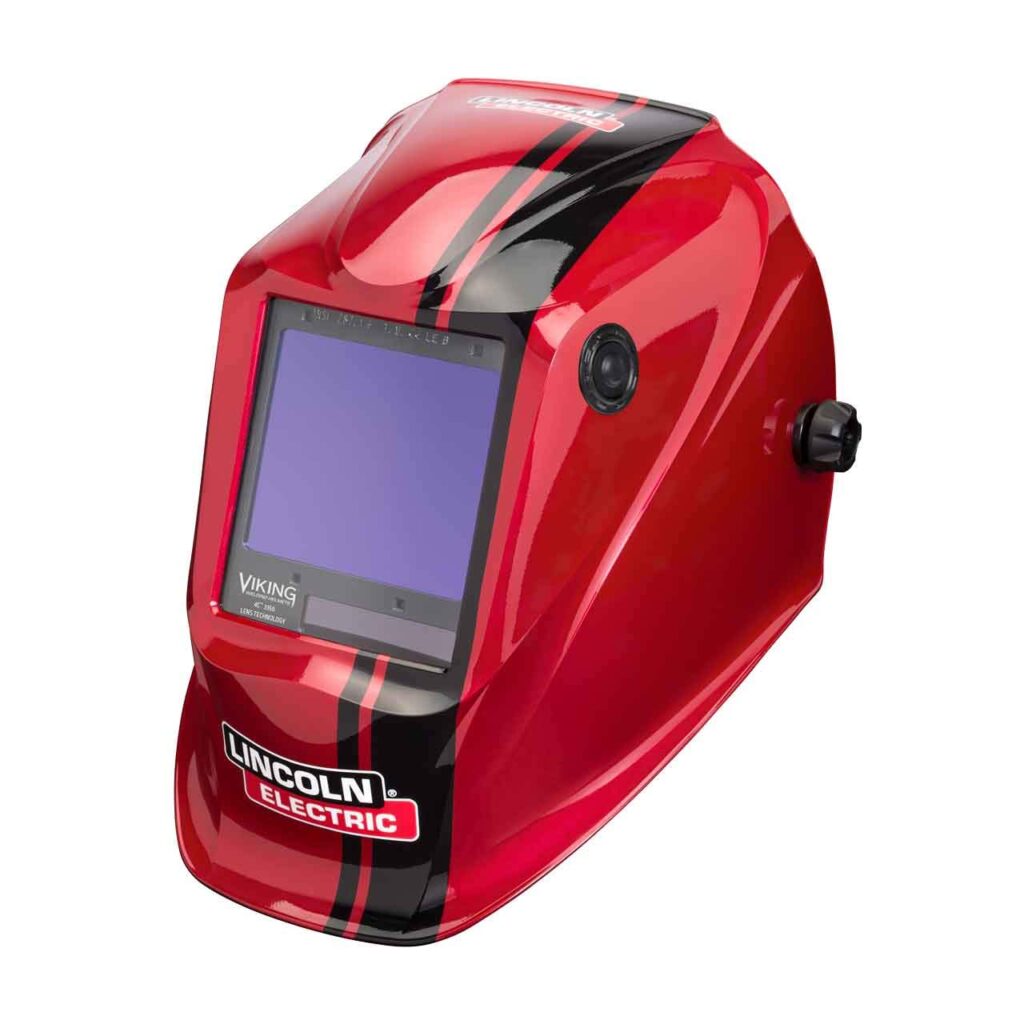
This helmet earns its reputation with a massive 12.5 square inch viewing area and four arc sensors.
The optical clarity is rated 1/1/1/1, which is the highest rating available under the EN379 standard. You get variable shade from 5 to 13 and a comfortable headgear system that reduces neck fatigue on long sessions. It works well for MIG, TIG, stick, and plasma cutting.
Check it on Amazon: Lincoln Electric Viking 3350
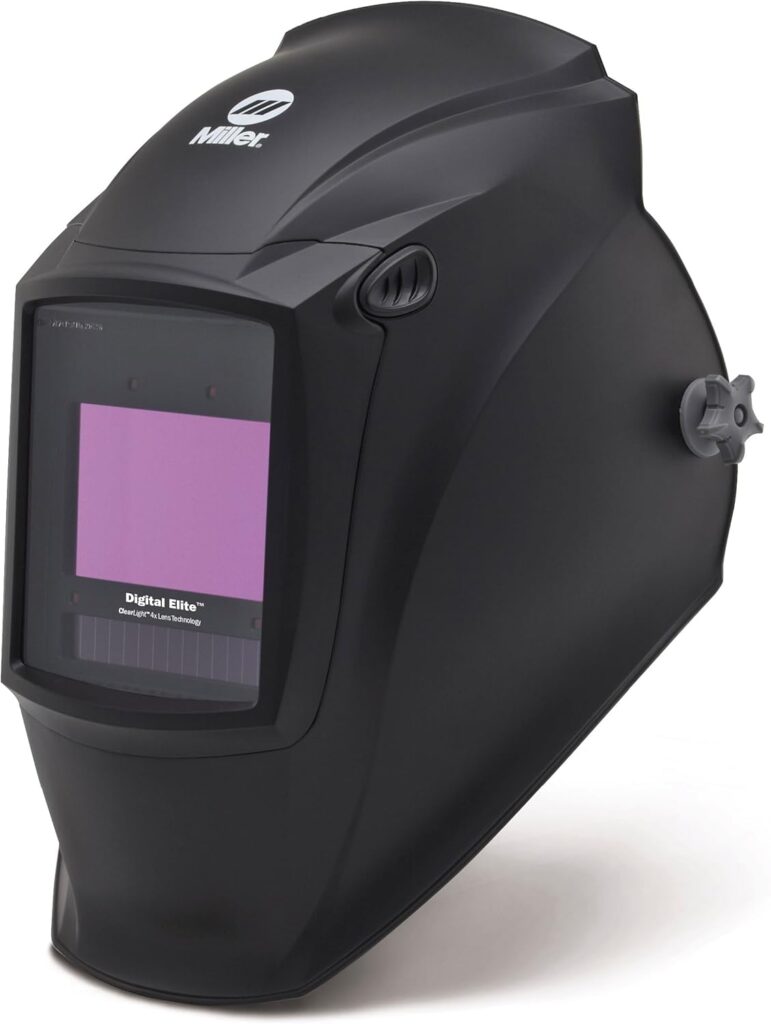
Miller builds this helmet for professionals who spend full days in front of an arc. The Clear Light lens technology gives you noticeably better color differentiation, which helps you read the puddle more accurately.
It has four sensors, variable shade 8 to 13, and an X mode that allows it to detect arcs even in tight or obstructed spaces. The headgear is easy to adjust and the helmet is relatively lightweight for all day wear.
Check it on Amazon: Miller Digital Elite
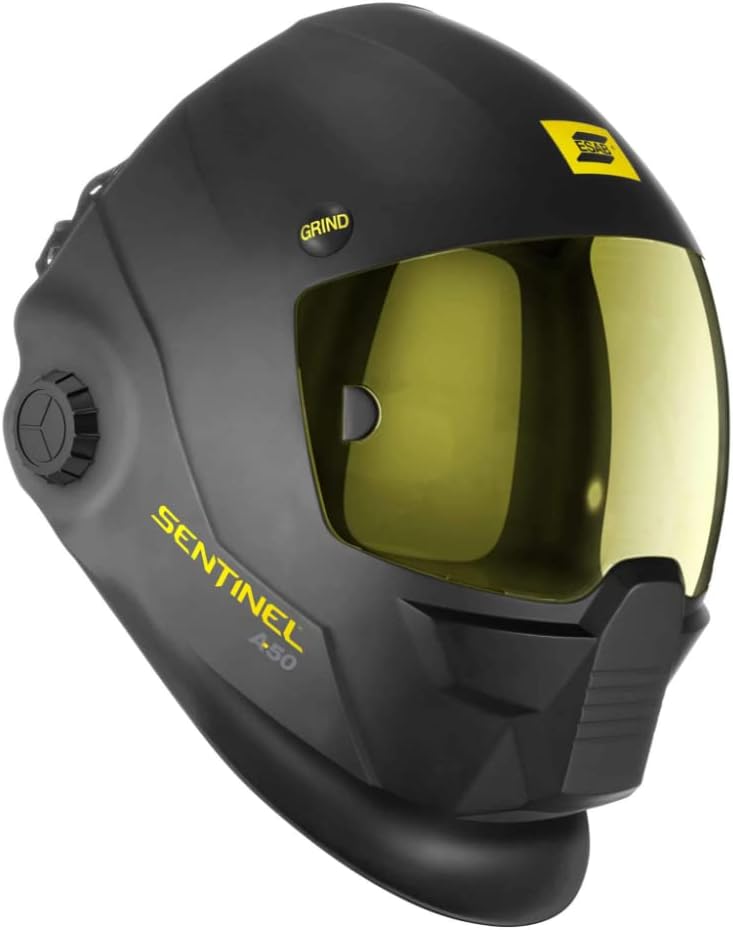
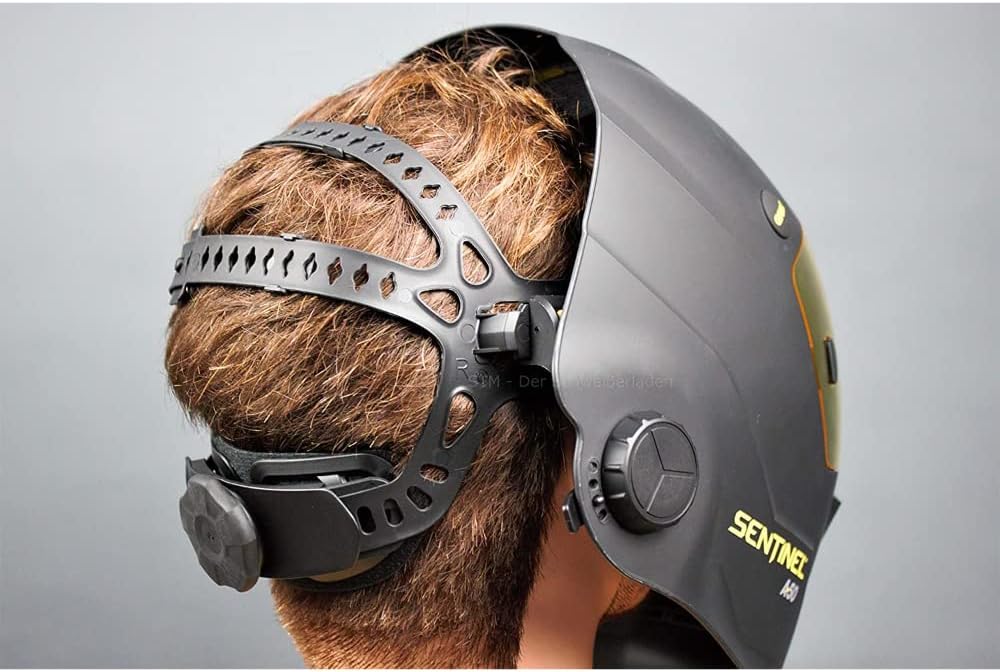
The Sentinel A50 stands out because of its curved, panoramic lens that gives you a genuinely wide field of view. The outer shell is tough, impact resistant, and designed to take real workshop punishment.
The controls are simple and intuitive. Shade range runs from 5 to 13, and the helmet works with all major welding processes including plasma cutting. If you want something that looks professional and performs consistently, this is a strong choice.
Check it on Amazon: ESAB Sentinel A50
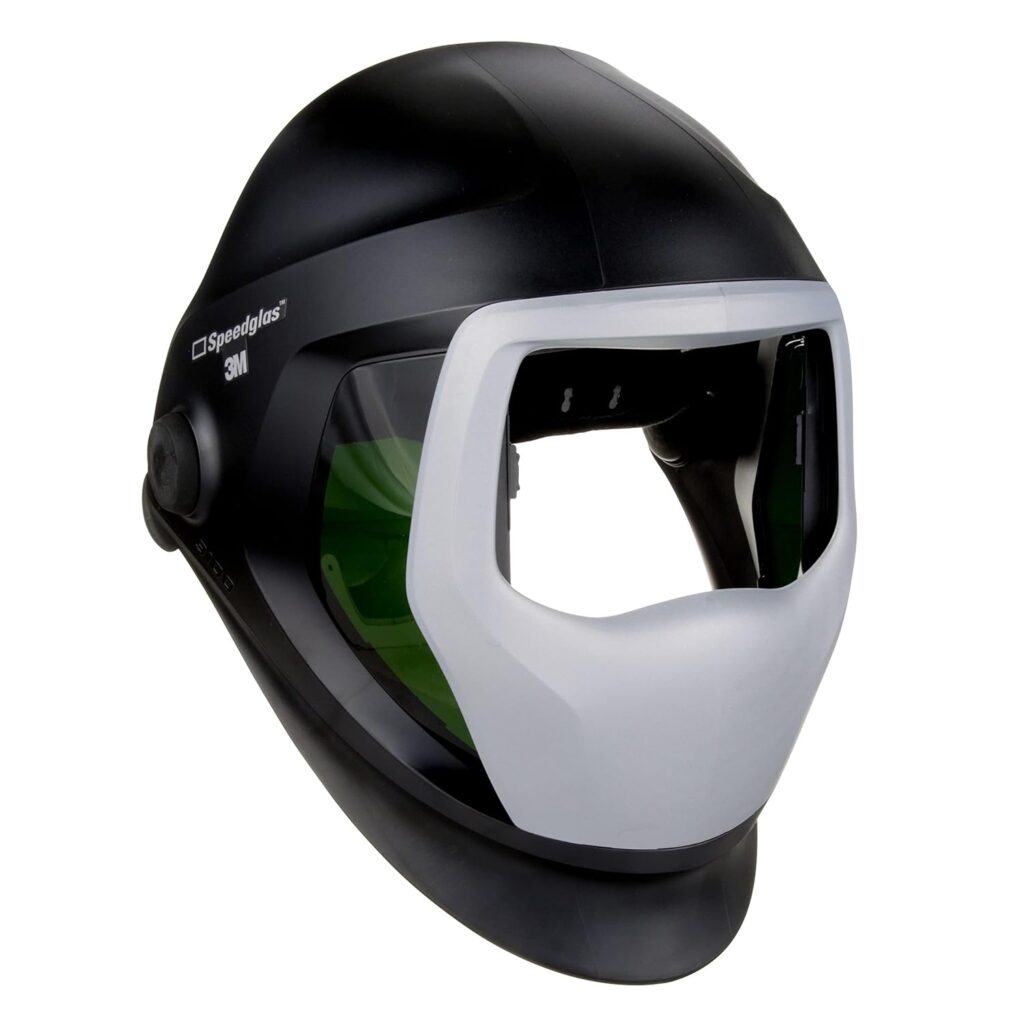
3M designed the Speedglas 9100 with ergonomics at the center. The side windows expand your peripheral vision so you can spot nearby hazards without removing the helmet.
The auto darkening filter is precise and consistent. It is one of the more comfortable options for extended weld sessions and the headband system distributes weight evenly. Shade adjustment goes from 5 to 13 with a wide resting shade of 3 that lets you see your work area clearly before you strike.
Check it on Amazon: 3M Speedglas 9100
How to Choose the Right One for You
Your choice should match your workflow. If you do mostly TIG welding with fine detail work, prioritize optical clarity and a large viewing area. For production MIG welding, switching speed and sensor count matter more. If you weld outdoors or in bright conditions, make sure the sensors can handle ambient light without false triggering.
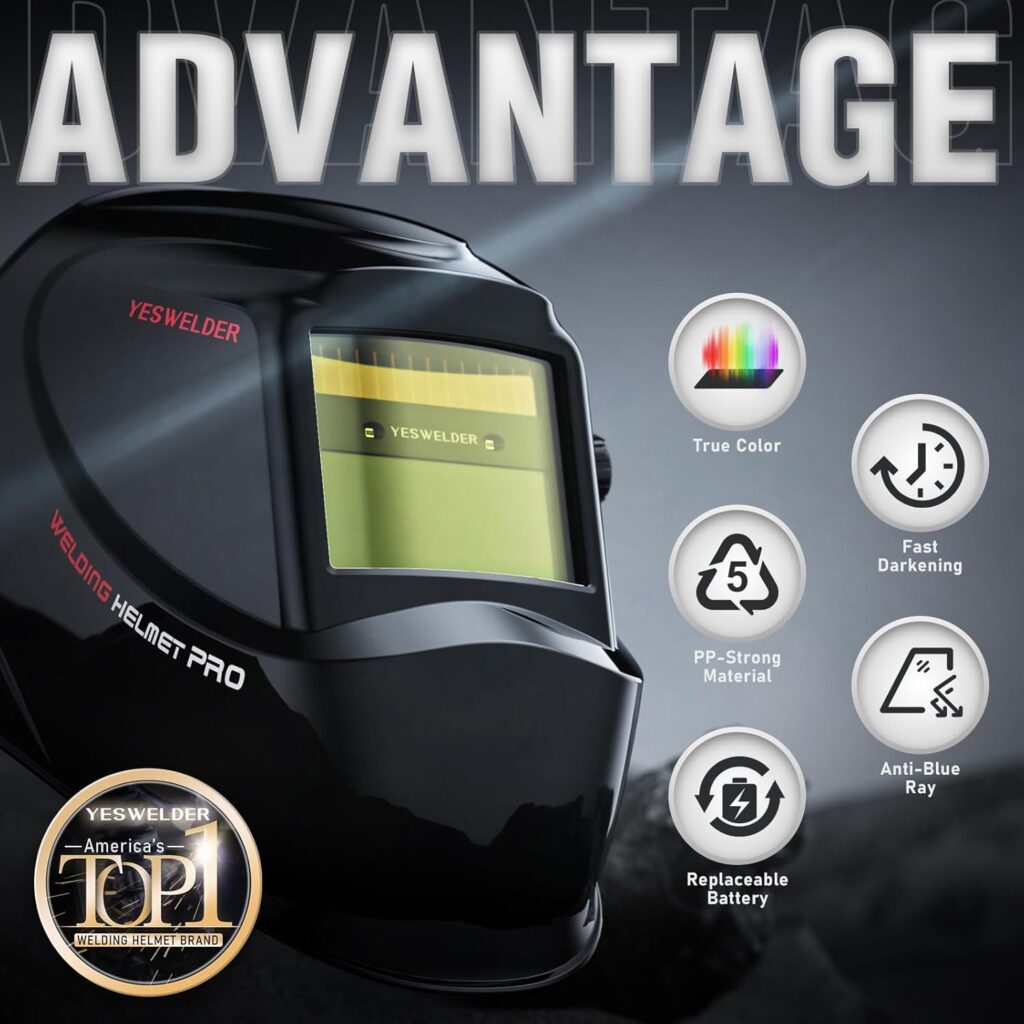
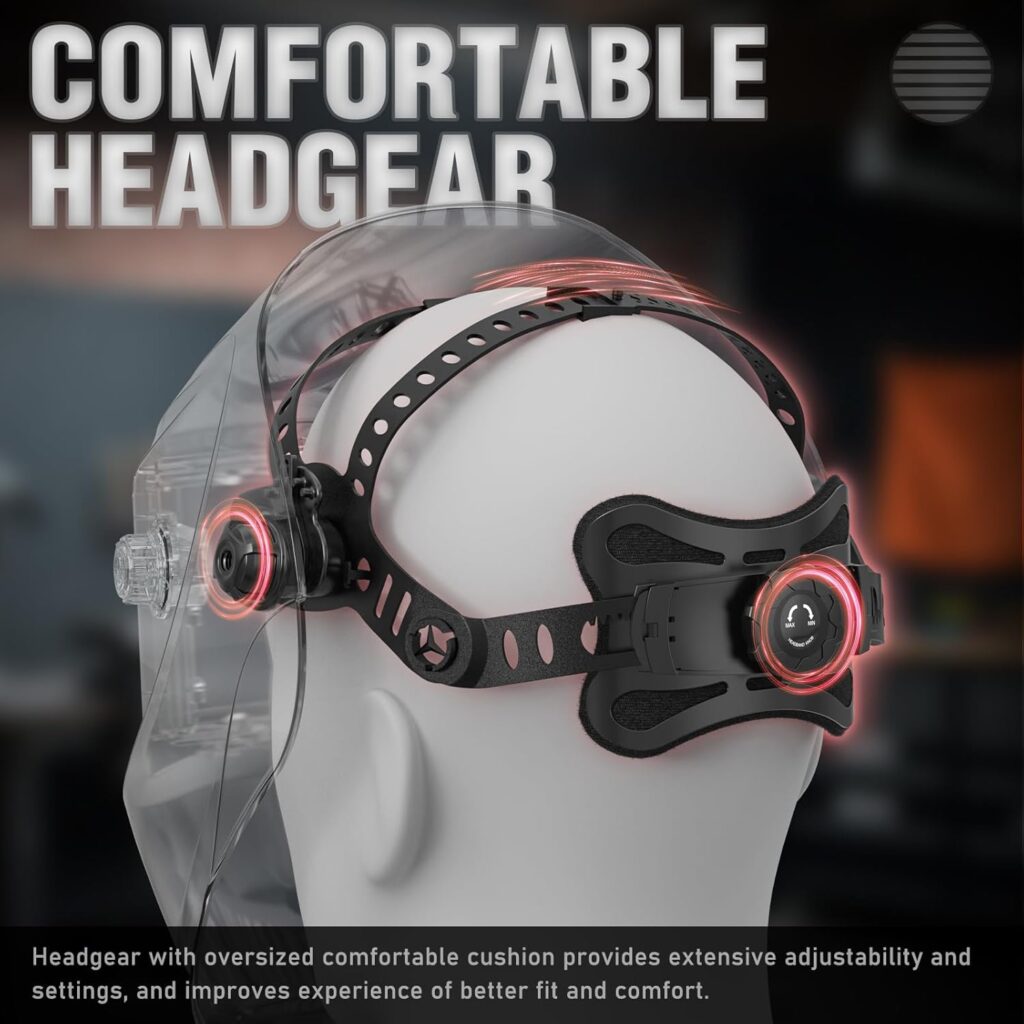
Comfort is also something you should not compromise on. A heavy helmet that sits awkwardly will affect your neck over a long shift. Try the headgear adjustment before committing and look for padded interiors that breathe well.
Final Thoughts
The best welding helmet auto darkening is one that fits your process, your budget, and your body. All four helmets above are tried and trusted by professionals.
Whether you go with the wide view of the Lincoln Viking, the color accuracy of the Miller Elite, the panoramic lens of the ESAB Sentinel, or the ergonomic design of the 3M Speedglas, you are making an investment in your safety and your output quality.
Pick the one that matches your welding style and you will notice the difference from the first arc.
Also Read On:
Best Pressure Washers for Home Use .
Best Snow Blowers for Heavy Snowfall
.