Best Stud Finders That Actually Work
You have probably tried hammering a nail into the wall only to hear that hollow thud telling you missed the stud completely. A reliable stud finder changes that experience entirely. Whether you are hanging a TV, mounting shelves, or tackling a home renovation project, the right stud finder saves you time, protects your walls, and keeps your projects looking clean and professional.
This guide breaks down the best stud finders that actually work, so you can pick the right one for your needs without wasting money on tools that leave you guessing.
We independently evaluate all of our recommendations. If you click on links we provide, we may receive compensation.
Table of Contents
What Makes a Stud Finder Actually Work
Not all stud finders are built the same. The best ones combine strong sensor technology with a clear, readable interface. You want a tool that detects edges accurately, minimizes false positives, and works through thick walls including those with plaster or tile.
Most high-performing stud finders use magnetic, electronic, or radar-based detection. Electronic stud finders scan density changes in your wall. Radar models go deeper and can locate pipes and wiring too. Magnetic types find the nails and screws holding your studs in place. Understanding which type suits your wall material is the first step toward picking a winner.
The Best Stud Finders Worth Your Money
1. Franklin Sensors ProSensor 710
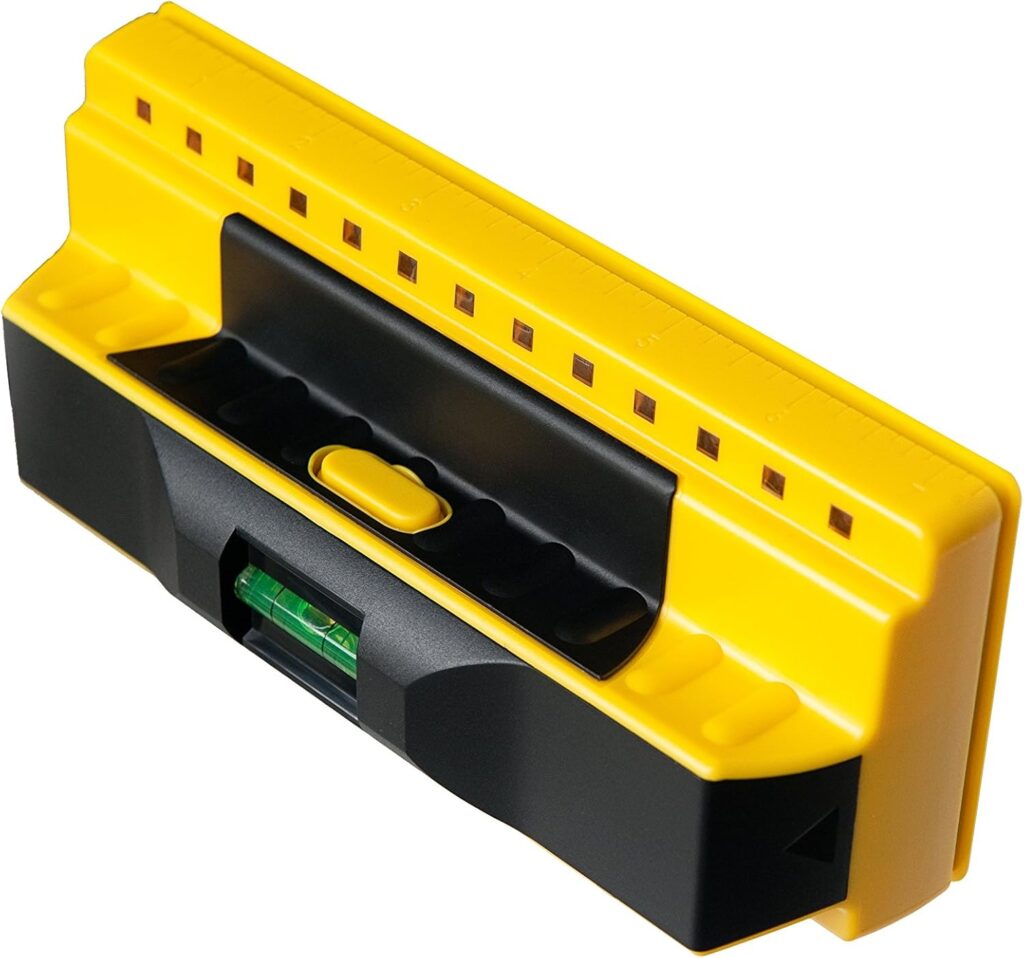
If accuracy is your top priority, this one earns its reputation. The ProSensor 710 uses 13 sensors simultaneously, giving you a clear picture of the entire stud width rather than just the edge. You get instant visual feedback through a wide LED display. It works well on both standard drywall and thicker surfaces and feels solid in hand.
This is ideal for homeowners who want a professional-grade result without a learning curve.
2. CRAFTSMAN Stud Finder, Center Finding (CMHT77633)
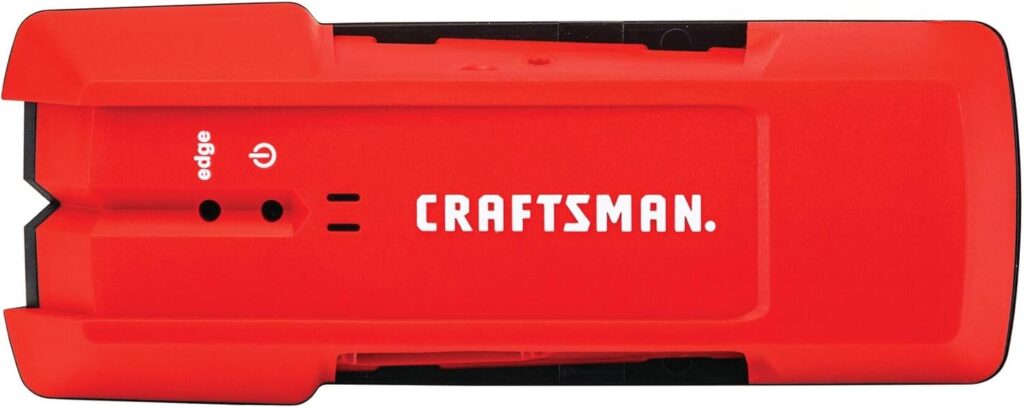
CRAFTSMAN delivers consistent performance at a budget-friendly level. This model finds the center of the stud and also detects AC wiring, which adds a useful safety layer. The deep scanning mode works through walls up to 1.5 inches thick. You get both audio and visual alerts so you never have to keep your eyes glued to the screen while moving across the wall.
A great pick if you are starting out or need a dependable backup tool.
3. Zircon MetalliScanner m40
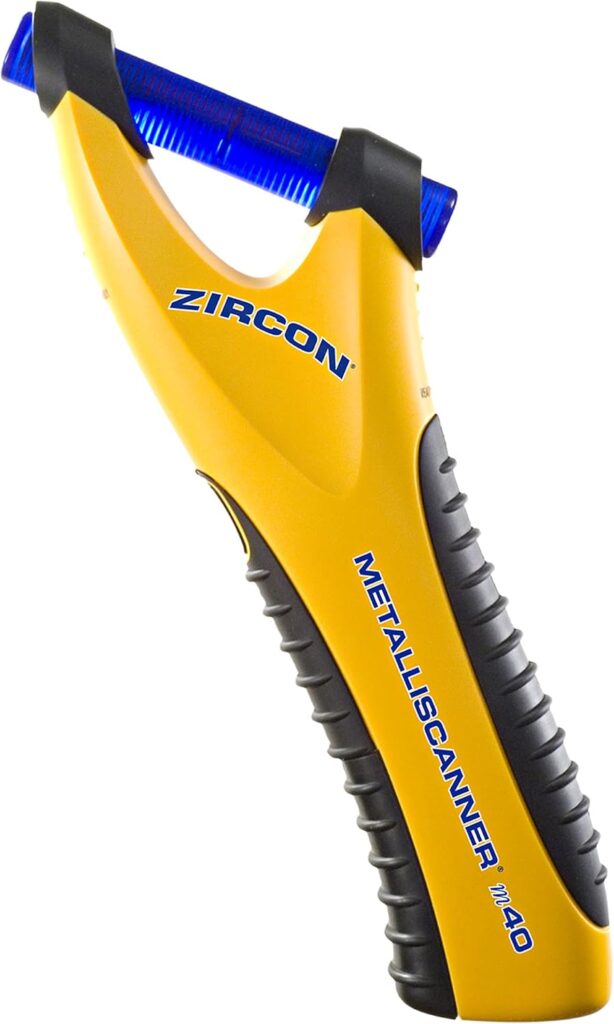
When your walls are plaster, tile, or you are working over concrete, standard electronic stud finders often fail. The Zircon m40 uses magnetic detection to locate metal fasteners regardless of wall type. No calibration is needed. You simply move it across the wall and it buzzes when it finds something. This makes it reliable even when electronic tools get confused by unusual wall compositions.
Keep one in your toolkit as a backup and you will never be stuck on a tricky surface.
4. Bosch GMS120 Digital Multi-Scanner
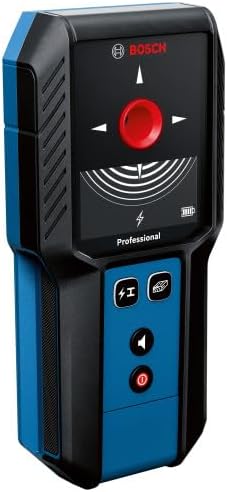
The Bosch GMS120 is the premium choice when you need to detect more than wood. It locates live electrical wires, ferrous and non-ferrous metals, and wooden studs. A clear digital display shows signal strength so you know exactly when you are centered over a stud. It scans up to 4.7 inches deep, making it one of the most capable handheld scanners available.
Professional contractors and serious DIYers reach for this when they need to be sure before drilling.
5. TACKLIFE DMS05A Advanced Stud Finder
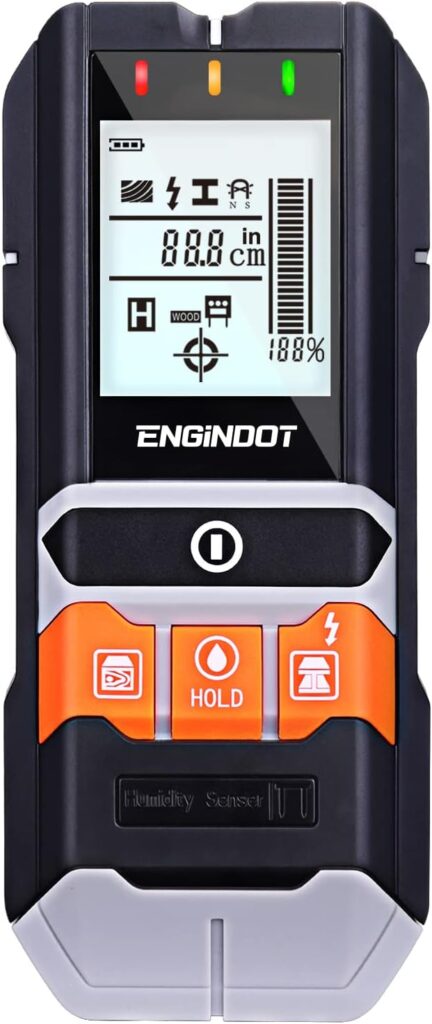
This model stands out for how much it does at an accessible level. It detects studs, joist, AC wires, and metal in four different scanning modes. You can switch between modes depending on what your wall contains and what you are trying to avoid. The LCD screen is bright and readable and the tool alerts you through both sound and light. It also stores calibration data so it picks up where it left off when you switch it back on.
A versatile everyday stud finder that punches above its weight.
Tips for Getting Accurate Readings Every Time
- Always calibrate your stud finder against a section of wall you know is stud-free before you begin scanning.
- Move slowly and steadily across the wall. Fast passes cause missed detections.
- Mark both edges of the stud and drill in the center for the strongest hold.
- If your stud finder gives inconsistent results, check the battery first. Low power causes false readings more often than a faulty tool.
- For plaster walls, try the magnetic method alongside your electronic stud finder to cross-check results.
Which Stud Finder Should You Buy
If you want the most reliable detection and can invest in a quality tool, the Franklin Sensors ProSensor 710 is the best overall pick. For multi-material walls or professional use, the Bosch GMS120 is unmatched.If you want solid performance without stretching your budget, the CRAFTSMAN CMHT77633 delivers great value. The TACKLIFE DMS05A is a strong all-rounder for homeowners tackling a variety of projects. And no toolkit is complete without the Zircon m40 as your backup for tricky surfaces.
A good stud finder is one of those tools that pays for itself the first time it saves you from a costly wall repair. Pick the right one and every future project becomes faster, cleaner, and more confident.
Also Read On:
Best Hand Saws for Cutting Wood: Top Picks