How to Read a Tape Measure.
Reading a tape measure is one of the most practical skills you can have in your toolkit. Whether you are hanging shelves, cutting lumber, or measuring a room, knowing how to read those tiny markings accurately saves you time and prevents costly mistakes.
This guide walks you through everything you need to know, step by step.
We independently evaluate all of our recommendations. If you click on links we provide, we may receive compensation.
Table of Contents
Know the Parts of Your Tape Measure
Read Feet and Inches Together
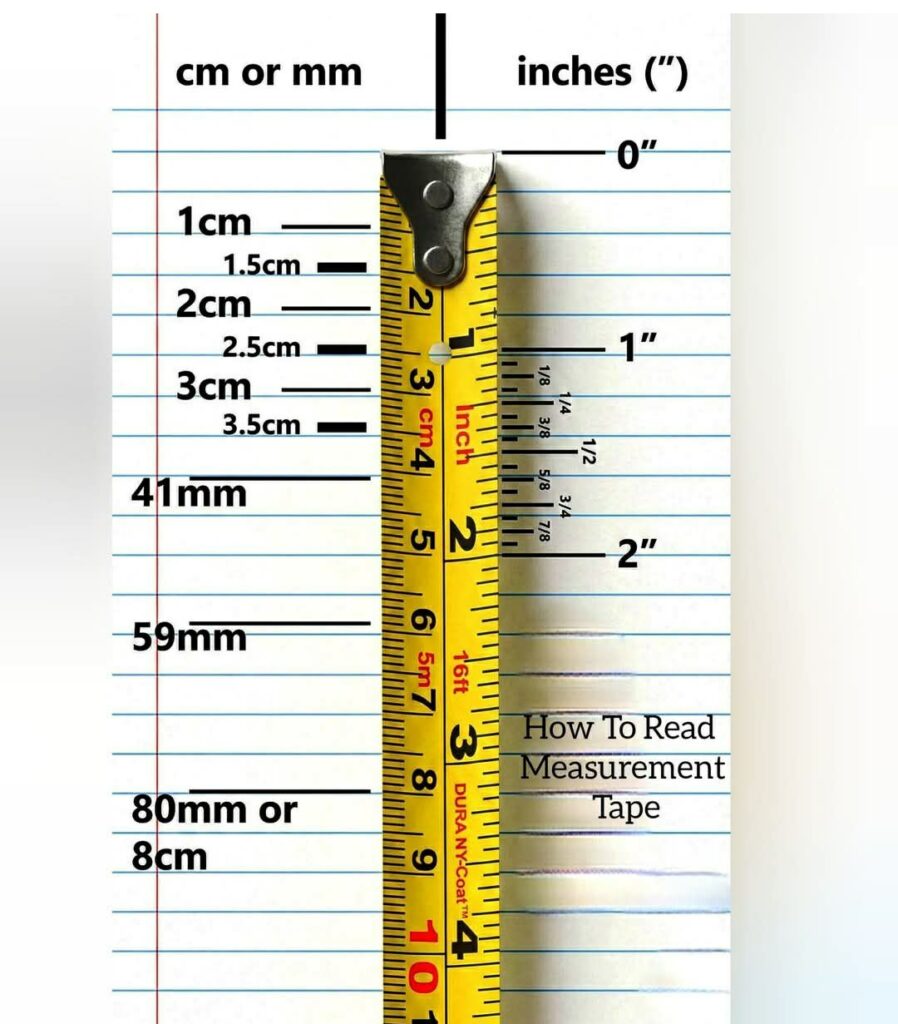
On longer tape measures, you will notice large numbers that indicate feet. These are usually printed in a different color, often red, to make them easy to spot. When a measurement falls at 3 feet and 7 inches, you write it as 3 feet 7 inches, or in shorthand 3’7″.
Some tapes also print the total inch count as a small number below the foot marking. For instance, at the 3 foot mark, you might see the number 36 printed small, indicating 36 total inches. This dual labeling makes it easier to work in either feet or total inches without converting mentally.
Read Metric Measurements
If your tape measure shows metric markings, the units are millimeters and centimeters. The smallest lines are millimeters, and every 10 millimeters equals one centimeter. The centimeter marks are longer and labeled with numbers.
To read a metric measurement, you count the full centimeters and then add the remaining millimeters. A reading of 4 centimeters and 7 millimeters is written as 47 mm or 4.7 cm. Many tape measures show both imperial and metric markings, with one system on each edge of the blade.
Tips for Accurate Measurements
Accurate measuring comes down to a few simple habits:
- Keep the tape straight and flat against the surface you are measuring
- Make sure the hook is fully engaged on the edge before reading
- Read the measurement straight on, not at an angle, to avoid parallax errors
- Use the lock button to hold your measurement while you mark
- Double check by measuring twice before you cut
For projects that require extra precision, look for a tape measure with clearly printed markings and a wide blade that stays rigid when extended. A sturdy blade reduces flex and makes solo measuring much easier.
Choose the Right Tape Measure for the Job
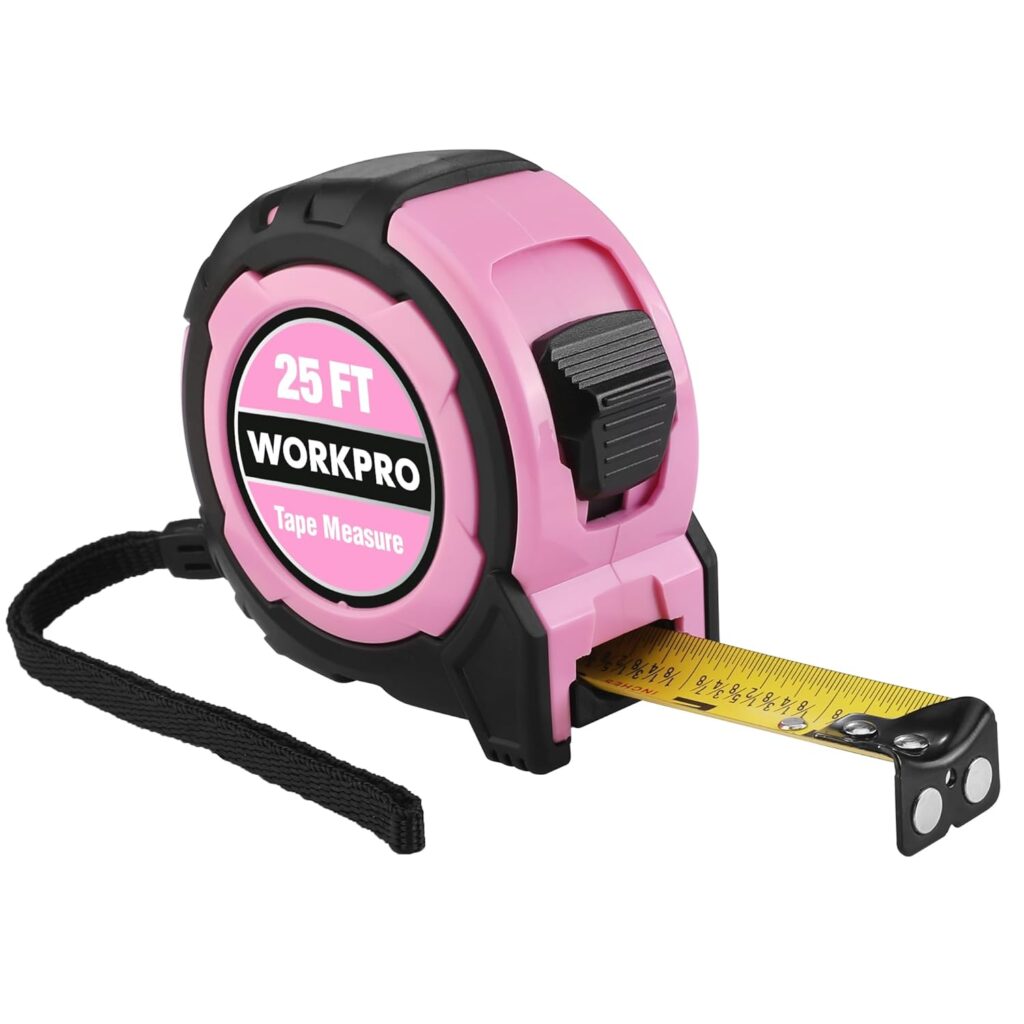
Not all tape measures are built the same. For general home use, a 25 foot tape with both imperial and metric markings works well for most tasks. For professional or heavy use, look for reinforced blades and durable cases. You can explore top rated options on Amazon to find a model that fits your specific needs and work style.
Final Thoughts
Once you understand the markings and practice reading them a few times, a tape measure becomes second nature. Start with simple measurements around your home, and within a short time you will be reading fractions and feet confidently on any project.
Accurate measuring is the foundation of good workmanship, and this one skill will serve you well across woodworking, home improvement, and everyday tasks.
Also Read On:
Best Pocket Hole Jigs: Kreg vs Competitors Reviewed