Best Nail Guns for Framing
Framing work demands a nail gun that can keep up with the pace of the job. Whether you are building stud walls, constructing roof trusses, or putting together floor decking, you need a tool that drives nails with enough force to hold structural timber securely, every single time.
A good framing nailer cuts your fastening time dramatically compared to hand nailing and reduces fatigue on large builds.
This guide covers five of the best nail guns for framing available today, followed by a buying guide to help you choose the right one for your specific work.
Affiliate Disclosure: This post contains affiliate links. If you purchase through our links, we may earn a small commission at no extra cost to you.
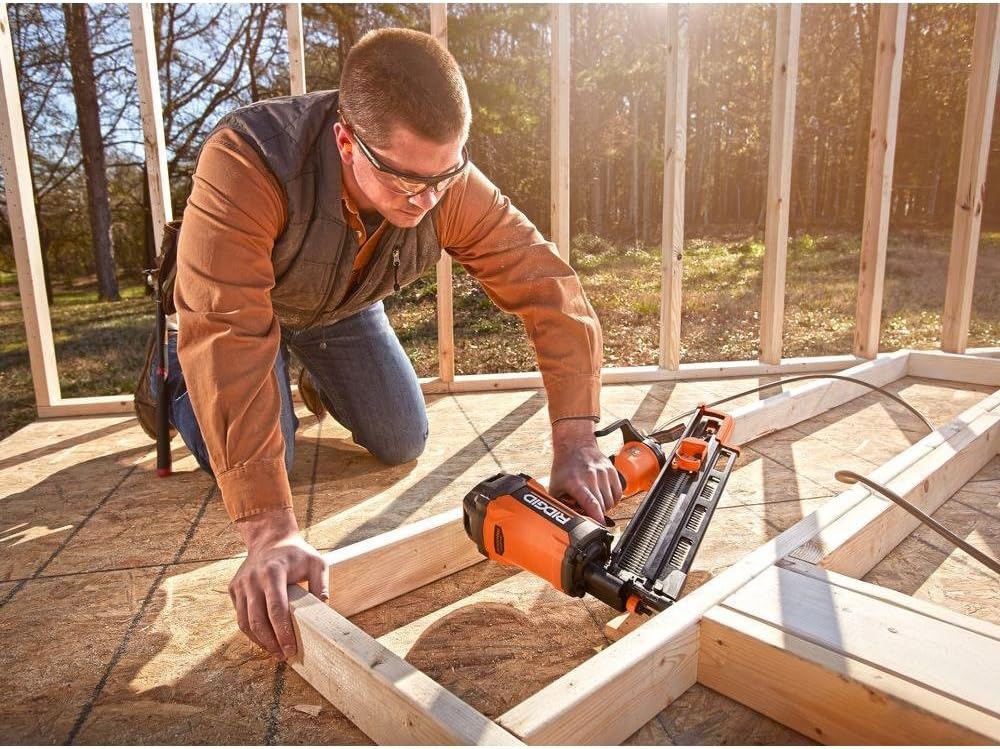
Table of Contents
Top 5 Framing Nail Guns Reviewed
1. Bostitch F21PL Round Head Framing Nailer
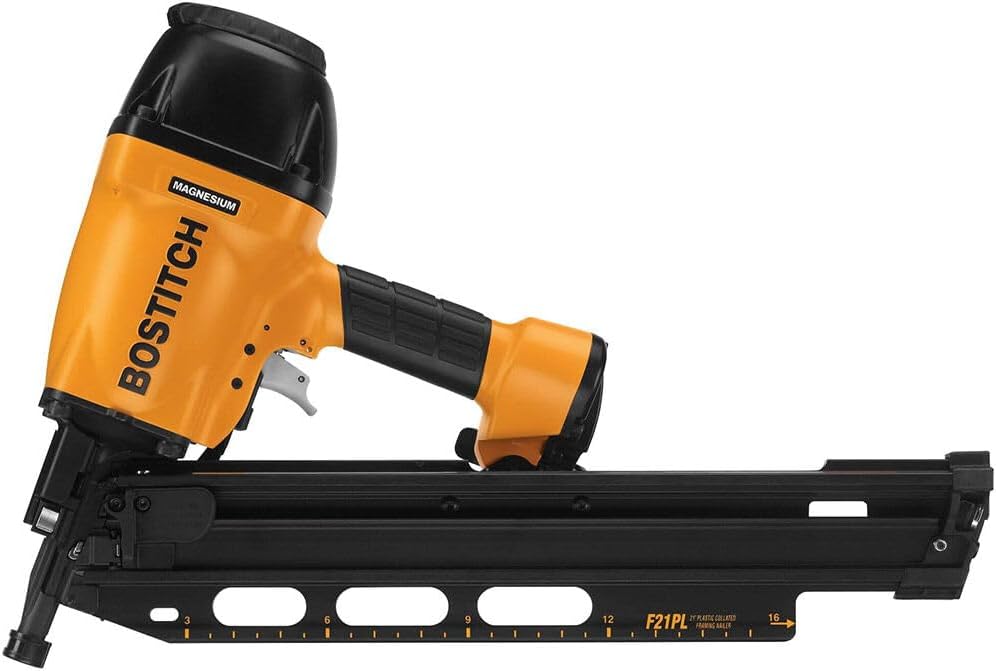
The Bostitch F21PL is a powerhouse framing nailer built for heavy structural work. It drives both wire weld and plastic collated nails, giving you flexibility on the job site without needing to switch tools.
The adjustable depth of drive lets you control how far each nail sinks into the timber, which matters when you are working across different wood densities. A metal rafter hook keeps the tool within easy reach when you need both hands free, and the 21 degree magazine angle helps you drive nails in tight spaces between joists and studs.
2. DeWalt DCN692M1 20V Cordless Framing Nailer
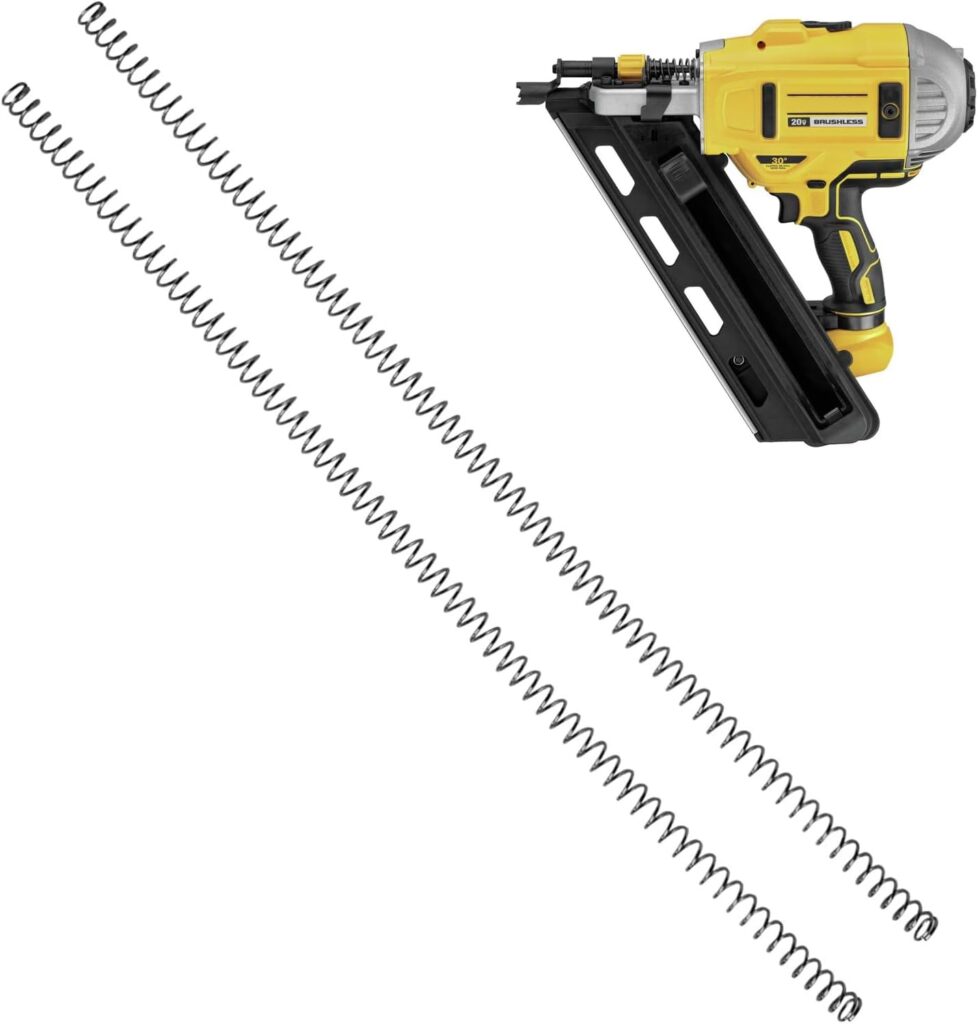
If you work on sites where running an air compressor is impractical, the DeWalt DCN692M1 is one of the best cordless framing nailers you can choose. It uses a brushless motor and a dual-speed power setting so you can match the driving force to the material you are fastening.
The tool fires up to 30 nails per minute and the battery delivers enough capacity for a full day of moderate framing work. No hose, no compressor, and no delay while pressure builds. For remote builds or renovations in occupied spaces, this is a significant practical advantage.
3. Paslode 501000 Cordless XP Framing Nailer
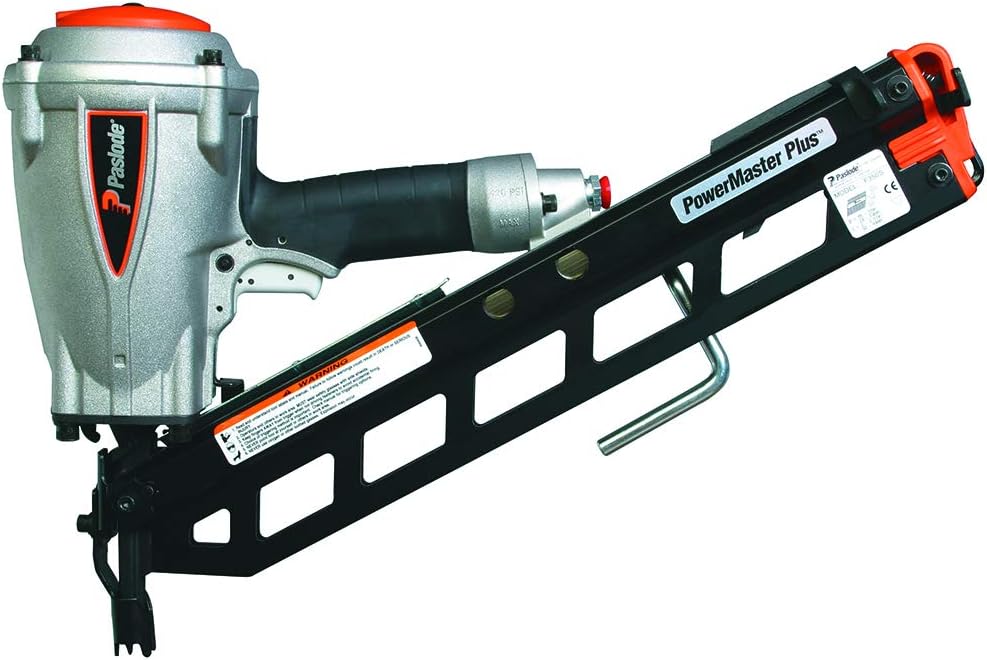
The Paslode 501000 runs on a fuel cell and battery combination rather than a compressor or mains power, making it one of the most portable framing nailers on the market.
It accepts full round head nails in a 30 to 34 degree paper tape collation, which is the format preferred on many framing job sites. The tool is lightweight for its class, which reduces arm fatigue during long days overhead or on a ladder. Paslode has a long track record in the framing industry and this model reflects that experience in its reliability and consistent nail placement.
4. Ridgid R350RHF Round Head Framing Nailer
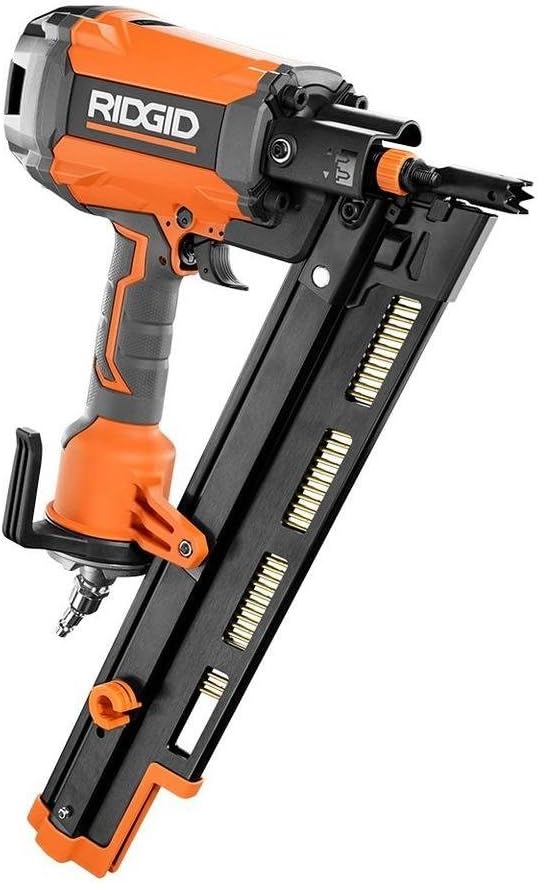
The Ridgid R350RHF is an excellent entry point for DIYers and first-time builders who want a dependable pneumatic framing nailer without the complexity of premium models. It handles standard 2 to 3.5 inch framing nails and includes a tool-free depth adjustment for quick changes between different nail lengths and timber types.
The no-mar tip protects the surface of your workpiece when precision placement is needed. Ridgid backs this tool with a lifetime service agreement, which makes it an especially strong value choice for anyone building out a home workshop or tackling occasional framing projects.
Framing Nail Gun Buying Guide
Pneumatic vs Cordless vs Gas Powered
Pneumatic nailers are the most common choice on professional job sites because they are lightweight, powerful, and consistent. They require an air compressor, which can be a limitation in remote locations.
Cordless battery nailers offer full mobility and are improving rapidly in power output. Gas powered models like the Paslode give you portability without sacrificing nail penetration, though fuel cells add an ongoing running cost.
Nail Angle and Collation
Framing nailers typically come in 21 degree plastic collation or 30 to 34 degree paper tape collation. The angle affects how easily you can reach into tight corners.
Check what collation type is most available in your local hardware store before committing to a nailer, as sourcing the right nails is part of the long-term cost.
Sequential vs Contact Firing
Sequential firing requires you to press the nose tip and pull the trigger separately for each nail, making it safer and more controlled. Contact firing lets you hold the trigger and bounce the nose tip along the timber to drive nails rapidly. Most quality framing nailers offer both modes so you can switch depending on the task.
Depth of Drive Adjustment
Look for a tool-free depth of drive adjustment. This feature lets you flush drive nails or sink them slightly below the surface depending on the application. It is especially useful when moving between softwood and hardwood framing members on the same project.
The Right Nailer Makes Every Build Faster
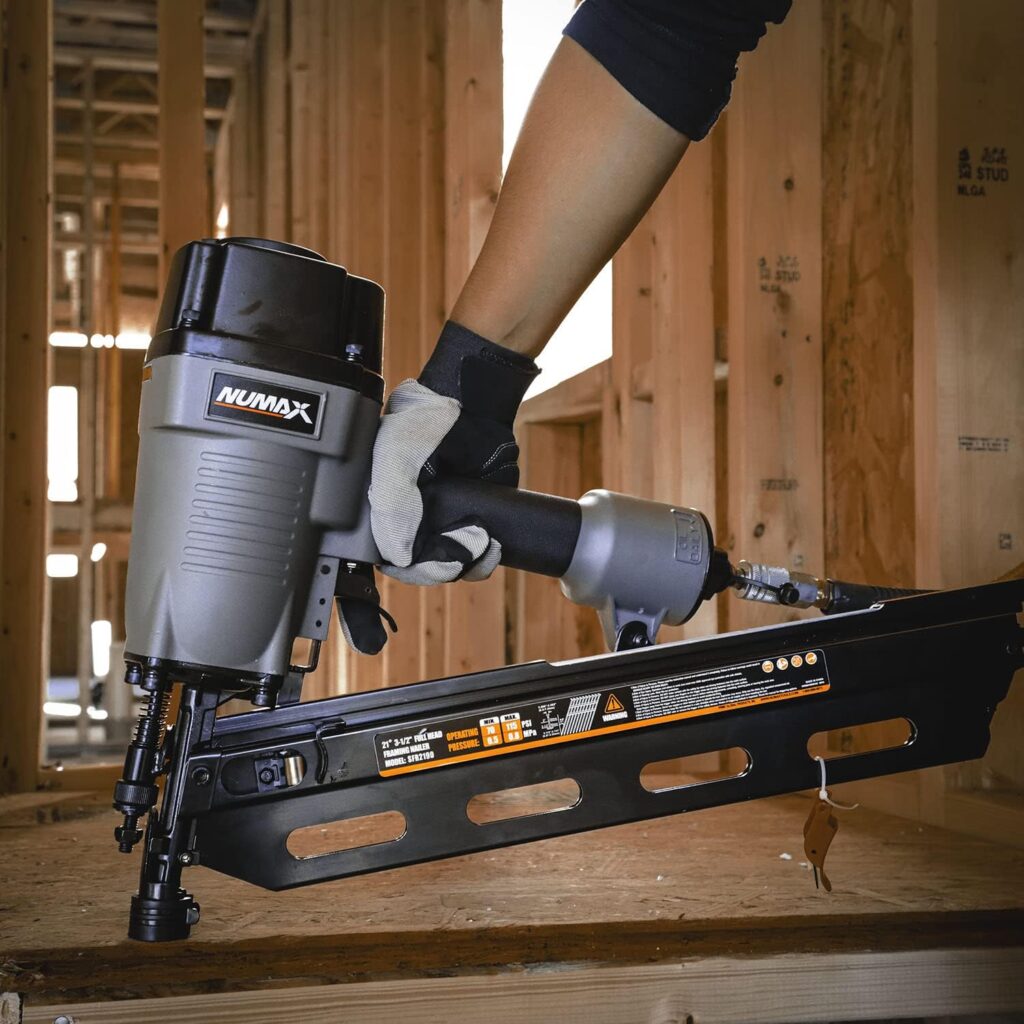
The best framing nail gun for you depends on how often you build, whether you have access to a compressor, and the scale of your projects. The Bostitch F21PL is a strong choice for regular site use.
The DeWalt DCN692M1 and Paslode 501000 suit anyone who needs full mobility without a compressor. And the Ridgid R350RHF gives DIYers a reliable, no-fuss entry into pneumatic framing.
Whichever you choose, your framing work will go faster, hit harder, and hold stronger than anything you could achieve by hand.
Also Read On: