Makita vs DeWalt.
If you have ever stood in a tool aisle trying to choose between Makita and DeWalt, you are not alone. Both brands dominate the professional power tool market and have loyal followings built over decades. But which one actually deserves a spot in your toolbox?
In this comparison, we break down both brands across the categories that matter most to working professionals and serious DIYers: build quality, battery performance, tool range, value for money, and more. By the end, you will have a clear picture of which brand fits your needs.
Table of Contents
Brand Overview
Makita
Founded in 1915 in Japan, Makita has over a century of manufacturing experience behind every tool it produces. The brand is particularly dominant in professional trades such as carpentry, plumbing, and electrical work. Makita is known for its precision engineering, lightweight designs, and one of the largest cordless tool ecosystems in the world.
Its flagship battery platform, the 18V LXT, is compatible with over 300 tools, making it the go to choice for pros who want flexibility across an entire battery family. Makita also offers the newer 40V Max XGT platform for heavy duty applications.
DeWalt
DeWalt was established in 1923 in the United States and has become a household name in construction and contracting. The brand is especially popular with American contractors and is widely recognized for its rugged yellow and black design. DeWalt tools are built to take punishment on the job site day after day.
DeWalt runs on the 20V MAX platform for standard tools and the 60V FLEXVOLT system for demanding applications. FLEXVOLT batteries are a standout feature because they automatically switch voltage depending on which tool you plug them into, giving you both compatibility and raw power in one battery.
Quick Comparison at a Glance
| Category | Makita | DeWalt |
| Battery Platform | 18V LXT / 40V XGT | 20V MAX / 60V FLEXVOLT |
| Battery Compatibility | Excellent (backward compat) | Good (same platform) |
| Build Quality | Outstanding | Excellent |
| Price Range | Mid to Premium | Mid to Premium |
| Best For | Pros and heavy trades | Contractors and DIYers |
| Warranty (Tools) | 3 Years | 3 Years |
| Country of Origin | Japan / Global | USA / Global |
| Tool Selection | Very Large | Very Large |
1. Build Quality and Durability
Both brands produce tools that are built to last, but there are some meaningful differences in how they approach durability.
Makita
Makita tools are engineered with tight tolerances and are often praised for their smooth, vibration free operation. Many tradespeople note that Makita tools feel exceptionally well balanced, which reduces fatigue during extended use. The brand uses high quality internal components and motors that are designed to run cool and last longer.
- Brushless motors available across most of the LXT range
- Excellent dust and water resistance on many models
- Lightweight builds without sacrificing rigidity
DeWalt
DeWalt tools are built for the kind of abuse that happens on busy construction sites. The housing on most DeWalt tools is thick and reinforced, and the brand is well known for tools surviving drops, dust, and rough handling. If your work environment is particularly harsh, DeWalt has an edge in raw toughness.
- Heavy duty housing and reinforced components
- Strong rubber over molds for better grip and impact protection
- XR brushless line offers extended motor life
Winner: Tie | Makita wins on precision and comfort. DeWalt wins on raw toughness.
2. Battery Platform and Compatibility
The battery ecosystem is one of the most important factors when committing to a brand. Switching is expensive, so getting this right matters.
Makita 18V LXT
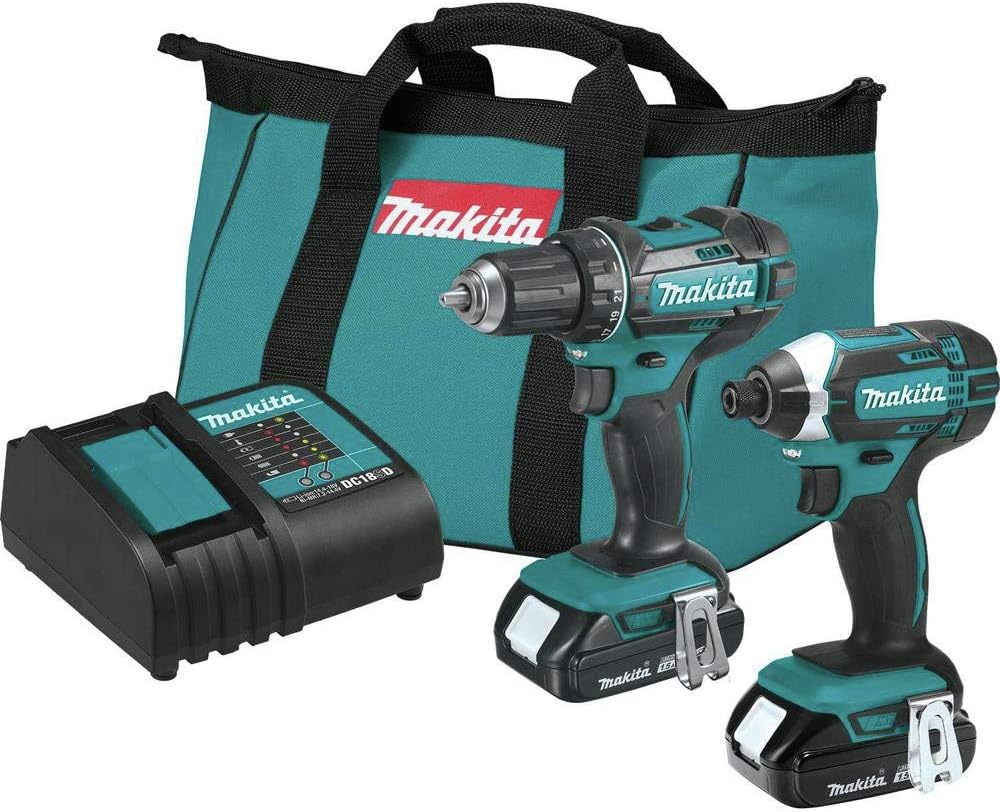
Makita’s 18V LXT platform is one of the largest battery ecosystems in the world. If you buy into LXT, you get access to over 300 compatible tools including drills, saws, grinders, vacuums, lighting, fans, and even outdoor equipment. Older LXT batteries are also compatible with newer tools, which protects your investment over time.
DeWalt 20V MAX and FLEXVOLT
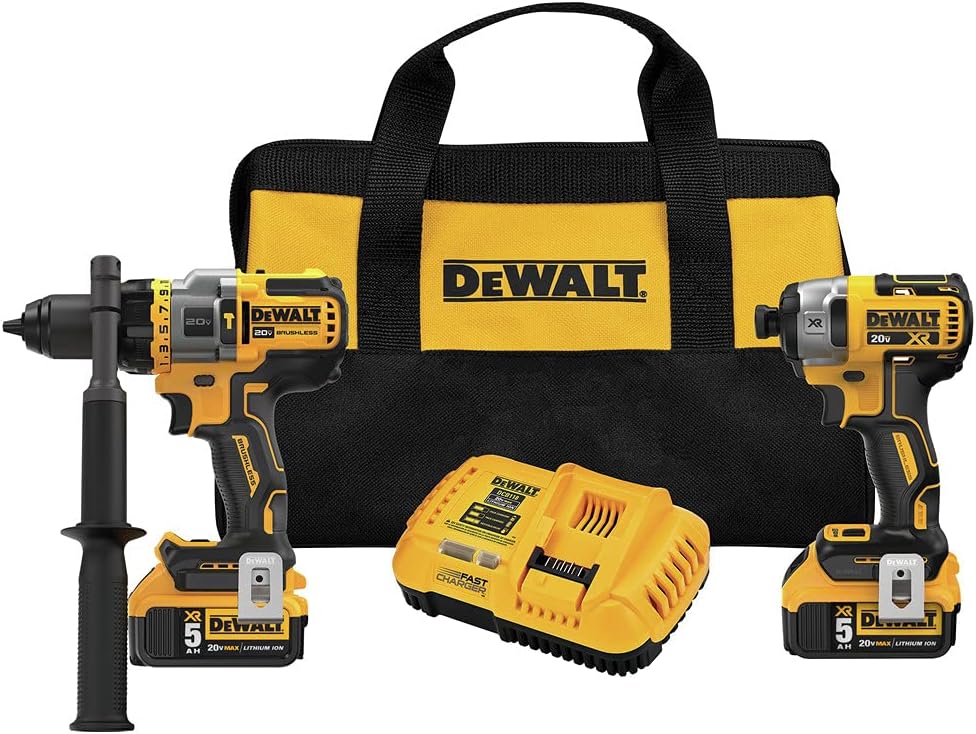
DeWalt’s 20V MAX platform covers the vast majority of its cordless lineup and offers excellent compatibility within the family. The FLEXVOLT system is a genuine innovation, letting one battery power both 20V and 60V tools depending on what you connect it to. This is particularly useful for contractors who need to run high power tools like circular saws and miter saws without managing a separate battery platform.
Winner: Makita | Largest battery ecosystem with backward compatibility across 300 plus tools.
3. Price and Value for Money
When comparing similar category tools, Makita and DeWalt are generally priced close to each other in the mid to premium range. The real value question comes down to what you get per dollar spent.
Makita Pricing
Makita tools tend to be priced competitively across the board, and the brand offers excellent combo kits that bundle tools and batteries at strong value. If you are building out a full tool collection on one platform, Makita kits often deliver more tools per dollar compared to DeWalt.
DeWalt Pricing
DeWalt is typically priced similarly to Makita for standalone tools, but where it stands out is availability. DeWalt tools are stocked at nearly every major home improvement retailer, making replacement and accessory purchasing more convenient. DeWalt also runs frequent promotions and bundle deals especially at big box stores.
Winner: Makita | Slightly better kit value. DeWalt wins on retail availability and convenience.
4. Tool Range and Selection
Having a wide tool selection matters when you want to consolidate your battery platform across your entire workshop or job site.
Both brands offer an enormous catalog covering drills, impact drivers, circular saws, reciprocating saws, jigsaws, angle grinders, multi tools, oscillating tools, routers, planers, nailers, vacuums, and more. Where Makita pulls ahead is in niche tools and specialty items. Makita makes cordless handsaws, cordless chainsaws, cordless concrete vibrators, and even cordless UV lamps that are hard to find in other brands.
DeWalt on the other hand has a stronger presence in pneumatic nailers and framing tools, which is why it remains a favorite among framers and finish carpenters.
Winner: Makita | Largest overall catalog with the most specialty and trade specific cordless tools.
5. Who Should Buy Which Brand?
Choose Makita if you…
- Work in trades that demand precision such as finish carpentry, woodworking, or electrical
- Want the largest battery ecosystem and maximum tool variety
- Prefer lighter tools for all day use without fatigue
- Are building a large cordless collection and want backward compatibility
Choose DeWalt if you…
- Work on heavy construction sites where tools take a beating
- Want the FLEXVOLT battery system for powerful cordless performance
- Need tools that are widely available at local retailers
- Are a contractor or framer who relies heavily on pneumatic and cordless nailers
Final Verdict: Makita vs DeWalt
Both Makita and DeWalt are world class brands that will serve you well in professional and DIY settings. The right choice depends entirely on your work environment and priorities.
If you value precision, a massive tool ecosystem, lightweight ergonomics, and long term battery investment, Makita is the stronger pick. If you work on tough construction sites, prefer rugged durability, or need the convenience of FLEXVOLT’s multi voltage battery, DeWalt delivers.
The good news is that you really cannot go wrong with either brand. Both carry a 3 year warranty, both have strong dealer and service networks, and both have earned their reputations through decades of reliable performance on job sites around the world.